It鈥檚 a packed hall of about a thousand people, and an M.C. is speaking in an accent that he probably acquired off binging American shows. One side of the Hall is a streak of turquoise blue Gele and caps, the other end is Burgundy.
The MC鈥檚 jokes aren鈥檛 as funny as they were 30 minutes ago, and it鈥檚 not because he鈥檚 run out of good ones.
It鈥檚 the guests who have run out of patience.
An aroma is sifting through the hall, but no waiters come bearing good news. People are putting their hand fans to work, even though the air-conditioning is doing a decent job.
And in a seemingly random moment when the MC hands over what is left of the audience鈥檚 attention to the live band, the waiters start rolling in.
Huge trays holding fistfuls of beef, coleslaw, and mede-mede. All of them, sitting pretty on small heaps of Jollof Rice in plates.
The party has now began proper, the music will sound better, guests will aww more, because Jollof Rice is libation to Enjoyment.
But this is not where the Jollof Story begins鈥攜ou鈥檇 have to travel westward, out of Nigeria, to a small Island off the Coast of Senegal, St. Louis.
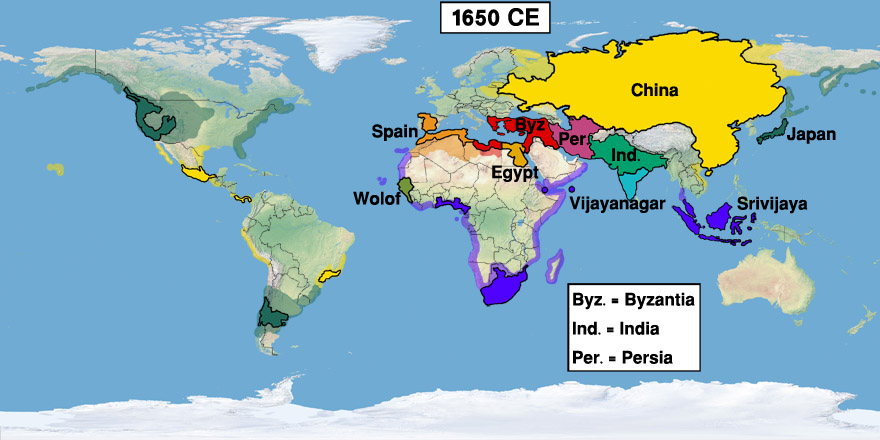
Djolof a.k.a. Wolof Empire
West Africans disagree on many things about Jollof鈥攅specially on who has the best鈥攂ut on the origin of Jollof Rice, there is no debate.
The Wolof Empire was a West African State that ruled over Senegal and Gambia sometime between the 1350s and 1540s. A 1549 Battle of Danki鈥攚hich had nothing to do with rice鈥攍ed the four vassal states of the Wolof Empire to become mostly independent.
And so, Djolof鈥攚hich used to be the old metropolitan capital of the Empire鈥攂ecame a kingdom by itself.
鈥淕ive me a pot and I鈥檒l cook up a storm.鈥� – Penda Mbaye (Not exactly her words, but they’ll suffice.)
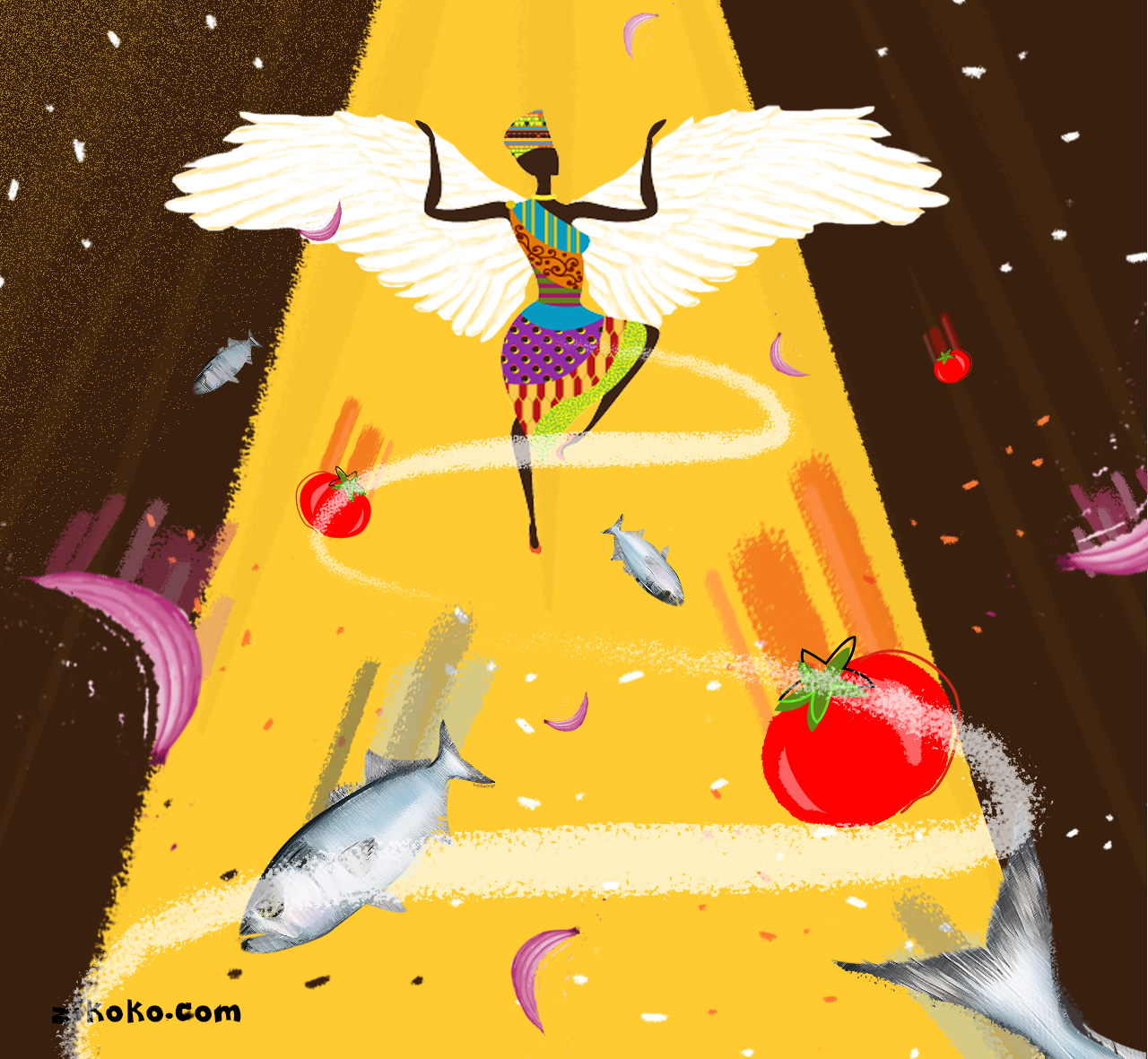
Fast forward to the 1800s, there lived a chef, cooking meals at ceremonies, experimenting as she went. Penda Mbaye wasn鈥檛 exactly a Jollof woman. In fact, she鈥檚 believed to have come from Walo, another one of the four vassal states from the old Wolof Empire. As White People came into West Africa with their colonialism, they also brought a wide variety of food from their travels, mainly from South America. They came with food like cassava, pineapples, and even tomatoes.
For Penda Mbaye, fresh food meant fresh opportunities to experiment. One recipe led to another and Penda landed a job as Chef at the Colonial Governor鈥檚 Residence in St. Louis.
One meal had a reputation in the governor鈥檚 residence; it was a one-pot combo of barley, fish and vegetables cooked together.
A barley shortage came around the time that Asian rice was landing on Senegal鈥檚 shores, and in typical Penda fashion, she substituted rice for barley. The magic is created, Penda called it Thi茅boudienne (Cheb-oo-jen).
And so, Jollof Rice as we know it was born. It went on to become Senegal鈥檚 pride.
Senegal to West Africa
There鈥檚 another theory about Jollof鈥檚 origins. According to Mamadou Diouf, a Professor of African History at Columbia University, Jollof Rice is military.
Look at it this way. You鈥檙e a Colonial Officer, how do you feed a large Senegalese Colonial Army? You get rice, tomatoes, fish or meat, and throw all of it into a big pot.
According to this theory, it鈥檚 probably how Jollof travelled across West Africa, militarily, as colonial forces found effective ways to feed their soldiers, especially around the World Wars.
What is certain of course, is that Jollof Rice diffused across West Africa, just like everything else diffused; fashion like the Senegal fabric or music. It could also have been the Djula people, a tribe of merchants who travelled across West Africa, selling goods, and leaving bits of their culture everywhere they went.
There are few accounts of its footprint in Nigeria, the oldest that we know of being in the Kudeti Book Of Yoruba Cookery, first published in 1934.
鈥淚 suspect the original recipe for Jollof was in there,鈥� Ozoz 鈥樎燬okoh says. Ozoz is a 聽and she has a 1947 鈥淭he Ibo Cookery Book鈥� to back this original recipe theory up.聽In fact, the recipe from this book included 鈥淐abbage or Spinach (tete)鈥� as an ingredient. It also used to be spelt 鈥楯olloff鈥�.
鈥淚t references the Kudeti The Kudeti Book of Yoruba Cookery in its forward,鈥� she says. 鈥淚 don鈥檛 have that (1934) edition, but I do have a 2002 repackaged edition that can still be purchased at the 鈥�
Jollof Rice evokes a different nostalgia for the generation at the heels of this book. Take Maimuna Atta-Ahmed, who was a teenager at the dawn of an Independent Nigeria.
鈥淲hen I lived in Kano, there used to be canned Jollof Rice,鈥� the septuagenarian says. 鈥淎nd it was made in Kano. In the 60s, Kano had everything you can imagine. There were the groundnut pyramids, there were textile and hide industries. The canned Jollof Rice was popular.鈥�
But even as Jollof Rice had a reputation, it wasn鈥檛 exactly a party choice.
鈥淛ollof Rice wasn鈥檛 at parties when I was young,鈥� Sherifat Hassan, a 51-year old caterer in Abuja says. 鈥淲hat was common was Pounded Yam, Amala and all that.鈥�
Imagine this;
You鈥檙e planning a wedding party in the 60s. It鈥檚 not a big ceremony, so you鈥檙e expecting 200-300 people. 鈥淟et鈥檚 cook rice,鈥� someone suggests. You think about it for a moment and know it鈥檚 never going to happen. Not rice.
The problem that stood in the way of people and their Party Jollof was stones.
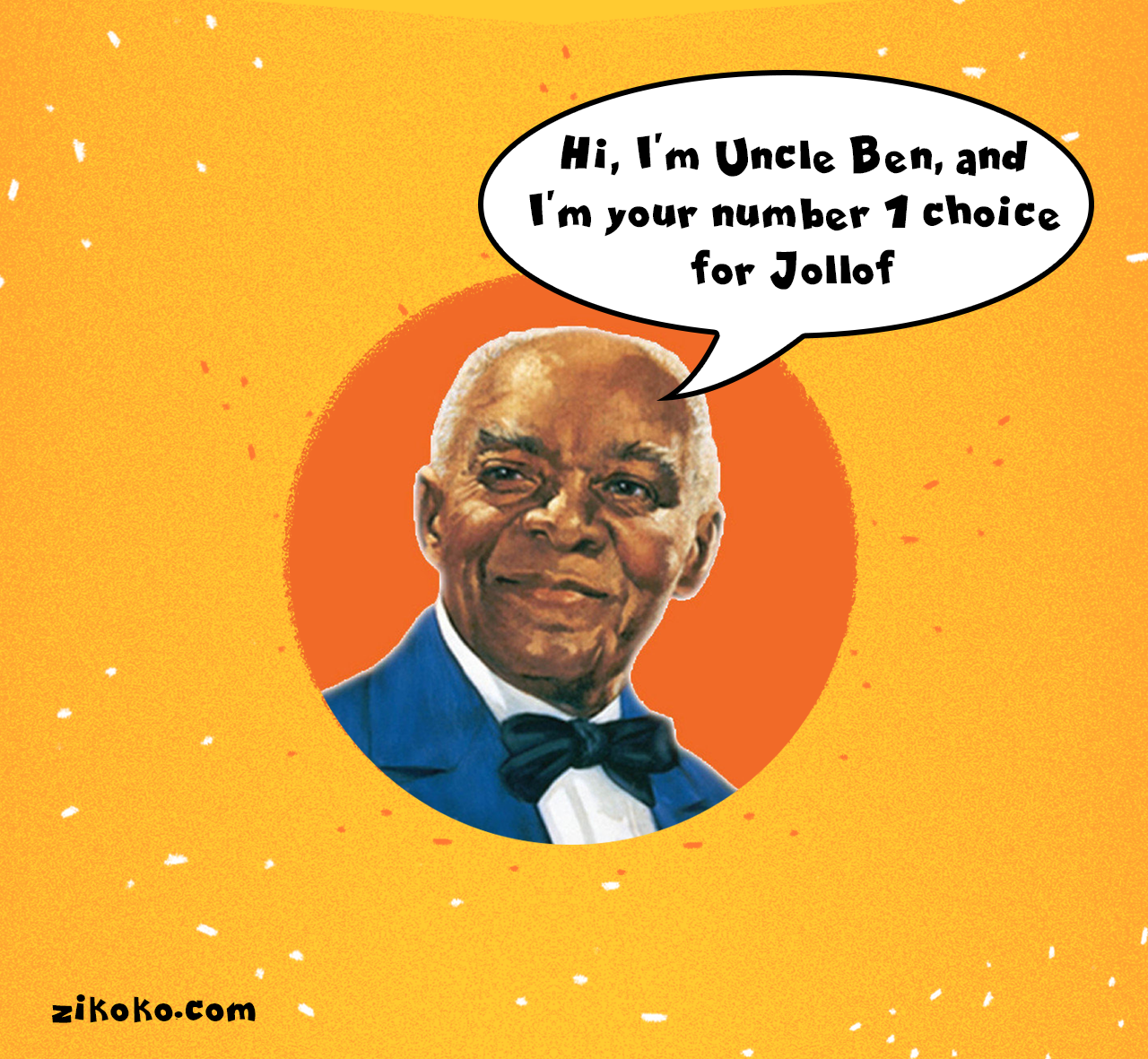
鈥淚n those days,鈥� Sherifat explains, 鈥渢he rice had stones. Even some local rice these days still have stones. The only rice that didn鈥檛 have stones were Uncle Ben鈥檚 and Aunt Caroline Rice.鈥� But the price of Uncle Ben鈥檚 mostly kept Jollof Rice in family kitchens, and on special events like Sunday afternoons and festival menus.
By the late 60s and early 70s, oil had become more attractive for the Nigerian government, and agriculture was taking a backseat. One consequence of this, besides the disappearance of the industries and groundnut pyramids, was higher importation. In fact, the share of rice in the Nigerian diet went from 1% in 1960 to 7% in 1980, and that rise is mostly because we imported more.
The Asian Flood
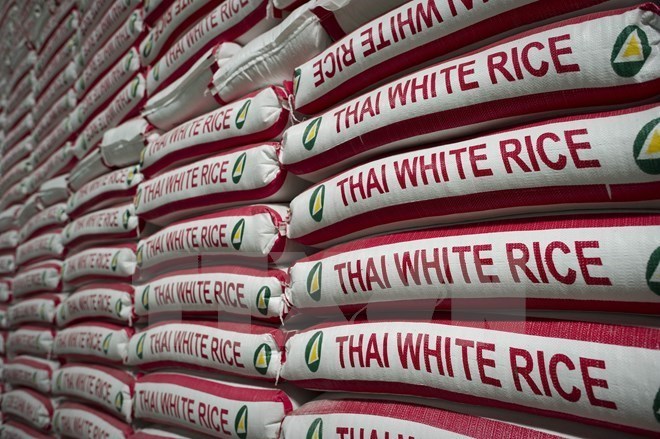
Uncle Ben鈥檚 was a luxury choice and especially sold in retail quantities. Asian rice, on the other hand was cheaper, especially since there was a drop in imported rice tariffs in the mid-70s.
And with cheaper and stoneless rice, came Party Jollof.
Since Asian rice came into our lives, it has never left. As long as it powered our Jollof Rice, we chose it above all else, even at the expense of local rice.
Soft Jollof. Soft Power.
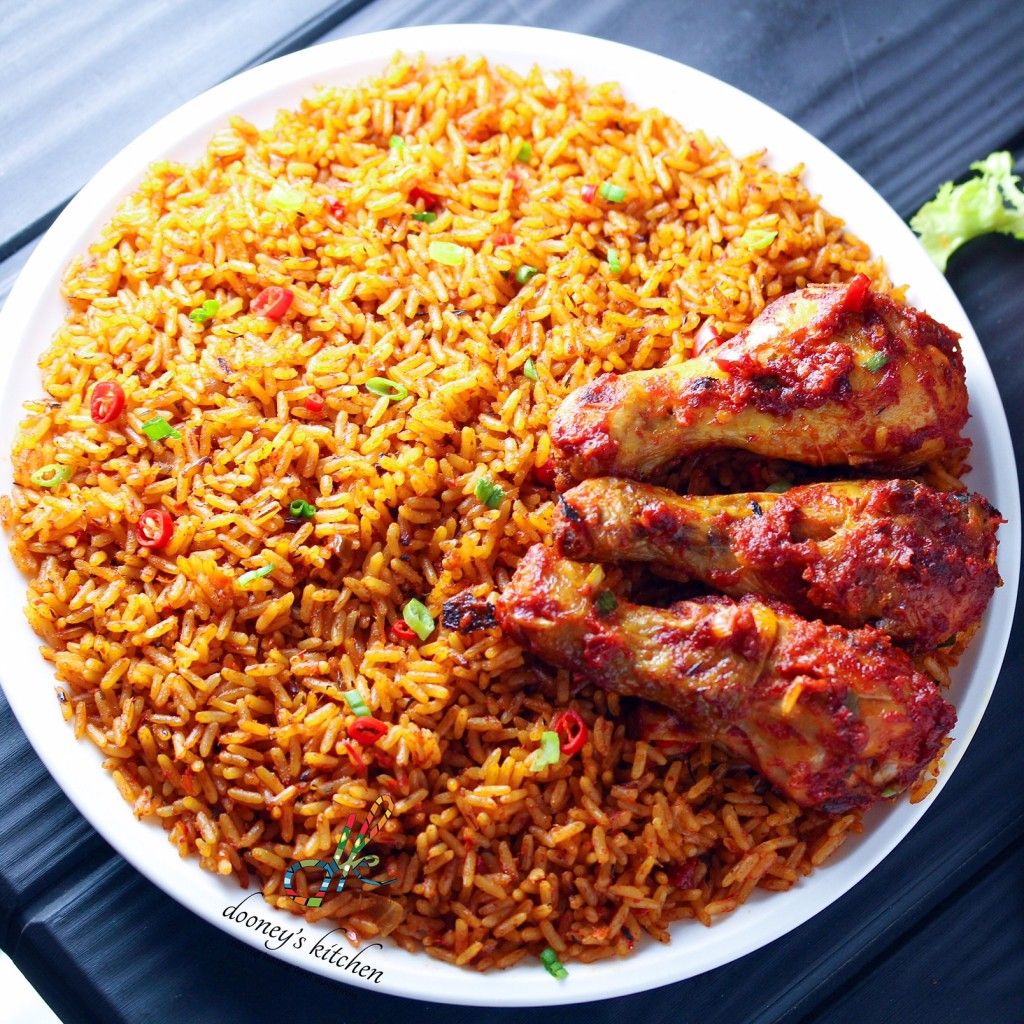
You鈥檙e a Nigerian or Ghanaian, living or studying in the West, most likely the U.S. or U.K. You have a small get-together with your friends, some of them are White. You offer them Jollof Rice.
They try the first spoon, and their mouths are on fire. The heat is nothing like they鈥檝e ever tasted, and by the time they鈥檝e gotten used to it, they love it. This is most likely how modern Westerners first experienced Jollof Rice, although their ancestors already tried it from the ones their slaves made.
The world might be a harsh and cold place, but it still deserves good things, and so Jollof Rice has been gifted to the world, just as West Africa has gifted it Afrobeat.
Jollof Rice on Twenty-twos
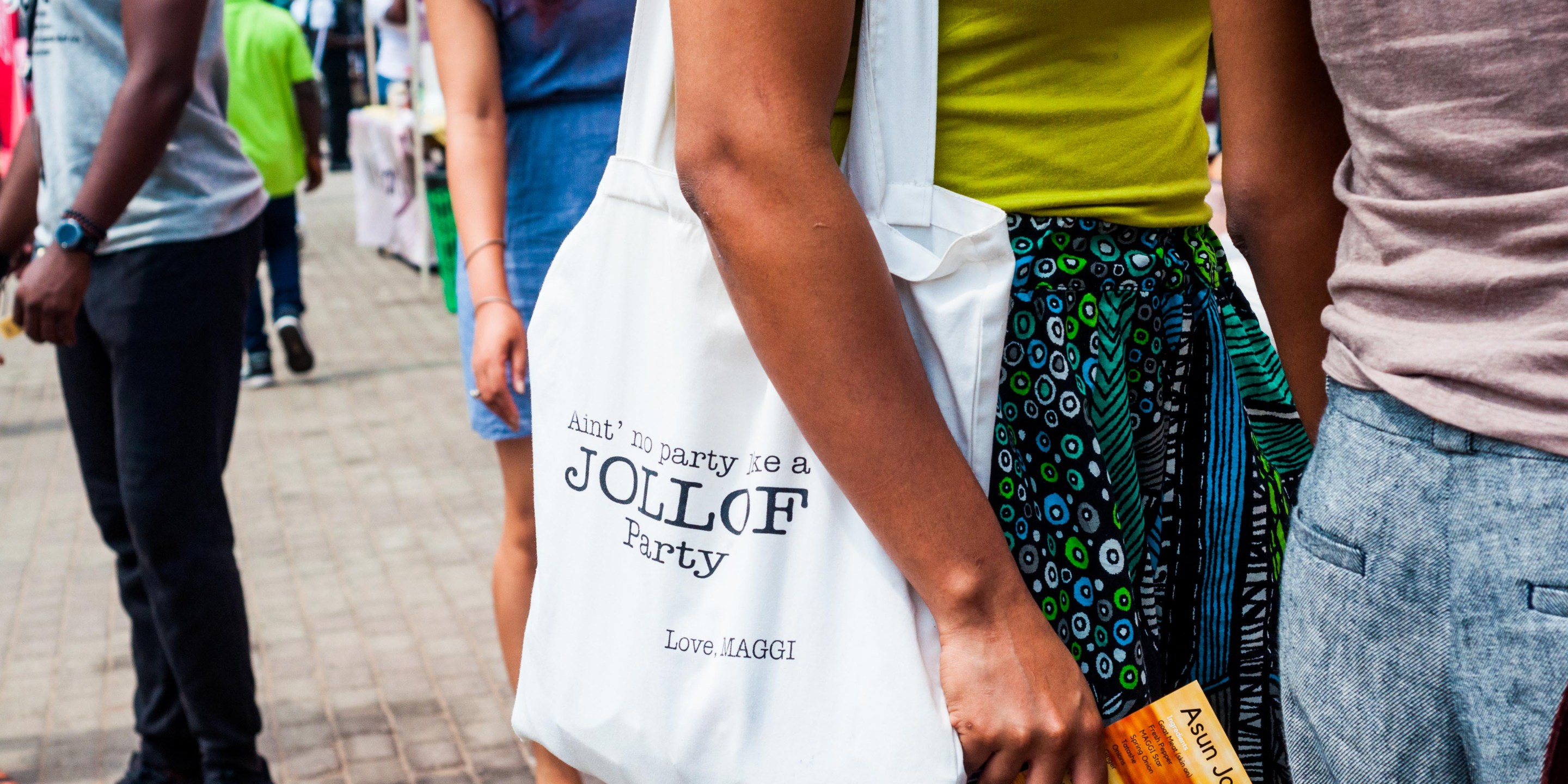
When something is a big deal, you pick a date and throw a party for it every year. But how did the 22nd of August every year become the date?
鈥淚n 2015, I woke up to see the date set on social media,鈥� Ozoz says. 鈥淚 had no idea who created it. We just stuck with it.鈥�
It turns out there was an origin, and Ozoz found it. Or them.
In 2015, Queen 鈥溾�� thought it鈥檇 be a great idea to pick the 3rd Saturday of August as a good day to celebrate Jollof Rice. That day was the 22nd.
Her friend WestAfrikanman loved the idea, and so it stuck.
And even though they didn鈥檛 have a permanent date in mind, brands like Etisalat and Maggi jumping on it made August 22 stick.
Despite how removed Queen felt from the date being the permanent choice at first, she says;
鈥淚鈥檓 so glad I was able to create a special day for my darling Jollof!鈥�
And so August 22 has become the day we gather around the pot and celebrate Jollof.
Nigeria鈥檚 culinary map is diverse, with Tuwo as Warden in the North, Starch making its strongest mark in the South-south, Akpu in the Southeast, and Amala the rockstar of the Southwest. But when we gather round to sit at a table as one people, it will be Jollof Rice making the rounds. Because Jollof Rice is libation to Enjoyment.

Jollof is forever.