Students of the University of Lagos (UNILAG) received a rude awakening when, on July 21, the school announced that it had 鈥渞eviewed obligatory fees鈥� upwards. The mandatory charges are coming in light of were 鈥減revailing economic realities and the need for the University to be able to meet its obligations to its students, staff, and municipal service providers, among others.鈥�
The school said it consulted with stakeholders, including students and their guardians, before making this decision. Interestingly, UNILAG describes itself as 鈥渢he school of first choice and the nation鈥檚 pride.鈥� However, with the increment set to happen at the beginning of the 2023/2024 academic session, students may have to rethink whether they鈥檇 still stick with UNILAG as their first choice.
Here鈥檚 what fees look like now for new undergraduate students:
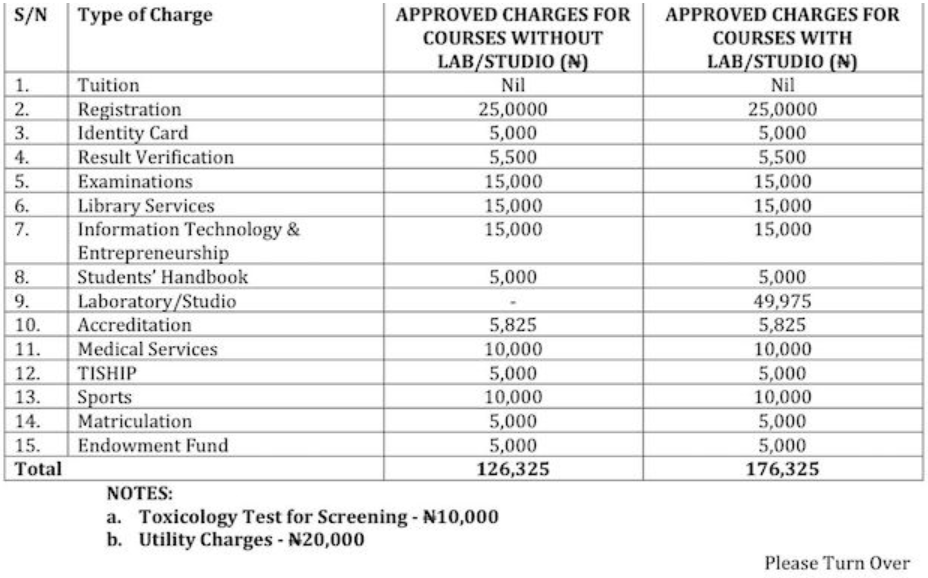
And here鈥檚 what fees look like for returning undergraduate students:
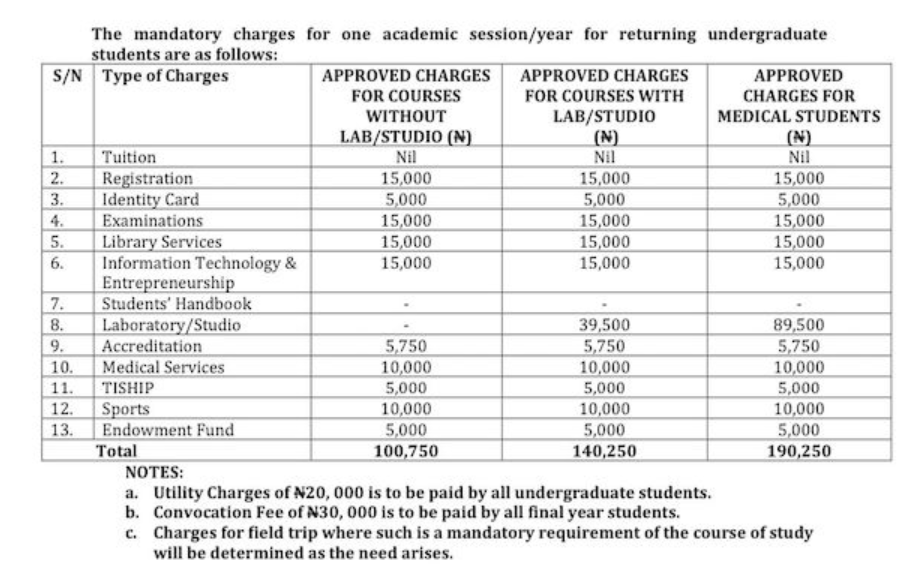
For comparison, for new undergraduate students were around 鈧�55,000, while returning students paid 鈧�15,000. While tuition remains free, the other mandatory expenses have gone up considerably. Understandably, the news has sparked strong reactions online.
What are the arguments in favour?
One major issue that has plagued public tertiary institutions is the lack of funding. You can draw a straight line between every strike that has occurred since the beginning of time and challenges relating to poor remuneration for staff and underfunding, leading to a paucity of research and development.
ASUU has , allowing institutions to raise funds for themselves rather than being overly dependent on government subventions. And although ASUU didn鈥檛 sanction this increase, it鈥檚 hard to see them argue against it. Some say Nigerian tertiary education is too subsidised and don鈥檛 consider the new fees expensive.
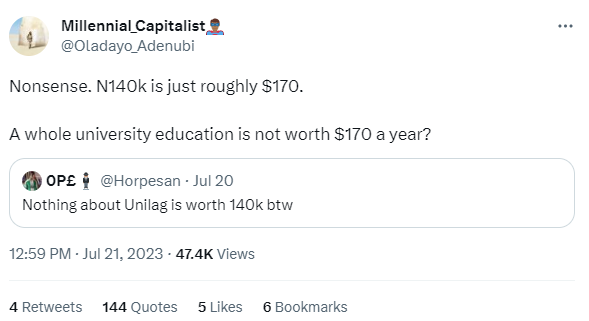
According to Deborah Tolu-Kolawole, who covers Nigerian tertiary education extensively, the hike in fees was inevitable. In , she explained that schools were struggling to stay afloat, with the federal government unwilling to release more funds.
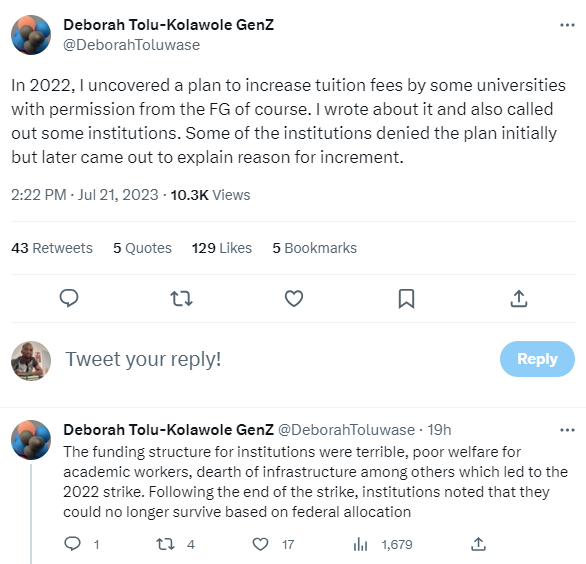
She notes that for now, some subsidy is still in place, as evidenced by the zero cost of tuition. She warned that there will be more increments once full autonomy is granted to universities. This is where the Student Loan Act will come into play.
Download the Citizen Election Report: Navigating Nigeria鈥檚 Political Journey
What are the arguments against it?
In economics, is a commodity or service made available to all members of society. Typically, these services are administered by governments and paid for collectively through taxation.
A on Human Rights and Ethics of International Cooperation, Rita Locatelli, argues that education should be a public good in light of 鈥渃urrent trends in the privatisation and marketisation of education.鈥澛�
UNESCO 15-20% of public expenditure on education. Nigeria has never met that threshold.聽
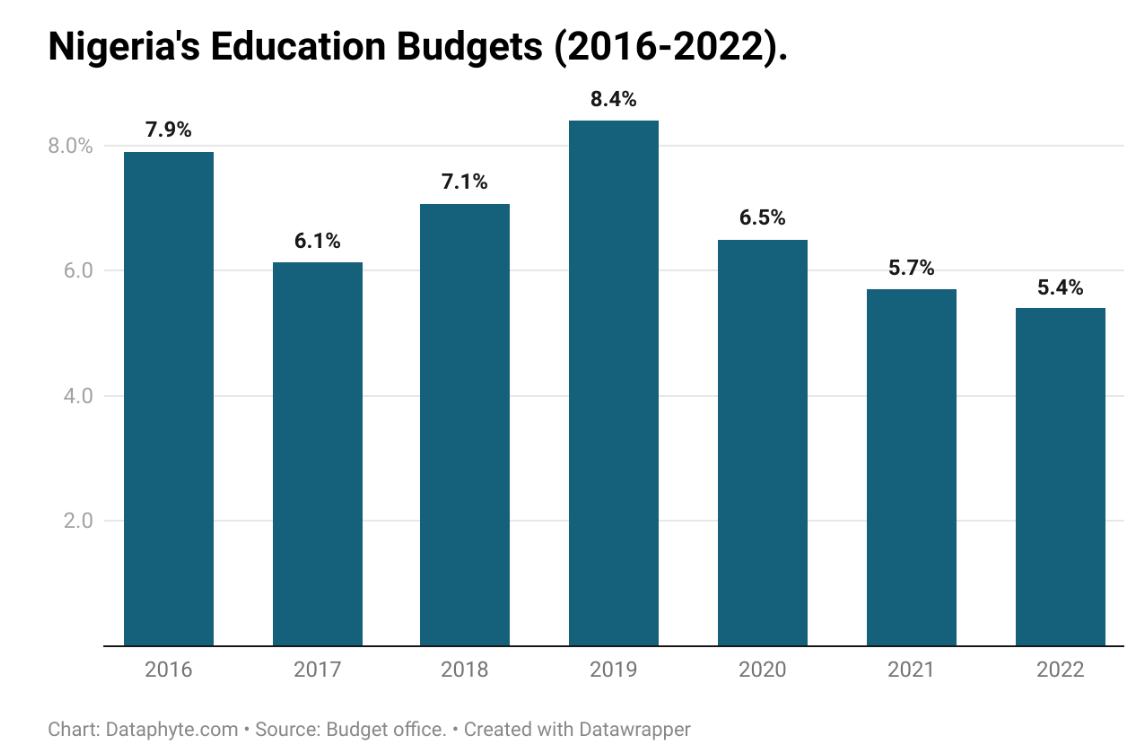
five of the world鈥檚 out-of-school children is in Nigeria. Among those who manage to brave all odds and make it to university, they will now have to contend with this new hurdle of a fee hike. If other public universities follow UNILAG鈥檚 example, this will exclude even more students from tertiary education that they can鈥檛 afford.
So while we recognise that universities need funding and that education is subsidised in Nigeria, we also recognise that it is for good reason. The timing of this hike in light of economic circumstances is tough to justify, at least on moral grounds.
As it stands in Nigeria today, the return on investment in education is negative. This is apparent in the fact that many university graduates are unemployed. Hiking fees perpetuate the common Nigerian saying, 鈥淪chool na scam.鈥� If fewer students get access to subsidised education, the outcome for Nigeria could be unpalatable.
In related news in education, the FG in federal government colleges, aka Unity Schools, by 122%. All of these combined will cause human capital development to slide even further. Nigeria’s prospects of leaving the ghetto might become bleak.聽
For now, UNILAG students are facing the brunt of it. Other universities are watching, and they will join in sooner or later. At some point, the federal government will have to lift its head out of the sand and intervene, or we could be staring at a full-blown state of emergency in Nigeria鈥檚 education sector.