Like the 10 fingers, electricity bands are not equal. If you鈥檝e ever wondered why the electricity rarely trips off in certain parts of the country while some areas only get light on public holidays, your answer is here.
There are five bands according to the Nigerian Electricity Regulatory Commission (). They include Band A, B, C, D and E.
Band A
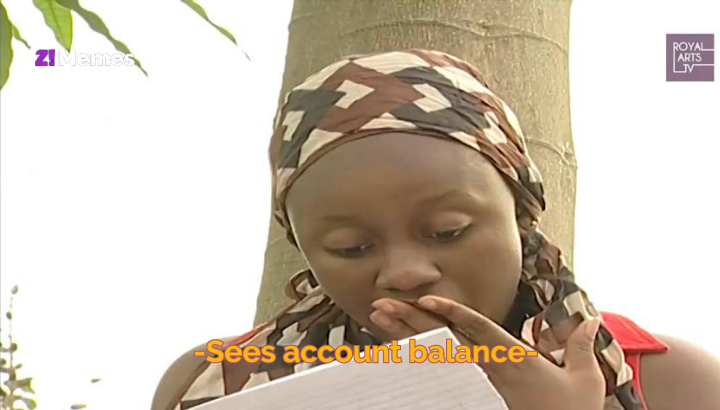
These are Nigeria鈥檚 true rich kids. Users who fall under this band are entitled to a minimum of 20 hours per day. With like Lagos, FCT, Oyo and Edo receiving the highest electricity rations, it is expected to find Band A customers in this category. with this amount of electricity include Akowonjo, Abule-egba, Ikeja, Ojodu, Oshodi, and parts of Yaba whose band currently costs 鈧�
Band B

If you鈥檙e part of this class, you are also rich and privileged. Band owners here get a minimum of 16 hours of light per day. With the national grid falling multiple times during the year, you still fall within the priority list of your electricity provider. This band costs between 鈧�61 – 鈧�64.07 per kw/h depending on their tariff 辫濒补苍.听
Band C

This class of people aren鈥檛 doing too bad. Because Nigeria鈥檚 electricity generation is , we鈥檇 probably rank them as comfortable. People who fall under this band have a minimum of 12 hours of electricity per day. At least, if you go to work for twelve hours, there鈥檚 a good chance you enjoy light for the other half of the day. This band pays between 鈧�48.50 to 鈧�52 per kw/h.
Band D

If you only ever get light from midnight till dawn, then this is probably your class. Folks in this class enjoy what many Nigerians would call 鈥渟table light鈥�. But hey, you get to charge your devices and iron your work clothes just before dawn. It鈥檚 a quiet type of luxury. This band costs between 鈧�32 to 鈧�52 per kw/h depending on the tariff plan and demand.
Band E

This is the lowest band that electricity service providers offer to customers. Users have access to a minimum of 4 hours per day and honestly, that doesn鈥檛 sound like enough hours of the day. On the bright side, they only cost between 鈧�32 – 鈧�43 per kw/h.
Thankfully, the government is working on electricity supply. Read why Nigeria may soon be having an uninterrupted power supply.聽