One random morning in 2023, we all woke up to discover that bread had gone from in the span of a year. Today, that same loaf now costs between 鈧�1,200 and 鈧�2,000. The culprit responsible for this uncomfortable change is inflation.
Just like bread, the price of almost everything you need to survive has risen sharply in the last two years. In February 2024, Nigeria 谤补苍办别诲听 in the world. Inflation has slowed from 31.7% in 2024 to, but , and the price of many essential goods remains impossibly high.
Nigeria鈥檚 economy is very volatile, and finding your feet in this economy can be as difficult as living in Lekki during the rainy season.
To make your life easier, we鈥檝e put together a list of 7 things you can do to manage inflation better.
Your Bank Statement Should Not Be a Jumpscare
聽It鈥檚 easy for your bank statement to confuse you at the end of each month. You see a lot of money leaving and entering your account, but you have no idea where it all went. The last time you checked, you had not made any major purchases; you didn鈥檛 buy clothes, a new wig or any gadgets this month, but your transaction history is littered with 鈧�2k debits, and you have no savings.
The problem is that you think it鈥檚 the big bills that are draining your account, but it isn鈥檛. Small spontaneous 鈧�500 expenses build up until you鈥檝e somehow spent 鈧�100k. If you track your expenses, you鈥檒l be surprised at how money you spent on Fanta in a month.
Know What You Can Actually Live Without
As uncomfortable as it sounds, inflation means you have to compromise. Sometimes, it may mean having to stop eating your favourite brand of imported chocolate biscuits or making homemade zobo instead of spending so much money on Sprite at the office. After tracking your spending, look at the items that take the most money out of your pocket and think of ways to cut those costs.
Take the Market Home With You If You Can
If you only buy things from your neighbourhood supermarket when you need them, you will end up spending more money in the long run. Buying essentials like deodorant, rice or toothpaste in bulk will allow you to take advantage of wholesale discounts. It can sometimes mean you get items at a cheaper rate, and you don鈥檛 have to worry about restocking when prices are high.
There鈥檚 No Shame in Thrifting
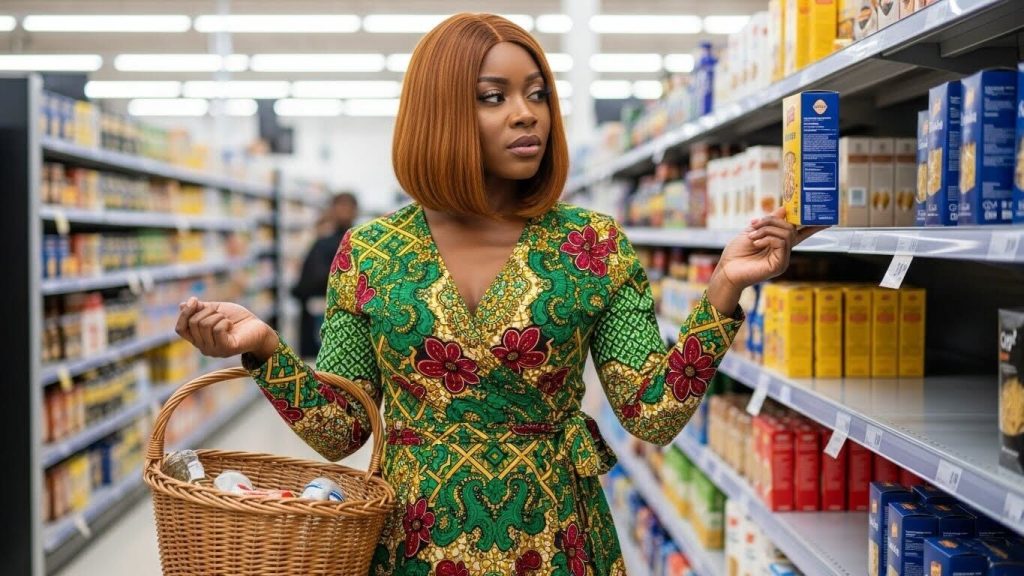
When you鈥檙e in the market, almost everything on the shelf can look necessary, but in this economy, you must differentiate between what you think you need and what you actually need to cut costs. Don鈥檛 buy what you don鈥檛 need.
Sometimes, buying the same product from a lesser-known brand is cheaper than buying it from a popular brand. Another way to save money while shopping is to buy thrifted items. Good thrift clothes, household items and electronics are just as good as new items, if you know how to buy them.
Save First, Not Last
In truth, there will always be one thing or another that requires you to spend money. The demand for money is endless, no matter how much you have. If you wait until after spending to save, you鈥檒l never save anything. Rising costs should not be an excuse not to save because when unforeseen circumstances arise, your savings will always come through for you. A general rule of saving is to save 20% of your income before you spend anything, but honestly, just save whatever you can.
Ask for a Raise
Let鈥檚 face it: the best solution to not having money is more money. More money never hurt anyone. If you鈥檙e in a work environment where negotiation is possible, ask for a salary increase. Your employers know that there鈥檚 economic hardship. A closed mouth is really a closed destiny. Ask.
Start Investing
When there is inflation, the value of your money decreases, and you lose purchasing power. This means that what you could buy with 100k in 2020 would probably cost 300k to buy today. Hoarding your money in a bank account somewhere means its value will continue to decrease.
If you must save, save your money in a stable currency, but your best bet would be to take advantage of the inflation, make investments, and watch your money keep growing.
Next Read: How Financially Savvy Are You?