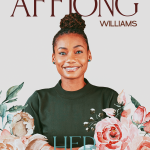
If you know her name, then you know just how great her work in the film industry is and what to expect from our , coming out this July. Inspired by some of our favourite stories from our Naira Life, Love Life, and Sex Life verticals, we鈥檙e giving them back to you in film format.
Here is what this means, and what to expect from the lens of our producer and showrunner, the founder of,

How did your relationship with cameras and film start?
When I was still planning my career and life, I thought the corporate world would be a good fit for me. Particularly something in politics; I wanted to be an ambassador.
I went to Turkey to study International Relations and Political Science because I thought it would be that simple at the time. Study the course and become the thing. But in university, we had extracurriculars, and photography was my chosen poison.
What inspired the choice?
As a child, I watched many films, mainly action, and I loved TY Bello as well. There was just something about her and the way she dressed with her camera strap, and I thought wow. I admired it, but I didn鈥檛 think it could be a career path for me.
Why not?
Honestly, I also thought photographers were broke. I remember one of my lecturers being impressed by my work and noticing how obsessed I was with cameras. He asked why I hadn鈥檛 considered taking the course full-time. I told him photographers were broke in my country, that they only take pictures at events and go home. I thought I would just keep it as a hobby and leave it at that. I was taking pictures for free at university. Sometimes people would give me money, and because of that, I decided to design a logo that read Uzi Photography. A lot of people saw it and asked me if it was still just a hobby, and I kept insisting that it was.
So, when did it stop being a hobby?
When I moved back home, a friend saw how much I loved photography and dragged me down to Lagos to work with a media company, and I was there for about 6 months. I always used my salary to shoot documentaries. I remember shooting a documentary in Abia State and getting kidnapped on my way back home.
Wow, how did you survive that?
I ran for my life. I entered one chance and they carried me to this bush, but once I saw an opportunity to escape, I ran away. I think it was then I realised this couldn鈥檛 just be a hobby, because even after that experience, I still wanted to make films.
Anyway, one thing led to another, I co-produced a feature film with a friend, then wrote another short film, and I just kept going. Haven鈥檛 stopped since then. Now, I do work under my company, Blu House Studios.
That鈥檚 an interesting start to a career. What inspires the tone of the work you do?
Impact. Even when I had political ambitions, it was me thinking about how best to drive impact. But now, I鈥檓 doing that with filmmaking.
How does this align with 91大神鈥檚 anthology and you being the showrunner for it?
It鈥檚 the same thing. I spoke to Anita and she shared the vision and idea with me. Spotlighting stories that shift gender norms and roles feels very much in line with what Blu House Studios does. And the stories were fun. Having fun and passing across a message, or doing something where people will see that substance is what I do.
I don鈥檛 know that it’s my calling, but I also know that I don鈥檛 know how to do fluff. So yes, there will be entertainment, but we also have to drive conversations with the work. So, for the life series, it was pretty much a no-brainer. The project involves things that people can relate to and connect to, spotlighting real-life experiences of African women. It鈥檚 impactful.
How is the film anthology supposed to drive impact?
The stories are inspired by 91大神 articles, so they鈥檙e authentic. We鈥檙e not making these things up. But they were definitely factors we had to prioritise in the films. For example, they address many of our daily conversations on social media and even in our homes. I learnt a lot working on them myself. Every time I tell Anita, she doesn鈥檛 like to believe me, but the educational impact was a lot. I saw that sometimes people don鈥檛 plan to deal with things; life just happens, and people end up being victims of circumstances and situations they can’t control and didn鈥檛 create. We see that the world is designed a certain way, and we鈥檙e all trying to adapt to it; in any way we can..
There were some articles I read that I remember feeling deeply touched by. Some of them, we even had arguments about what parts we should leave out, deciding which of the characters needed more emphasis and which ones would garner empathy. But the priority for everything was still how we wanted to shift the story. The question we asked ourselves was what exactly it was we were trying to change.
And how did you answer that?
I think it was highlighting the nuanced stuff. It’s easy to write about the things we see every day, but we decided to point out layers. It’s like saying we know Nigerian men aren鈥檛 like this, but this is how they should be.
The rationale is that if we keep seeing the nuances, things will keep getting better. It鈥檚 easy for us to write the usual deadbeat guy who doesn鈥檛 have anything to offer. But that鈥檚 not our focus. That鈥檚 not how we want to shift the story.
What role do the women/female characters have to play in this?
They鈥檙e the catalyst for the emotions we hope the audience feels, especially empathy. We鈥檝e written them in such a way that people don鈥檛 feel pity for them or see them as powerless. We want the audience to empathise with their situations. See them as people who can make decisions for themselves and see ourselves in them. So people watch the films and leave knowing they always have a choice to make, and that there鈥檚 always room for growth.
Can we talk about the women and how they portray this in the film?
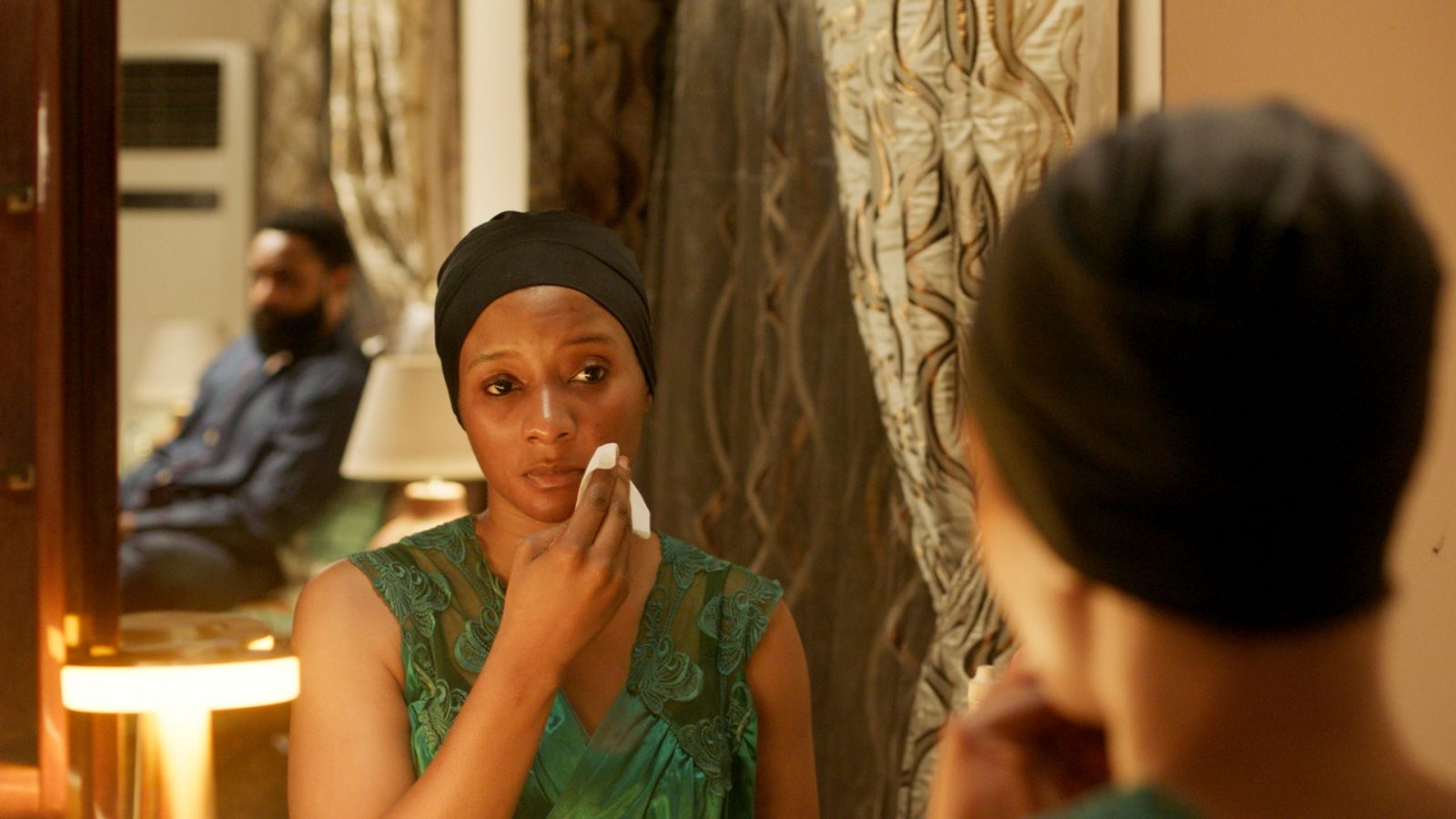
Mariam in What鈥檚 Left of Us starts as a weak person without much of a choice in her marriage. When we see her relationship with her husband, we see that, first of all, the world isn鈥檛 fair to everybody, especially women.
Despite how much Mariam wants to keep her family whole, she begins to prioritise herself, and that choice doesn鈥檛 come easily. Her husband is unwilling to meet her halfway, but she has to think of herself and the dreams she had before getting married. So, she chooses herself. Her husband didn鈥檛 seem to be making decisions that favoured her, and there wasn鈥檛 much she could do about it besides this.
In My Body God鈥檚 Temple, Omasilu is self-aware. She knows there鈥檚 a problem, and she understands it鈥檚 probably with her body. But her character maintains her stance. She鈥檚 working on herself, but won鈥檛 go beyond things that align with her spirituality. Even in the process of fixing things, she can identify what she likes and doesn鈥檛 like. And the ones that she likes, we see how much she likes them.
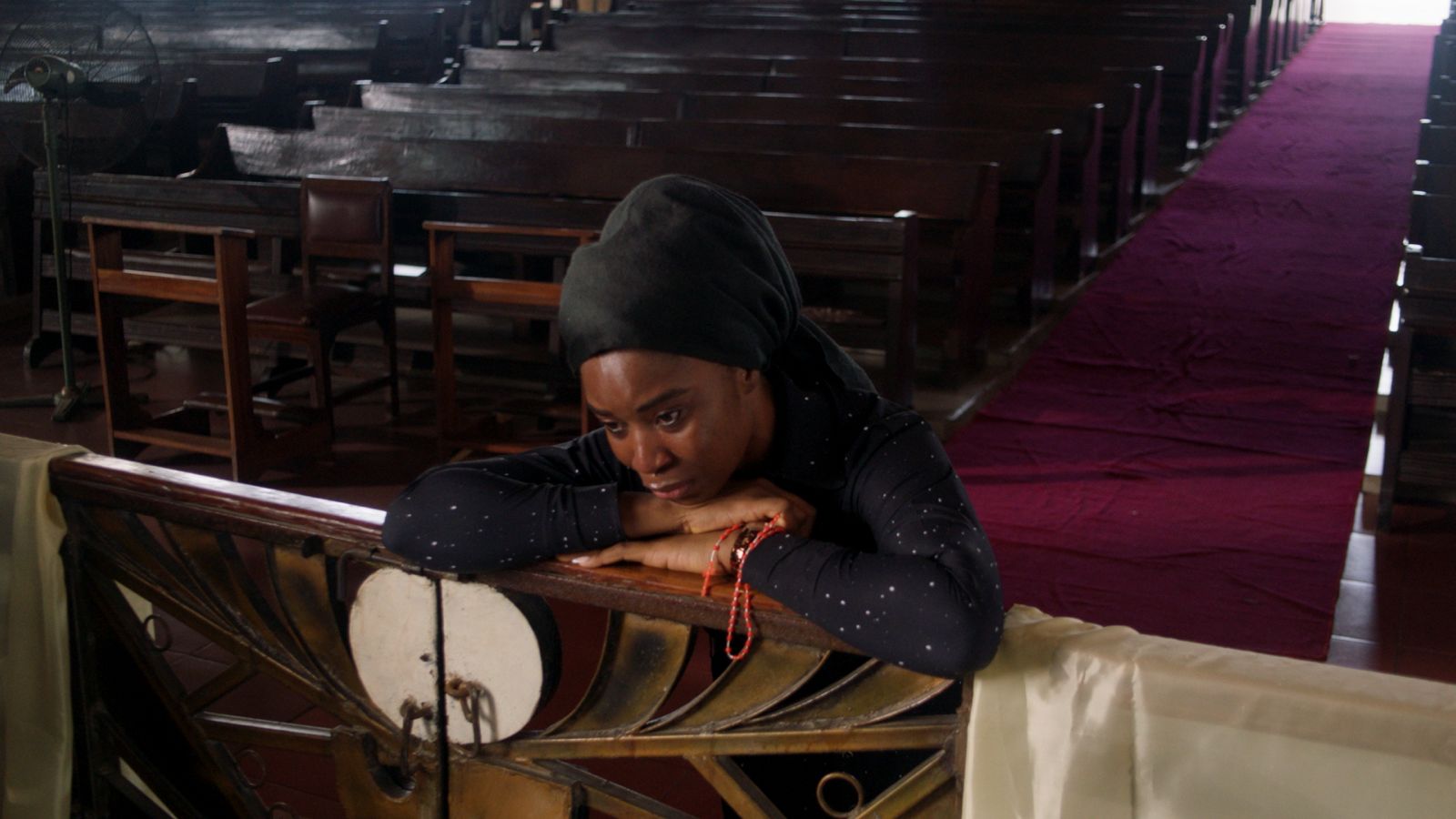
Then Ziora from Something Sweet goes through a lot navigating society鈥檚 perception of a relationship that makes her happy. But she鈥檚 doing it, standing up for herself and her love, even to her son. I think all three women really exhibited self-love, even in really tough situations.
The men also seem a bit far off from what we know Nigerian men to be. Why is that?
It鈥檚 with what I said earlier and shifting the narrative. I mean, Aliyu is your average Nigerian man. A lot of us have his type in our homes, as friends, they鈥檙e on Twitter and Instagram, etc. As much as we鈥檙e trying to shift the story, we also need the characters to be relatable, especially in the context of the stories. But it was important to highlight that because we see how men respond to situations like that. Would he let Mariam leave or give in to what she wants?
Most times, women think these men won鈥檛 adjust when they stand their ground, but they will. It鈥檚 important to be confident because sometimes it scares them. I think many of them are the way they are because nobody has challenged their mindsets. So yes, Aliyu embodies the average Nigerian man who thinks a wife is just for meeting their needs and having kids.
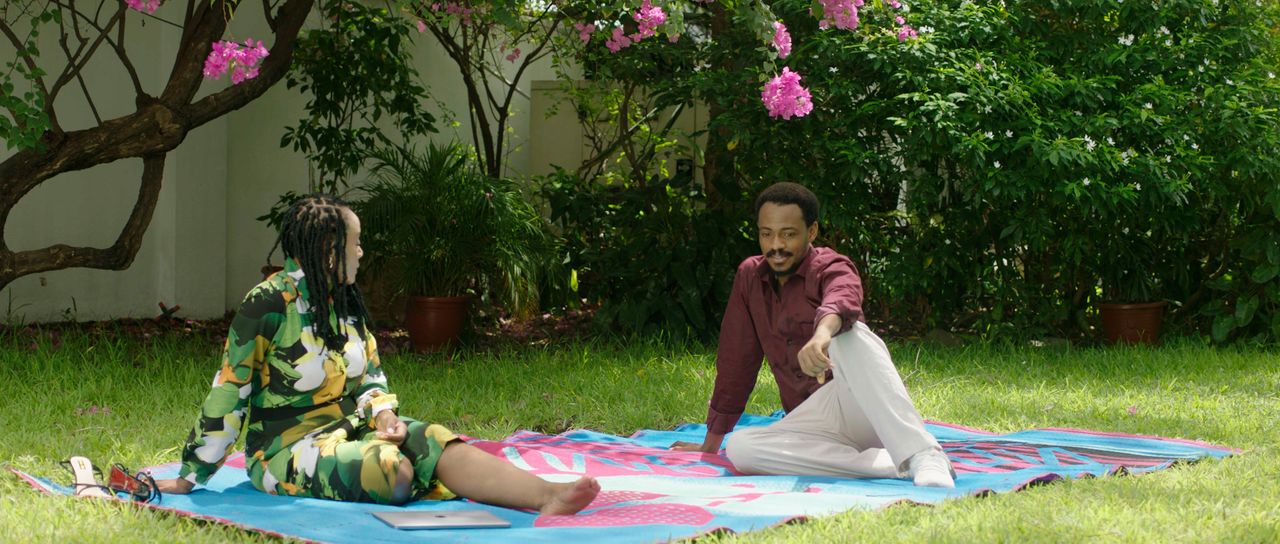
Zion was very different from that. He was a representation of how men can be, which is really just human. With him, we showed that men can and should be vulnerable, patient, and better at communication. Zion shows how men can be better partners, and honestly, it’s rare to find. A man who鈥檚 so secure in his person and isn鈥檛 ego-driven. Even when we were working on edits, someone called him a simp because of how he took feedback on sex from his partner. But listening doesn鈥檛 make him a simp, it just shows that he listens to understand.
Leke was honestly just human as well. He was firm and decisive, which was good. He knew what he wanted and was also ready to fight for it. But I don鈥檛 think his flaws are something that we should condemn. A lot of what he did was because of how he was perceived, and he鈥檚 human, so that鈥檚 okay. When society makes you feel like you need to prove something, it鈥檚 natural to respond in that way.
These characters seem very strong and intense. What was the casting process like?
We had an audition call, which is the usual process. But when I send out scripts, I wait to see how the actors and actresses respond. I don鈥檛 say anything about how I feel or what I want to do with the story, I just see how they interpret it and confirm whether or not we align. Having someone get the message from the beginning is not something you teach. They either get it or they don鈥檛.
With Tolu Asanu, who plays Mariam in What鈥檚 Left of Us, I remember that after she read the script, she went on about how the story annoyed her so much, and we had a deeper conversation about how this is the norm in the north. From that, I was like, ” This is the person for the role. It was the same thing for My Body God鈥檚 Temple and Uzoamaka Power. There were spiritual similarities between the character and herself, even as the writer and the director. It was obvious that there was a deep connection there, so it was a no-brainer that she would play it. Same thing with Something Sweet. Michelle Dede came with references to films that came to mind after she鈥檇 read the script to show what we were trying to achieve.
I like to work with people who understand what I鈥檓 trying to do. There either has to be a personal connection or an awareness and closeness to what is happening in society.
I think it shows in the films. This awareness and connection you speak of. So, how do you hope the audience responds to the films?
With conversations. As long as they鈥檙e reacting, I鈥檓 happy. I don鈥檛 think it鈥檚 something that we鈥檙e going to release and have everyone move on as though nothing happened. I want people to watch it and challenge their thought processes. Like the guy who called Zion a simp, I wasn鈥檛 upset about that, actually. I was very happy with it. What was it about Zion that made him call him a simp? Let鈥檚 have conversations and wash all the toxicity from society, let them drag the characters. I want all of that. Nuanced, problematic conversations, whatever it is. It鈥檚 art; people have opinions when you put it out there. So I want people to air them out.
What were some of your favourite memories on set? So the audience has something to look forward to?
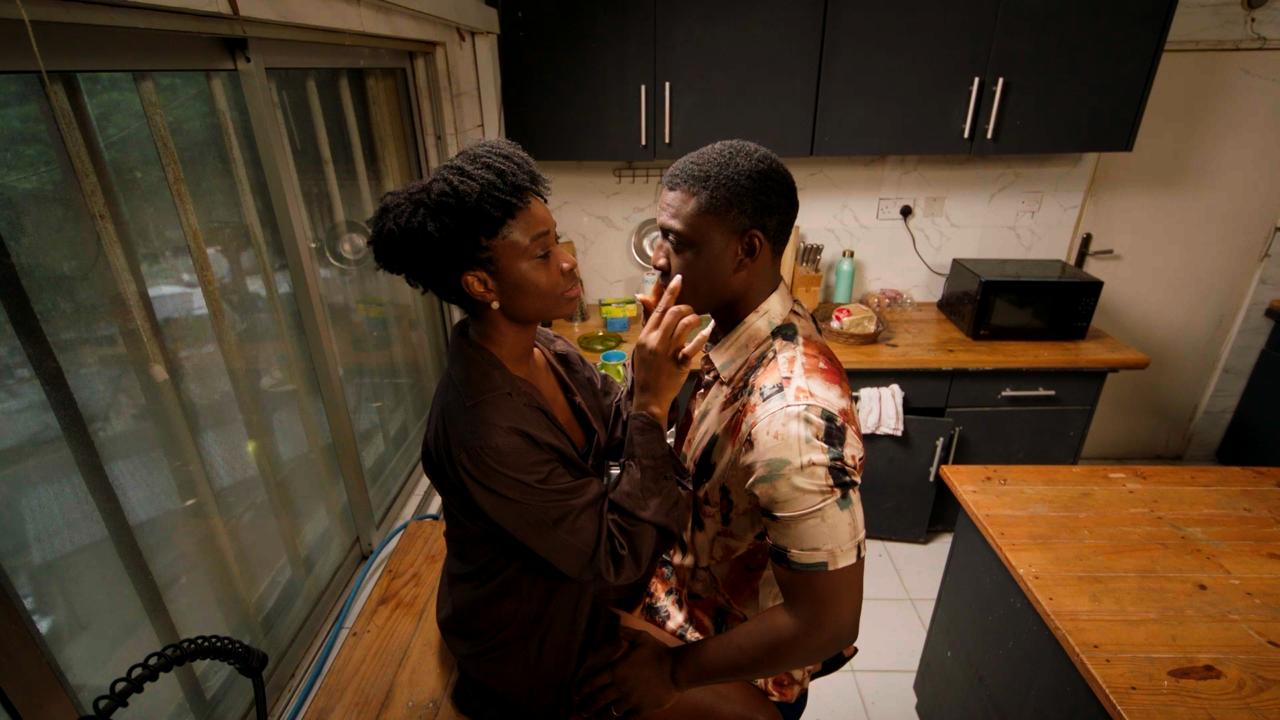
Wow, my favourite memories. The process was actually really stressful because shooting in Nigeria is not the easiest. But I laughed a lot and I enjoyed making all of them. My favourite memories would be when we were shooting some of the scenes on set, like some of the final scenes in My Body God鈥檚 Temple. When we were filming it, everyone just started laughing because of certain things Uzoamaka did. We literally ran out of the church laughing, and I remember people saying she was making us commit sin inside the church. Some scenes were really intense, like the kitchen scene in What鈥檚 Left of Us. But it was all really good. I enjoyed it.
Read Next: Undervalued and Over It: 5 Steps to Redistribute Care Work