Weird as it may sound, some women would rather do gymnastics after sex or the 鈥減ull-out鈥� method to prevent pregnancy than actual contraceptives. Why? Because of the widespread misinformation about contraceptive side effects and failures.
This is why I鈥檓 taking it upon myself to dissect all the female contraceptive options available in Nigeria, to help my girlies make informed decisions. PS: Contraceptives don鈥檛 rule out the need for condoms. There are still STIs in these streets, babes.
Birth control pills
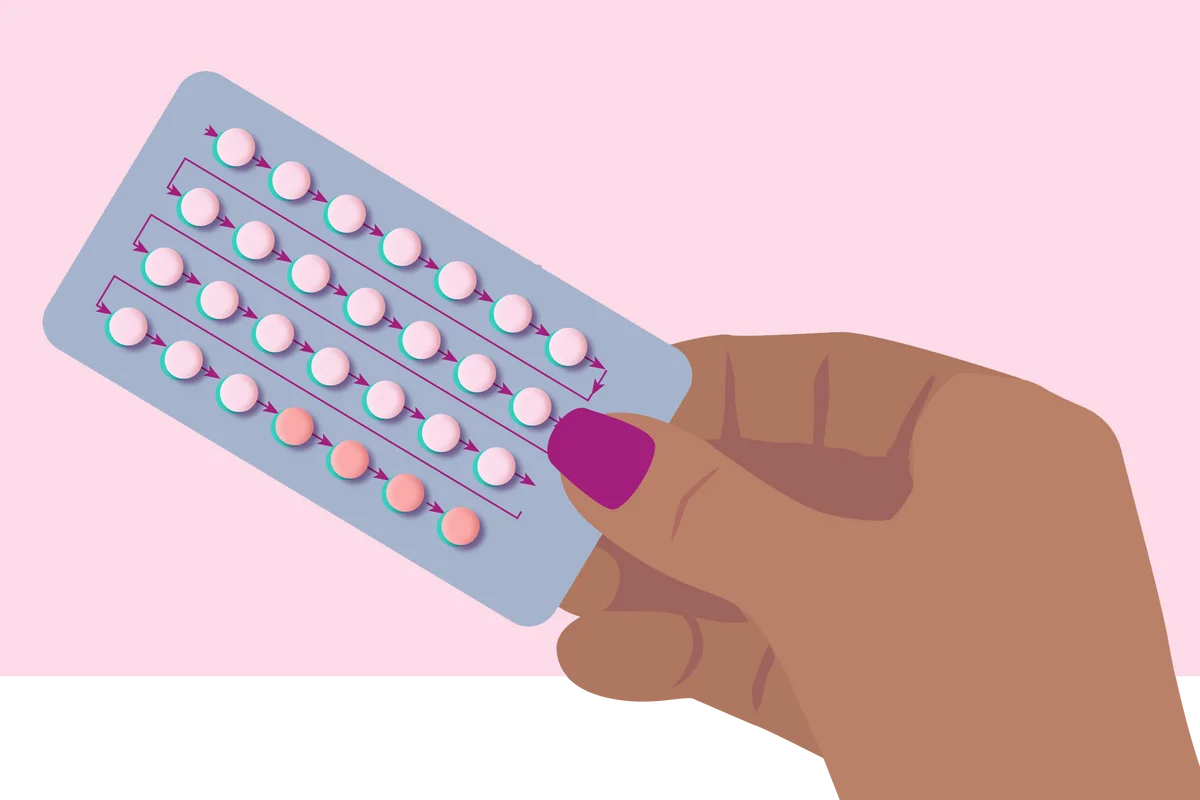
Image: Healthy Women
Also known as 鈥渢he pill鈥�, this contraceptive prevents pregnancy by safely stopping ovulation. Without ovulation, there鈥檚 no egg for the sperm to fertilise. Meaning no pregnancy.
There are different types of birth control pills: Combination pills (which contain estrogen and progestin) are the most common type and are taken daily. The mini pill contains only progestin and is better suited for breastfeeding women. It鈥檚 also a daily pill. Then there鈥檚 the extended cycle pill which reduces the menstrual period to just four cycles in a year. This type is taken continuously for 12 weeks, followed by a one-week break.
Pros: When taken properly, the pill is 99.9% effective at preventing pregnancy. They can also help regulate your periods, lessen cramps and even clear your acne. It also doesn鈥檛 affect fertility. Most users just need to stop the pills to get pregnant.
Cons: Some pills, especially the mini pills, need to be taken at a certain time daily to be effective. Missing a dosage will make it less effective. You might also experience side effects like spotting between periods, mood changes or blood pressure changes.
Where to find it: Most combination and mini pills can be gotten over the counter at pharmacies. But you should always see a doctor before going on the pill to make sure you don鈥檛 have pre-existing medical conditions that may make the pill harmful to you.
Emergency contraceptives, AKA 鈥淧lan B鈥�
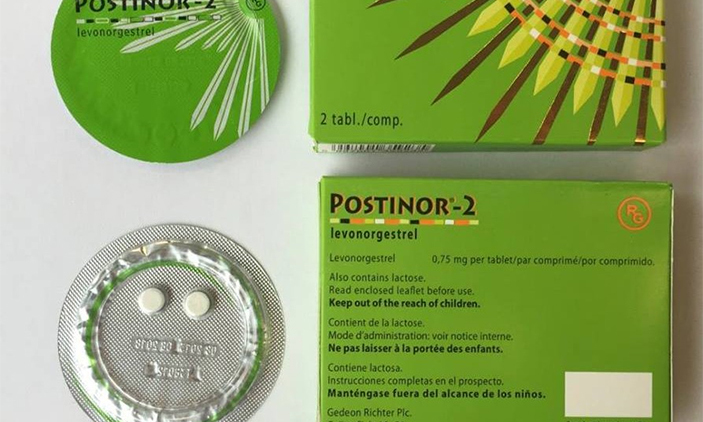
Image: Facebook
Most people know this as 鈥�Postinor 2鈥� because it鈥檚 the most popular emergency contraceptive brand in Nigeria. Emergency contraceptives contain either levonorgestrel or ulipristal; hormones that prevent fertilisation.聽
As the name implies, it shouldn鈥檛 be used as a regular form of birth control. It should only be used in cases like random condom tears, when the 鈥減ull out鈥� method disgraces you and your partner or when you miss some doses of your regular birth control pill.
Pros: It comes in handy in emergency situations, and when taken within 48 – 72 hours of unprotected sex, can be up to 90% effective in preventing pregnancy.
Cons: Whether you take it immediately or not, if ovulation has already happened, that baby will come into the world. Side effects can include heavier or lighter menstrual periods, nausea and headaches.
Where to find it: Levonorgestrel-based emergency contraceptives can be gotten over the counter at any pharmacy.
Intrauterine Device (IUD)
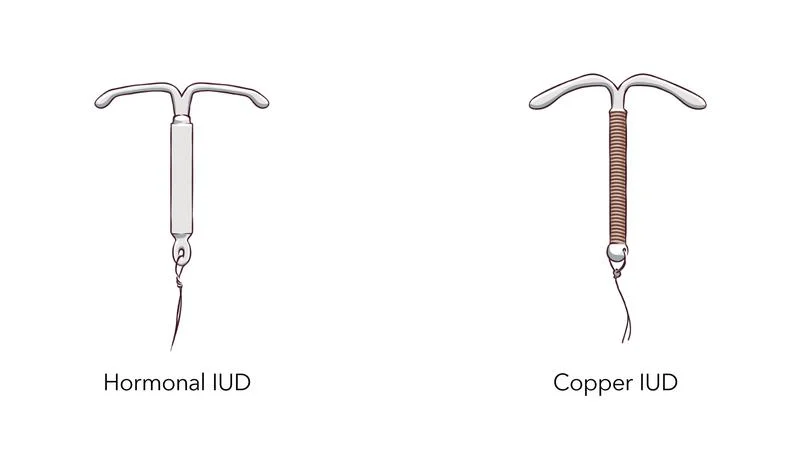
Image: Planned Parenthood
It鈥檚 a T-shaped plastic device that鈥檚 placed in the womb to make it impossible for the sperm to get to the egg. IUDs can be hormonal (levonorgestrel) or covered with copper. Sperm doesn鈥檛 like copper and won鈥檛 go near it; levonorgestrel will prevent the eggs from coming out in the first place. IUDs can stay in the body for three to ten years.
Pros: Inserting the IUD is a pretty quick, painless procedure, and they begin the work immediately 鈥� they鈥檙e up to 99% effective in pregnancy prevention. Hormonal IUDs can also reduce heavy menstrual bleeding and relieve the pain of endometriosis with long-term use.聽聽
Cons: Your periods may be more painful and irregular in the first few months of insertion. There鈥檚 also the risk of the IUD slipping out of the womb during your period after it鈥檚 first inserted. Other risks include infections from the IUD and, if a careless health provider does the insertion, injuries to the uterine wall.
Where to find it: You should only get an IUD with a doctor or health care provider after proper consultation.
RELATED: 7 Tips for Having Sex with Endometriosis, According to Yeside
Contraceptive implant
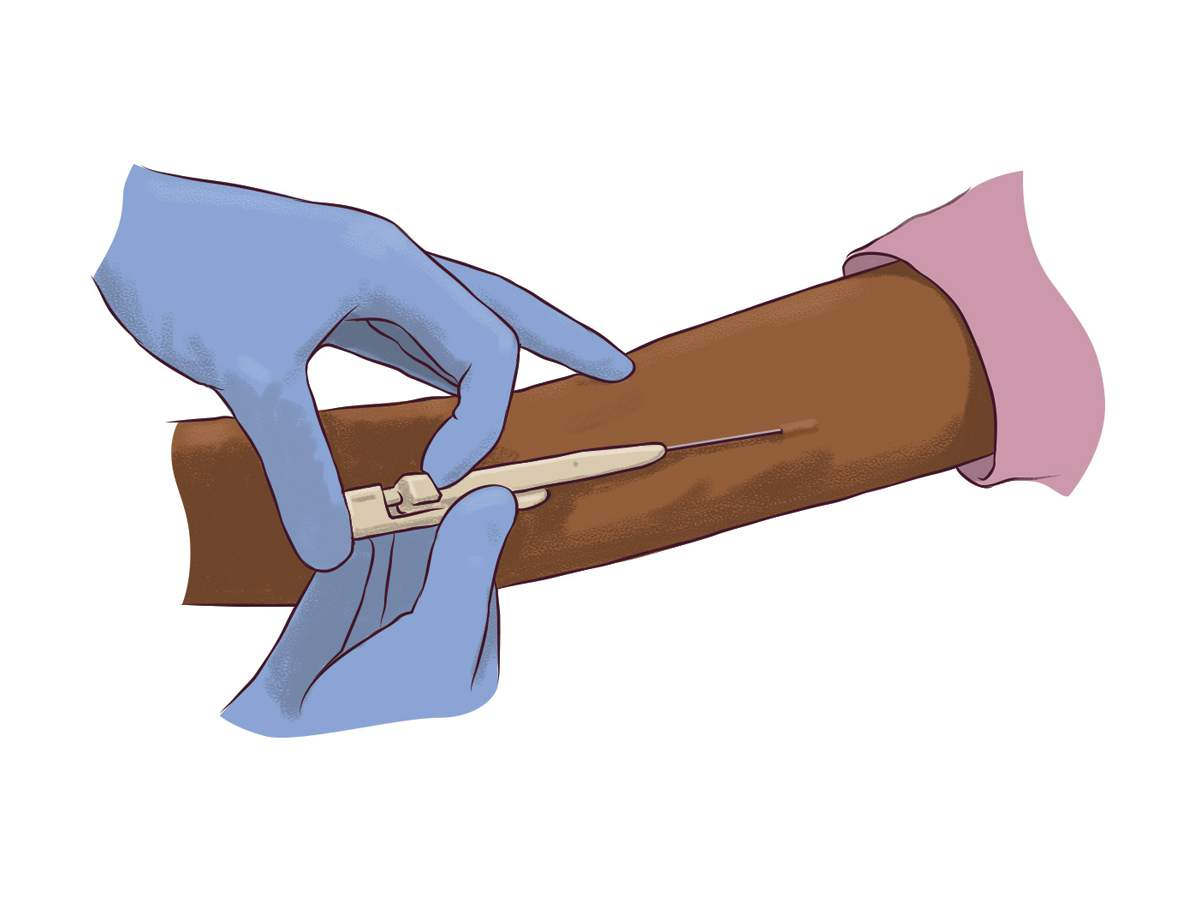
Image: Planned Parenthood
Also called a birth control implant, it鈥檚 a small flexible rod-like device implanted into the upper arm. It prevents pregnancy by releasing a slow, steady dose of the progestin hormone to stop ovulation or make it hard for the sperm to reach the egg. Implants usually last three to five years before they become ineffective and need to be replaced.
Pros: You don鈥檛 have to do anything else, so forget about the stress of remembering to take some pill every day. It鈥檚 great for breastfeeding women, and it doesn鈥檛 have any long-term effects on fertility.
Cons: Your periods may be irregular, and you have to visit the doctor to remove the implant after it expires. That鈥檚 not always a pretty sight.
Where to find it: You should only get an implant with a doctor or health care provider after proper consultation, as the implant may interfere with other medications.
Birth control patch

Image: My Health Alberta
This works similarly to the implant. It delivers pregnancy-preventing hormones through the skin to the body but has to be changed every week for three weeks to be effective. The week without the patch is usually when you get your period. The patch can be placed on your lower abdominal area, back or upper arm.
Pros: You don鈥檛 have to worry about tablets and needles for this option. It鈥檚 also easy to apply and remove.
Cons: It鈥檚 less effective with thicker women. The patch may also cause the body to produce more estrogen than other birth control options and increase the risk of developing blood clots.
Where to find it: The patch should only be used with a doctor鈥檚 prescription.
Sterilisation

Image: Aston safety signs
You can also go the permanent route. Sterilisation options include surgical removal of the womb or tying the fallopian tubes.
Pros: It鈥檚 100% effective at preventing pregnancy. In other words, no pregnancy scares in your future.
Cons: You can鈥檛 change your mind after the procedure has been done. You鈥檒l also still need to practice safe sex to prevent STIs.
Where to find it: These procedures should only be done by a licensed doctor or surgeon after extensive consultation.
NEXT READ: I Want To Help Prevent Women From Dying During Childbirth
for a day of fun, networking and partayyyyy