Being a woman in Nigeria today is a full-time job plus extra. Once you add Polycystic Ovary Syndrome (PCOS) to that mix, you鈥檝e got the perfect recipe for chaos. It messes with your body, your purse, and your mental health. Is it the misdiagnoses or the medical gaslighting from the healthcare system that treats women鈥檚 pain like background noise? Surviving PCOS in Nigeria is not for the faint-hearted.
Polycystic Ovary Syndrome is a hormonal disorder that It鈥檚 like your ovaries decided to throw a party, forgot to invite ovulation, and instead sent acne, weight gain, irregular periods, and unwelcome facial hair as the guests. Oh, let鈥檚 not forget the fertility issues and increased risk of diabetes and heart disease.
But here鈥檚 the thing, in Nigeria, most women don鈥檛 even know that they have it until it鈥檚 too late. A found that awareness of PCOS among Nigerian women is shockingly low, with many only discovering that they have it after years of misdiagnosis or when they鈥檙e trying to conceive.
The Price of Living With PCOS? Your Entire Salary
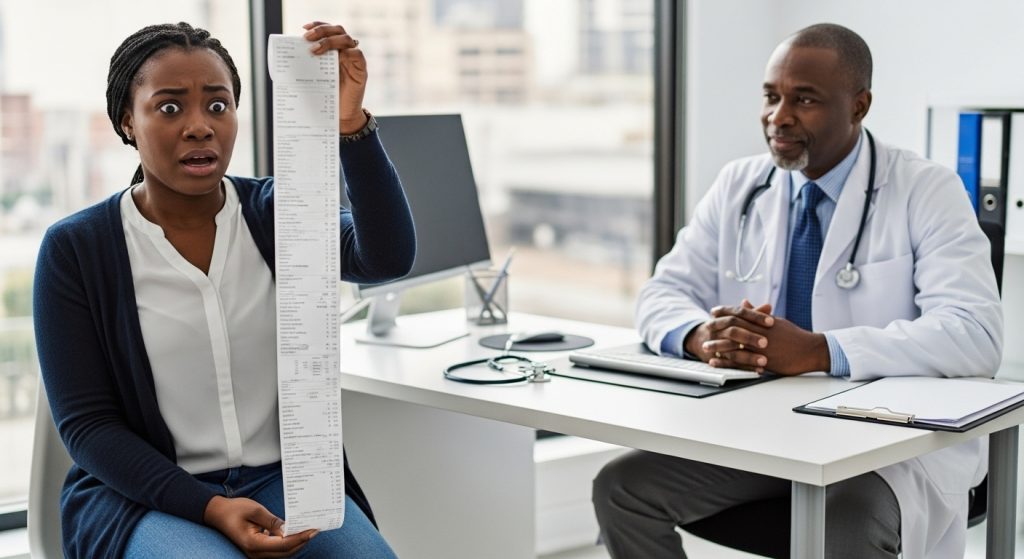
Let鈥檚 talk about money. Living with PCOS in Nigeria is not cheap; here鈥檚 a breakdown of typical costs:
Hormonal Profiling: This costs 鈧�20,000 – 鈧�50,000, depending on the lab. At , one of the country鈥檚 top diagnostic labs, hormonal tests like FSH, LH, Prolactin, and Testosterone can cost upwards of 鈧�40,000.
Ultrasound scans: 鈧�10,000 – 鈧�25,000 per session.
Medications: Monthly costs for drugs like Metformin, Clomid, or birth control pills range from depending on the brand and location.
Specialist Consultations: Private gynaecologist visits can cost 鈧�15,000 – 鈧�30,000 per session.
And if you鈥檙e trying to conceive? IVF (In Vitro Fertilisation) in Nigeria costs between per cycle, depending on the clinic and That鈥檚 more than the annual salary of many Nigerians. In Nigeria, womanhood is often equated with motherhood. So when PCOS affects your fertility, it鈥檚 not just a medical issue鈥攊t becomes a social crisis. Women are blamed for not being able to conceive, shamed for their appearance, and pressured into silence.
This stigma means many women don鈥檛 seek help until it鈥檚 too late. And when they do, they鈥檙e often met with ignorance or indifference. It鈥檚 important that healthcare providers and the public are well-educated. PCOS is manageable, but it’s essential that it is recognised and treated early.
The Healthcare System Is Not Helping
Nigeria’s healthcare system is notoriously underfunded. According to the (WHO), Nigeria spends less than 5% of its GDP on health – far below the recommended 15%. This underinvestment means that public hospitals are often ill-equipped to diagnose or manage chronic conditions like PCOS.
Women are forced to go to private hospitals, where costs are higher, and quality varies. Even then, many doctors lack up-to-date knowledge on PCOS. Nigerian women are fighting back on social media, and this has become a lifeline for women in the dark about living with PCOS. Hashtags like #PCOSAwareness and #MyPCOSStory are helping women share their experiences, find support, and demand better care.
Platforms like are also stepping in, offering resources, medication delivery, and educational content tailored to Nigerian women. To change the status quo, it is important that there鈥檚 better training for healthcare workers. PCOS should be part of standard medical education. Subsidised care will also go a long way. Hormonal tests and fertility treatments should be covered under national health insurance.
We need to normalise having conversations about women鈥檚 health, especially reproductive health. Lastly, womanhood is not defined by fertility. Having PCOS in Nigeria is a masterclass in resilience. It鈥檚 waking up every day with a body that feels like it’s working against you, navigating a healthcare system that barely acknowledges you, and still showing up.