Until I started writing this article, I didn’t realise just how much Korean K-drama has taught me. This is your cue to watch your next K-drama without subtitles. Your brain secretly understands what they鈥檙e saying, we promise. This mini-dictionary is for non-fans.聽
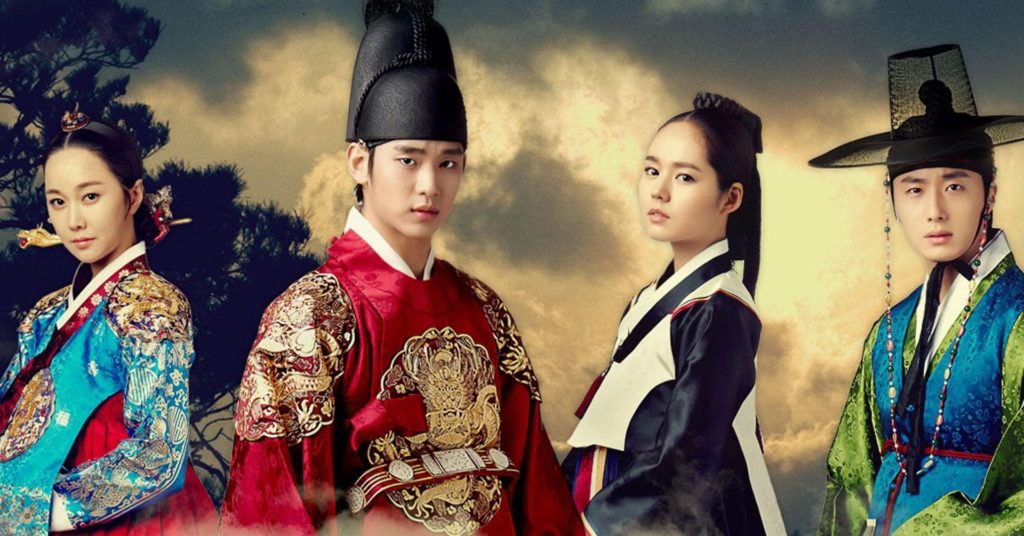
Saguek
A Korean historical drama, usually set in the Joseon era.
Oppa
Younger women use this word as a cute way to refer to their older brothers or boyfriends.
Chaebol
Dirty, 鈥渨ill buy your family’s silence鈥�, stinky rich businessmen who are also always the bad guys or the ones paying the bad guys.
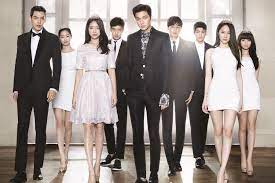
Second lead syndrome
When the second male lead has more chemistry with the female lead than the main male lead, so you start rooting for him instead. It always ends in tears.
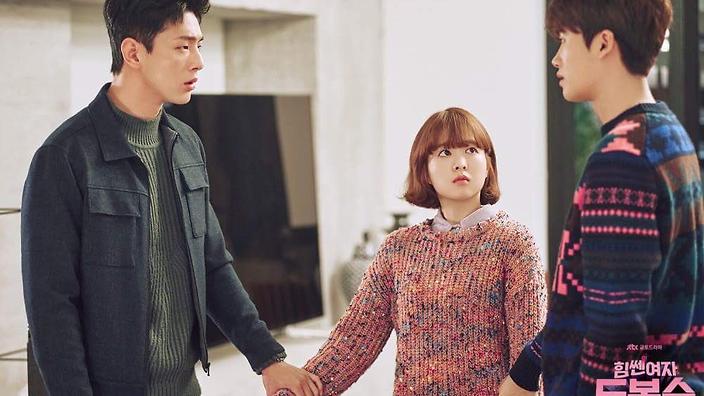
Makjang
You know those dramas with unnecessarily exaggerated or weird plot twists? This is how we describe them. *Coughs The聽Penthouse: War In Life听蝉别谤颈别蝉.
Hallyu
Nollywood is Nigeria what Hallyu is to Koreans. Or better still, popular Korean culture.
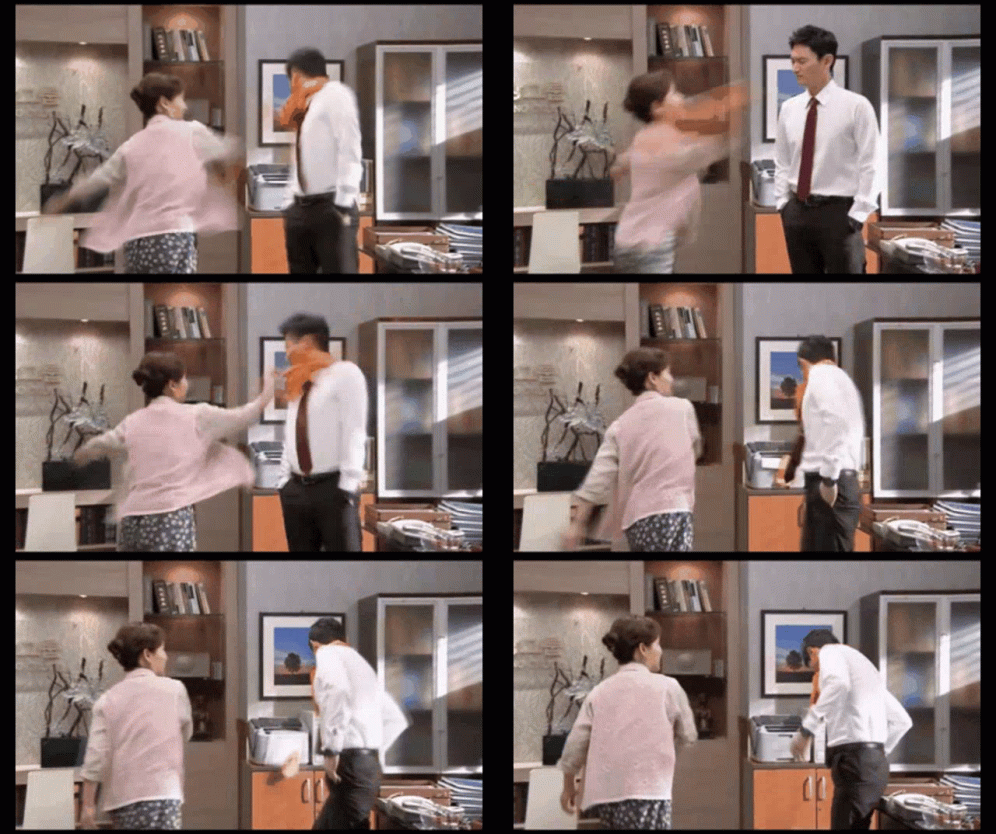
Kimchi slap
Back in the good old K-drama days, you couldn鈥檛 watch a K-drama without someone getting slapped with a kimchi covered hand.
Noona
Term of endearment for older sisters. Or a younger man can use it to refer to his older girlfriend.
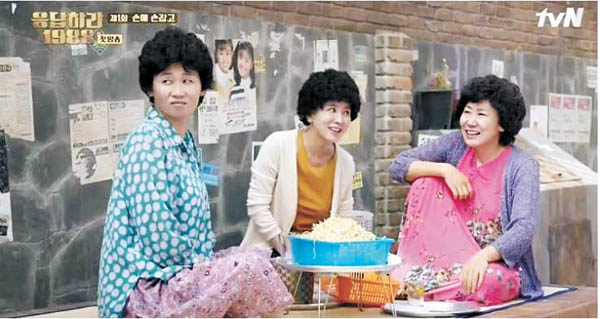
Ahjumma
It means 鈥渙lder woman鈥�, but is mostly used to describe those nosey-ass older female characters in K-drama.
OST
Everyone knows OST means the 鈥渙riginal soundtrack鈥� of a drama. But it’s particularly popular in K-drama because it usually features popular K-pop artists.
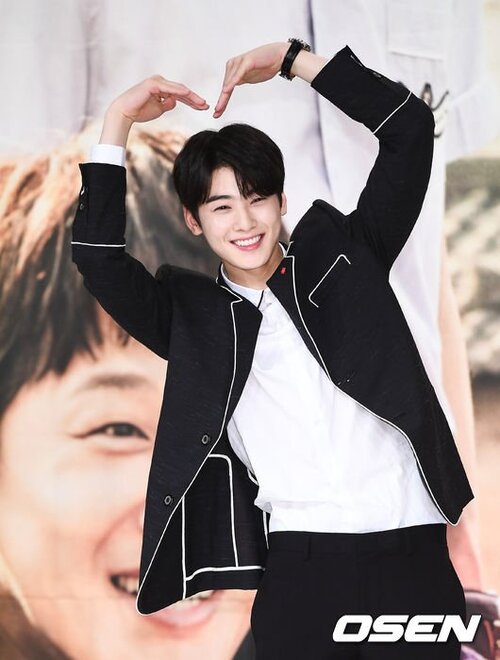
Saranghae
This means 鈥淚 love you鈥� in Korean. It鈥檚 usually followed by a finger heart or those big full-body ones.
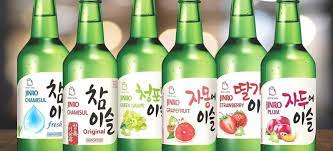
Soju
The principality and powers in alcohol form Koreans drink like water in K-drama.
PPL
Product placement in a drama. If you鈥檙e a K-drama fan who uses a Samsung, I鈥檓 not saying it鈥檚 years of conditioning, but hmm. PPL is basically that shameless but craftily hidden brand promo in a K-drama.
Jjimjilbang
This is a Korean bathhouse. Characters go there to relax, wearing matching sets provided by the establishment. Fights or love at first sight usually start here.
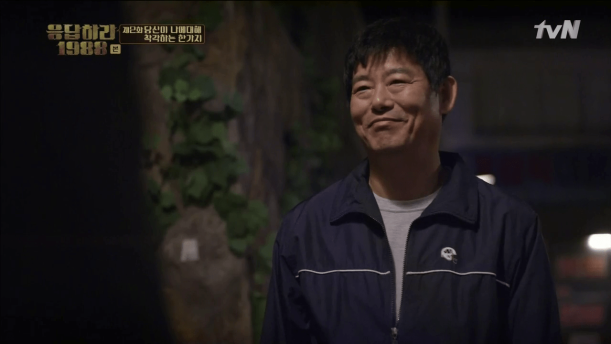
Ajusshi
This is how Koreans refer to older men. These characters are usually ill-tempered or very nice and wise. No inbetween.
Yeobo
This is the Korean version of 鈥淗oney鈥�, the popular married couple endearment.
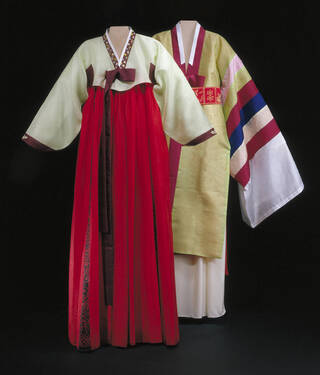
Hanbok
This is the traditional Korean clothing often seen in historical K-dramas.
Geunyang
This means “Just because”. Sometimes, things happen just because, and you don鈥檛 want to have to explain it, so you say, 鈥淕eunyang鈥�. Mostly used by K-drama mums when their pissed with their kids.
Aigoo
Characters use this to express regret, disappointment or annoyance. It translates to “Oh my goodness”.
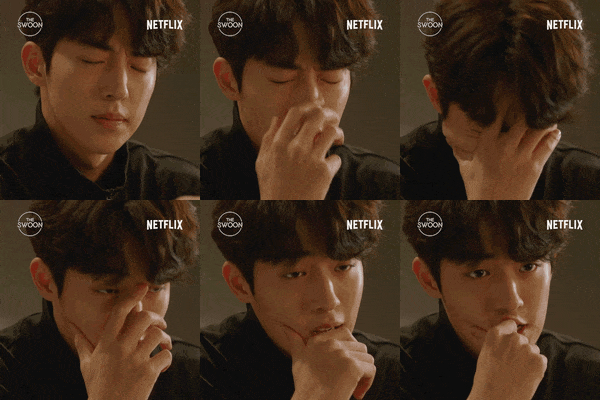
Pabo
You know how we call foolish people 鈥淥de鈥�? Well this is the Korean equivalent.
Daebak
This is basically the Korean version of 鈥淓hen鈥�. Depending on your tone, it can be an exclamation of excitement, amazement or disbelief.
PaliPali
This just means 鈥渉urry up鈥�. Especially when the character in question is being rushed so all their books can fall out of their bag just so they can meet the love of their life.
Melo
Short for 鈥渕elodrama鈥�. When K-drama fans watch a really emotional drama, they refer to it as a melo.
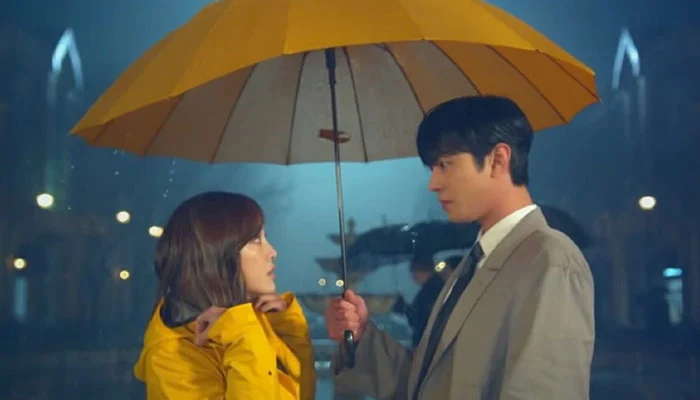
Umbrella scene
It鈥檚 not a romantic K-drama without the scene where the male lead protects the female lead from the rain by giving her his umbrella. Bonus point if it鈥檚 yellow.
Healing drama
A drama that brings you so much comfort you just know you鈥檒l end up rewatching it for years to come. A lot of 2022 dramas had that energy.
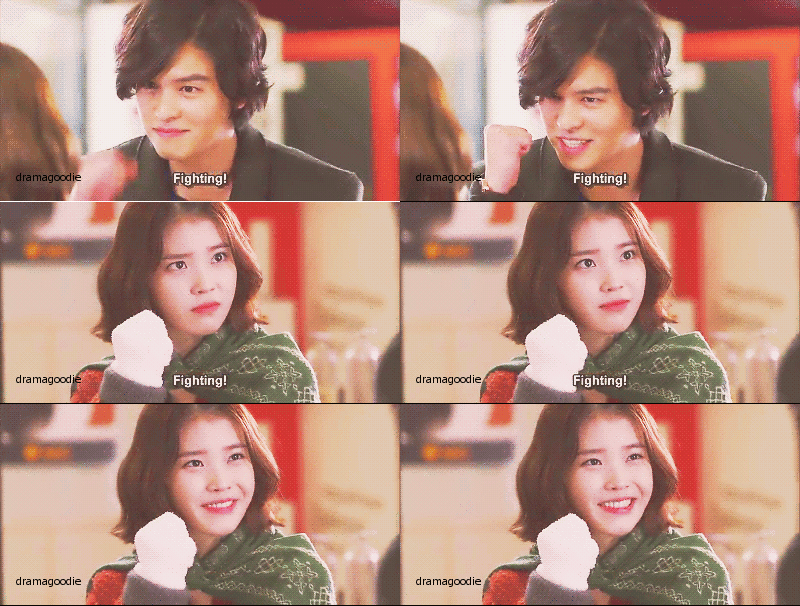
“Fighting!”
Usually pronounced 鈥淗witing!鈥� This is how characters encourage each other. It can mean 鈥淚 believe in you鈥� or 鈥淵ou can do this鈥�. It鈥檚 always so emotional to hear them say this.聽聽