When it came in March 2014, no one knew what it was.聽
At first, everyone thought it was malaria because of the fevers and aches. Some said cholera because the rainy season means cholera season. But cholera doesn鈥檛 leave people bleeding to death from their mouths and noses.
Others thought it was just isolated cases of people getting poisoned, but if there鈥檚 anything Gloria鈥檚 life has taught her, it鈥檚 that nothing is a coincidence.
A teenage Gloria was living in Liberia鈥檚 capital, Monrovia when the rumours of war began in late 鈥�89. Charles Taylor, who had just moved to Cote d鈥橧voire in December, was starting an uprising to topple the government of his former boss, Samuel Doe.
When war comes, families are scattered in every direction, scampering for safety, like lizards when a hawk descends.
Gloria鈥檚 parents asked her to gather all the other children in the family, and take them out of the country by road until things became certain. Gloria and the children travelled through dense forests and harmattan dust roads to the North of Liberia. Her sister headed east to Freetown, Sierra Leone, a country that was itself less than eighteen months from their own civil war.
On the 23rd of December, Gloria reached a Liberia-Cote d鈥橧voire border town in Nimba County, the biggest of Liberia鈥檚 15 counties.
On the Ivoirien side of the border, another exodus was happening, led by Charles Taylor, and by the dawn of Christmas eve, Charles Taylor re-entered Liberia forcefully with 100 rebels. Waiting with their allegiance were thousands of people from Liberia鈥檚 Northern tribes 鈥� the uprising was alive. Doe鈥檚 government responded by sending two battalions of the Armed Forces.
And so, the First Liberian Civil War began, with Gloria and the children trapped in unfamiliar territory, surrounded by strangers. Gloria, the oldest of the pack, was 15.
It took a ceasefire in 鈥�95 and an election in 鈥�97 for Gloria and her family to return home. Charles Taylor, the rebel leader she met at the border, was now President of the new government.
That year, Gloria returned home to Monrovia, not just because it was now safe, but because she鈥檇 finally graduated from high school. She was 23. But as she returned home to reunite with her family, she was carrying a virus in her, one she went on to infect her entire family of nine with 鈥� chickenpox.
Every infection, conflict or rumour of conflict since then has met a vigilant Gloria.
When Liberians finally had a name for this new 鈥榯hing鈥�, the virus had begun to spread, and by the end of March 2014, Liberia had confirmed its first two cases of Ebola.
While Ebola travels by physical contact with the bodily fluids of the infected, fear has no such physical limitations. Entrances of homes had chlorinated water for handwashing on entry or exit. Hand sanitisers were lifestyle essential. But this came too late for some people.
Because some of the first symptoms of Ebola are malaria-like 鈥� fever, pains, fatigue, aches and a bad appetite 鈥� some of the earliest infected were healthcare workers. They approached these first Ebola patients, touching them with the assumption that it was a familiar sickness. By mid-June, the first known deaths in Monrovia had occurred as a result of the virus 鈥� of the seven people who died, one of them was a nurse, including four other members of her household, one of them a baby.
In July 2014, Gloria had to see a doctor for pain unrelated to Ebola 鈥� it was a sharp pain travelling up and down her spine. To get specialist care, she had to travel to Tapeta, a small town over 300 kilometres from home, somewhere in Nimba County. It was going to be a short trip, but still, she worried about leaving Cherry and Blooming behind 鈥� Cherry鈥檚 her niece, and Blooming is Cherry鈥檚 daughter.
Blooming was born in 2011 with congenital glaucoma, a condition that caused raised pressure in her eyes. All vision is currently impaired.
Cherry鈥檚 mother had heard about an eye doctor in Ganta and thought it鈥檇 be a good idea to seek help for Blooming鈥檚 eyes.
鈥淗aven鈥檛 you heard that it has reached Ganta,鈥� Gloria said before heading for Tapeta, 鈥渨hy don鈥檛 we wait till it鈥檚 safe?鈥�
A few days later, Cherry called. 鈥淚鈥檓 calling to check on you,鈥� she said, 鈥渂ut we鈥檙e in Ganta. Mama told us to go to Ganta to see the eye doctor.鈥�
And as Gloria worried about their safety over the phone, Cherry tried to reassure her, 鈥淎unty, if I鈥檓 the only one, then Ebola won鈥檛 reach anyone.鈥� Cherry, Gloria鈥檚 darling niece, was a hermit who barely socialised.
鈥淭ake care of yourself and the baby,鈥� Gloria said. When she returned to Monrovia, mother and child hadn鈥檛 returned from Ganta.
Ganta is an ambitious city of fewer than 50,000 people, just south of the Guinea border. It鈥檚 also the second-most populous city in Liberia.
There are multiple accounts about how Ebola reached Ganta. One account says that in July, a street vendor went visiting in Lofa County and returned sick. After spending a few hours at the clinic upon his return, he was discharged.
Later that day, a woman took her pregnant daughter to the hospital. The pregnant daughter was admitted on the bed the street vendor had been on, while her mother sat next to her.
Eventually, the street vendor, the mother, and 14 members of her family died from Ebola. As Ebola divided the living from the dead, so did it divide little Ganta. People on one side of the road stopped crossing to the side of the road . It remained that way till November 2014.
Another account says that a boy was home visiting from Lofa County. 鈥淭he boy brought Ebola home to his mother who cared for him, not knowing it was Ebola,鈥� a contact in Ganta told Gloria. He eventually died, and his mother had him buried. Shortly after, she came down with the illness and also died. She wasn鈥檛 just anyone, she was a banker with significant clout across Ganta. People across the town showed up for her burial 鈥� many of them believed she was poisoned.
In their time at Ganta, Cherry and Blooming stayed in the banker鈥檚 compound as a guest of one of its many occupants. When she eventually called Monrovia, Cherry鈥檚 first words were 鈥淎unty, I鈥檓 sick, and I鈥檝e never felt this sick in my whole life.鈥�
The pain cut Gloria in half.
Cherry is the first grandchild of her family. Her mother had her just before she went to college, and thus, her care became someone else鈥檚 responsibility. That someone else was Gloria, and although she was quite young herself, everyone thought she was Cherry鈥檚 mother 鈥� she in fact raised Cherry like her own daughter.
鈥淗ow is Blooming?鈥� Gloria asked.
鈥淲e鈥檙e about 11 in the house,鈥� Cherry said, 鈥渆veryone is sick.鈥�
Everyone except Blooming.
In August, Nigeria got its first death from the virus that later infected 20 people and killed 8, including , the lead doctor who treated the index case. According to , 142 new cases and 77 deaths were recorded in less than three days in August across Guinea, Liberia, Nigeria and Sierra Leone. Less than two weeks earlier, the organisation had declared Ebola in West Africa a public health emergency of international concern. On August 6, two days before, the President of Liberia declared a state of emergency.
All attempts by Gloria and her family to find an ambulance available to go to Ganta failed. Emergency services were overwhelmed. Eventually, they found a cab willing to make the 300-kilometre trip.
Her brother-in-law, a doctor, wasn鈥檛 going to let her take the trip. Gloria later said, 鈥淭hey said my B.P. was too high, so he went with his wife 鈥� my little sister Rose 鈥� and the driver.鈥�
Cherry was already so weak when they reached Ganta, that she had to crawl into the car herself 鈥� no one could help her, because no one could touch her. A man in that compound in Ganta was looking after Blooming as Cherry got sicker. He eventually passed away from Ebola, and his name was Jerry.
As the cab headed back to Monrovia, Cherry sat quietly as always, with Blooming on her lap. The doctor urged her to drink water and stay hydrated. 鈥淐herry, please be strong,鈥� Gloria texted. 鈥淎s long as you reach Monrovia, you鈥檒l be fine. Everything will be fine.鈥�
On the 8th of August, upon entering Monrovia, Cherry and Blooming were immediately admitted into the Ebola Treatment Unit. From this point on, she no longer had access to a phone.
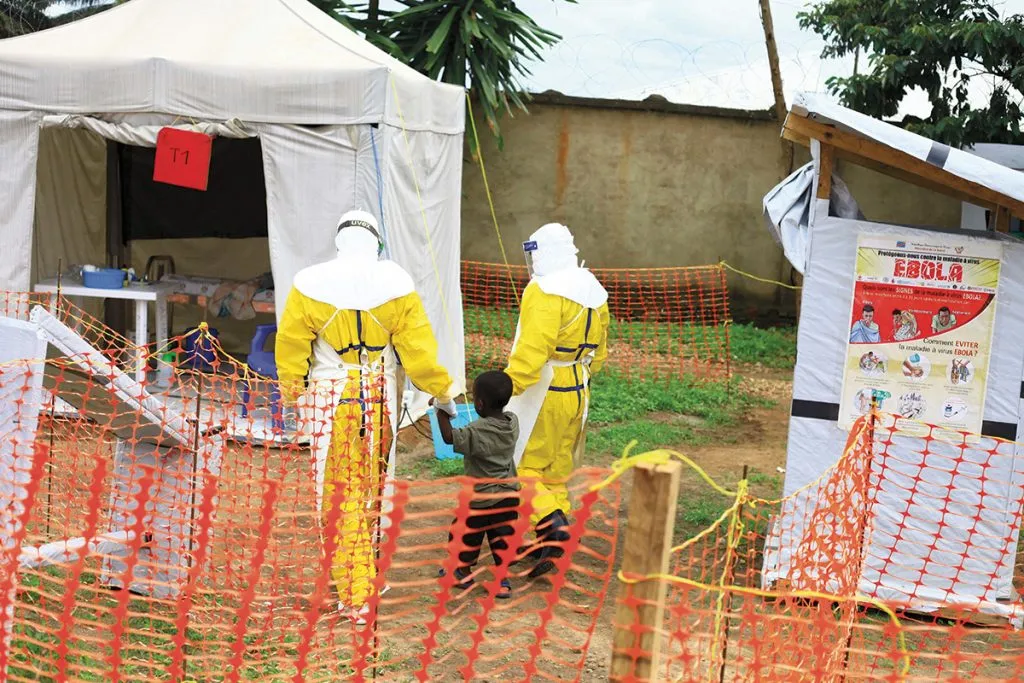
The next morning, Gloria and the family headed to the ETU. The tents were surrounded by a red, mesh fence, a boundary between the agonising pain of the sick, and the gut-wrenching anxiety of their loved ones.
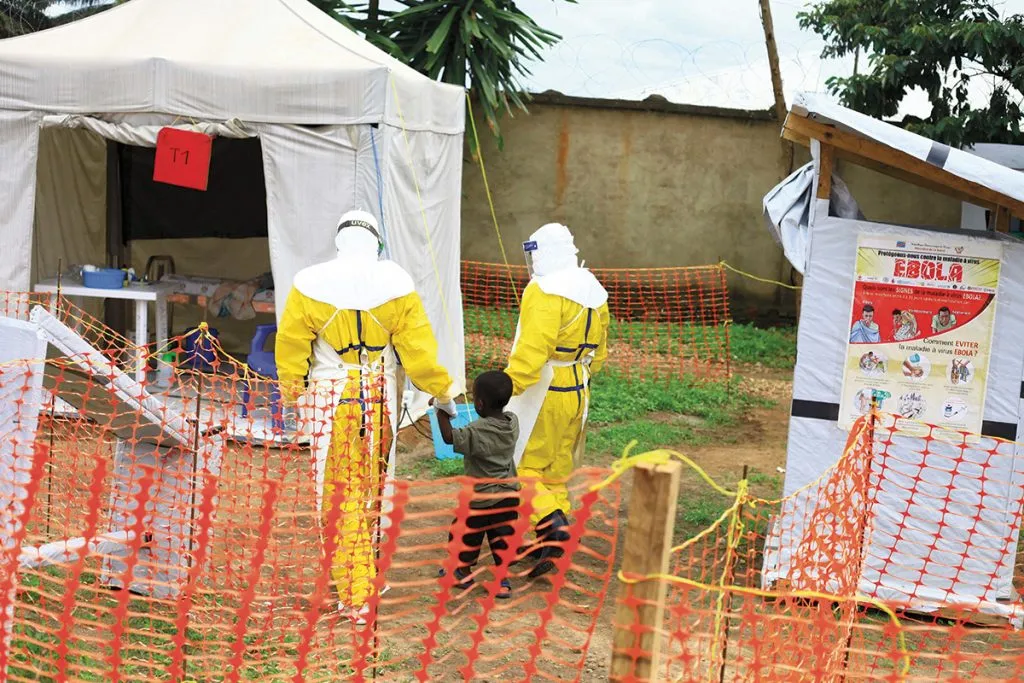
Every day, the bodies kept coming and getting dumped, some dead, some all but dead.
鈥淐herry are you there? Can you hear me?鈥� Gloria would shout.
A sick man came out of an SUV he鈥檇 driven himself and entered the ETU. He was never seen again.
鈥淚鈥檓 here. We鈥檙e here. We鈥檙e praying with you!鈥� she鈥檇 shout another day.
A family of five entered the ETU, holding hands in a single file. They were never seen again.
鈥淣urse, help me, please. Cherry 鈥� she鈥檚 a soft child. Help me 鈥� make sure she eats. Please.鈥�
鈥淵our daughter is getting weaker by the day,鈥� the nurse said. 鈥淏ut the baby 鈥� the baby is here. The baby is fine.鈥�
It was Sunday the 24th of August before they saw Blooming again. A doctor in a hazmat suit came outside, Blooming in hand. She had no clothes on, only diapers. The doctor raised Blooming as high as his arms could let him. 鈥淪he鈥檚 okay, nothing has happened to her.鈥�
鈥淔ine. What of Cherry?鈥�
The doctor turned around and went back in.
鈥淗ow is Cherry?鈥� Gloria asked the next doctor she saw. The response was silence. When the third doctor came out, her brother-in-law had had enough.
鈥淗ere鈥檚 my medical licence,鈥� he said, 鈥渃an I go in? Whatever happens, is at my own risk.鈥� They agreed, he geared up and went in.
When he came out almost thirty minutes later, he was alone. He walked up to them, Rose and Gloria, hugged them tightly.
鈥淟et鈥檚 go home. We鈥檝e lost Cherry.鈥�
Cherry Adikwu passed away after 17 days of fighting Ebola in the ETU. Her body was cremated the next day.
Early in August, Liberia鈥檚 Health authorities had issued a directive that the bodies of all the people killed by the Ebola virus be cremated instead of buried. After Ebola has killed a person, the body of the deceased remains contagious for .
When they saw Blooming again on the 25th of August, a doctor in a hazmat suit held her to her chest, again with no clothes.
鈥淲e鈥檝e tested this girl three times,鈥� the doctor said. 鈥淲e鈥檝e sent her blood to Belgium, and all the results say the same thing 鈥� she hasn鈥檛 caught the virus. We can no longer continue to keep her.鈥�
And so it was that Blooming, who stayed in a house in Ganta where 11 people got sick, came back to Monrovia sitting on the laps of her sick mother, staying in the ward surrounded by the sick, somehow stayed immune to the virus.
She was there, as the virus travelled in the bodies of those around her, forcing their cells to explode, damaging their organs from the inside, and making them bleed from their eyes, ears, mouth, nose, and even give bloody diarrhoea. Blooming was there, seated, and unable to see anything when her mother breathed her last.
She was in the thick of it all, and she came out unscathed.
A of Ebola survivors found that while some people came in contact with the virus and recovered, another group who came in contact with it never got infected at all. The women in the study 鈥渁re phenomenal women who have had a horrendous story to tell,鈥� Prof Miles Caroll told Guardian UK.
Prof Miles Carroll is a virologist and Head of Research, National Infection Service, Public Health England. The team studied 60 women, including 25 from Gu茅ck茅dou, the town in Guinea where the West African wave is believed to have started with a 2-year-old boy. The women in the study, despite cleaning up after the sick and caring for them, never got infected. The study suggests that it鈥檚 in their genes, and it appears that Blooming鈥檚 case fits.
When Blooming returned home, she returned to a Liberia that was paranoid and on the edge. On the 18th of August, a mob in West Point, Monrovia鈥檚 biggest ghetto, had descended upon an Ebola clinic in their neighbourhood, protesting its very presence there. Protests quickly turned violent, leading to the looting of the clinic and the eviction of everyone inside, including the infected. There were real fears that protesters might have gotten infected.
By the next day, the Liberian government had quarantined West Point and President Sirleaf Johnson had declared a nationwide curfew. By the 22nd, violence broke out again, with the armed forces firing at protesters, killing one teenage boy, and injuring others.
Closer to home, Blooming鈥檚 household was ostracised by the entire community. No one was taking cash from them, the church community wanted nothing to do with them, and they weren鈥檛 allowed into the markets.
No one wanted anything to do with a family whose child had returned from the ETU. 鈥淭his is when I knew that Ebola had really hit us Liberians,鈥� Gloria said.
The next few months were the hardest. Gloria鈥檚 contract at the NGO she worked for had expired in July, and she didn鈥檛 renew it. Her mental health depreciated as the weeks went by as she was plunged into shock first, then depression. Her hypertension worsened.
In November, President Sirleaf lifted the state of emergency in the country. That same month, Gloria moved out of her family house with Blooming, to a new neighbourhood where no one knew about her or the little one. It was also around this time she began calling Blooming by another name: Miracle.
鈥淪he was such a strange child,鈥� Gloria said, almost trembling, 鈥渟he鈥檇 sometimes wake me up in the middle of the night. And hug me, and say it鈥檚 okay.鈥�
2015 was when Gloria decided to give life a chance again, 鈥渇or Miracle鈥�. By April, she got a job working at an NGO, four times less than what she used to earn. But she needed to be with people, and thus, her office became her healing ground.
To fulfil her need for closure, Gloria held a memorial service for Cherry on August 24th, 2016, two years after she passed. She invited family and friends, with a blown-up portrait of her surrounded by roses.
鈥淟ike a proper burial,鈥� Gloria said. Every second Wednesday of March since then, she鈥檇 buy helium-filled balloons, write little notes in them to Cherry, and release them. Across Liberia, this is called Decoration Day, a national festival Liberians have marked since 1916, where they refurbish the graves of their deceased, clearing away the bushes and cleaning the headstones.
Other times, she鈥檇 buy roses, drive to a river 鈥� any river 鈥� and leave the roses there. On the , Liberia was declared Ebola-free.
Their biggest hurdle now is Miracle鈥檚 vision. Glaucoma has no cure, but treatment is possible to slow down further damage and prevent permanent vision loss. Despite her right eye being in better shape, the race to restore Miracle鈥檚 vision is a race against time.
While Gloria struggles to find funding, these days you鈥檒l find Miracle, now 9, in grade school. Whenever she doesn鈥檛 show up at her school for the visually impaired, her classmates come to the house to see her, huddled together. She鈥檇 crack jokes with them, mostly mimicking Gloria鈥檚 speech.
Keep your sweets, she鈥檒l pass, but in true Liberian fashion, she never turns down Rice and Torborgee or Palava sauce.
When music is playing, she sits quietly, absorbs, and sings it later while rocking her tambourine. On Sundays in church, she hangs around the drumset 鈥� she loves the bass drum the most.
If she feels your presence and likes you, she鈥檒l walk up to you, feel your palms, and ask for your name. When you ask for hers, she鈥檒l say, 鈥渕y name is Bloomingdale Miracle Adikwu.鈥�