Ibadan means different things to different people. For some, it is the . For some, it is Nigeria鈥檚by geographical area. For others, it is the . For many people, however, it is one of the most affordable places to live in Nigeria. So, I asked 6 people about their expenses while navigating the city. These are the answers I got.
Yinka, 26 years
“I think accommodation is becoming more expensive in Ibadan. A little while ago, I could have gotten my apartment for 鈧�400,000. That said, I think I鈥檓 more intentional about comfort now and that鈥檚 why I鈥檓 spending more than I used to spend.”
Occupation: Software Engineer
Monthly income: 鈧�750,000
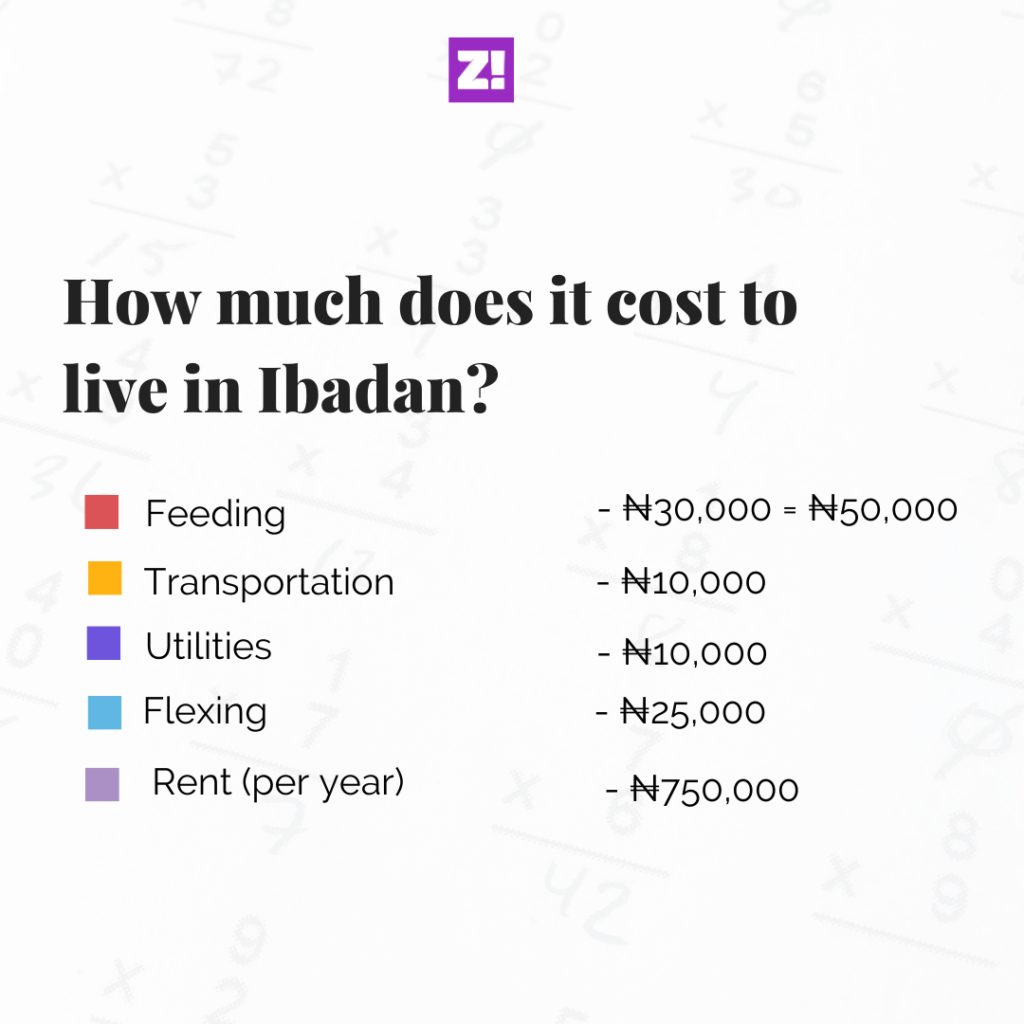
Feeding: 鈧�48,000 in months when my sister is away at school. I work for long hours and don鈥檛 always have time to cook, so I spend an average of 鈧�1,600 per meal. 鈧�30,000 in months when I don鈥檛 eat out and cook.
Transportation: 鈧�10,000. I spend 鈧�2,500 on fuel every week. However, I haven鈥檛 been going to the office much since the pandemic. Before I got my car, I spent 鈧�300 on cabs on my daily commute. That ran into 鈧�6,000 every week.
Accommodation: 鈧�500,000 for a two-bedroom apartment at Are, Bodija. It can go as high as 鈧�700,000 to 鈧�800,000.
Utilities: My power bill every month is 鈧�10,000. Waste and other service fees have been charged to the rent. I do my laundry myself.
Flex: My budget is 鈧�25,000 per month. I go out about two times a month and the damage ranges from 鈧�5,000 to 鈧�13,000, depending on who I go out with.
Fola, 37 years
Occupation: Export Consultant
Monthly income: Between 鈧�125,000 and 鈧�150,000. I work for myself and the kind of deals I do determines what I make. Sometimes, I make 鈧�250,000. At other times, I struggle to make聽 鈧�30,000.
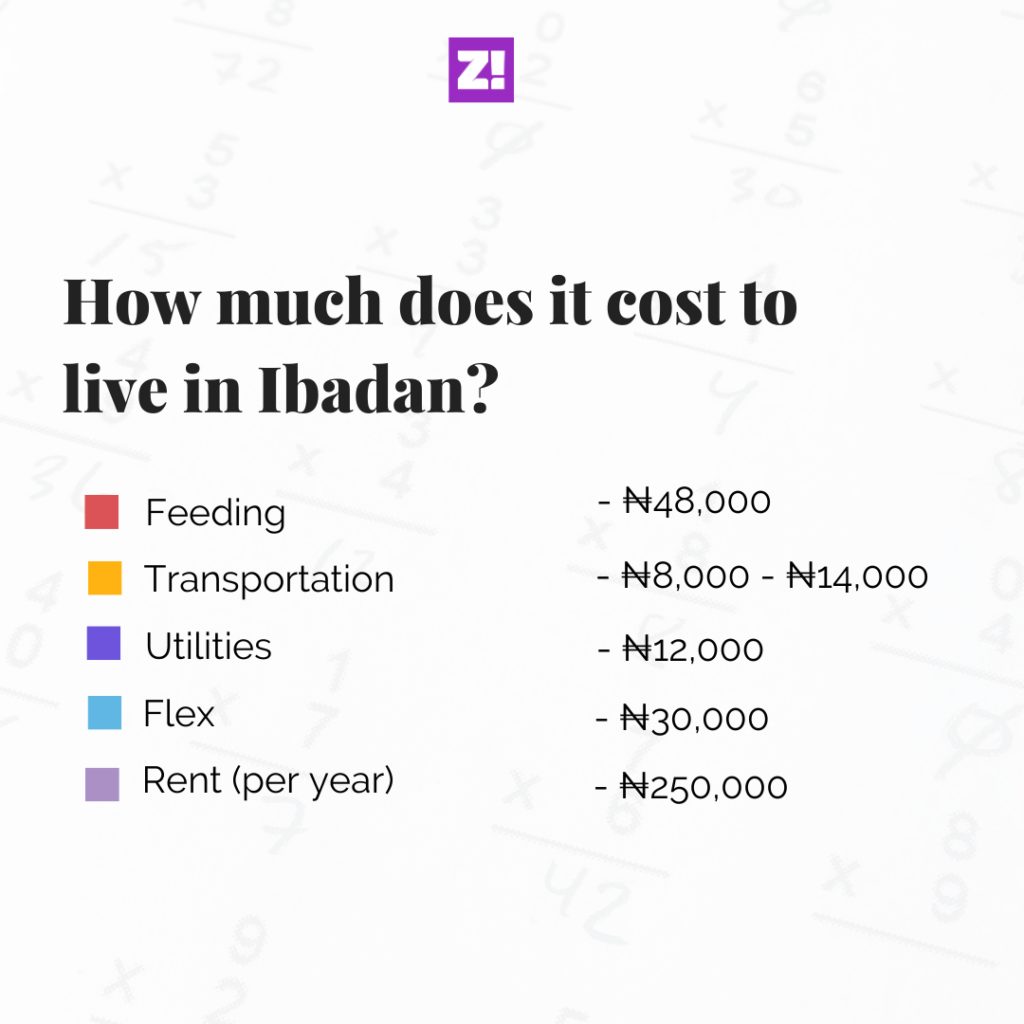
Feeding: 鈧�48,000. I barely eat out. I shop at Bodija Market and and spend about 鈧�18,000 on beverages and toiletries every month. I don鈥檛 buy foodstuffs. My girlfriend cooks for me and I give her about 鈧�30,000 every month.
Transportation: Between 鈧�8,000 and 鈧�14,000. I spend 鈧�500 on Okadas everyday. On days when I order for a ride, I spend 鈧�1,200 on each trip.
Accommodation: My rent is 鈧�250,000 per year. This gets me a 2-bedroom apartment in Elebu, Oluyole Extension.
Utilities: I pay between 鈧�3,000 and 鈧�6,000 on power every month. However, an additional 鈧�2,000 goes because the power poles crash to the ground every time. I pay 鈧�2,000 to dispose of waste every month. I have a washing machine at home but I don鈥檛 like ironing, so I give it out. That costs 鈧�2,000.
Flex: I estimate that to be 鈧�30,000, I typically go out with a few friends and down one or two bottles, throw in a random girl and have fun for the night.
Ade, 27 years
“Compared to Lagos, living in Ibadan gives you peace of mind and won’t rob you of your money. The transportation system is better — there is hardly a struggle to get vehicles or traffic.”
Occupation: Training and Research Officer at a consultancy firm.
Side hustle: Fashion Design
Monthly income: 鈧�120,000 from both sources.
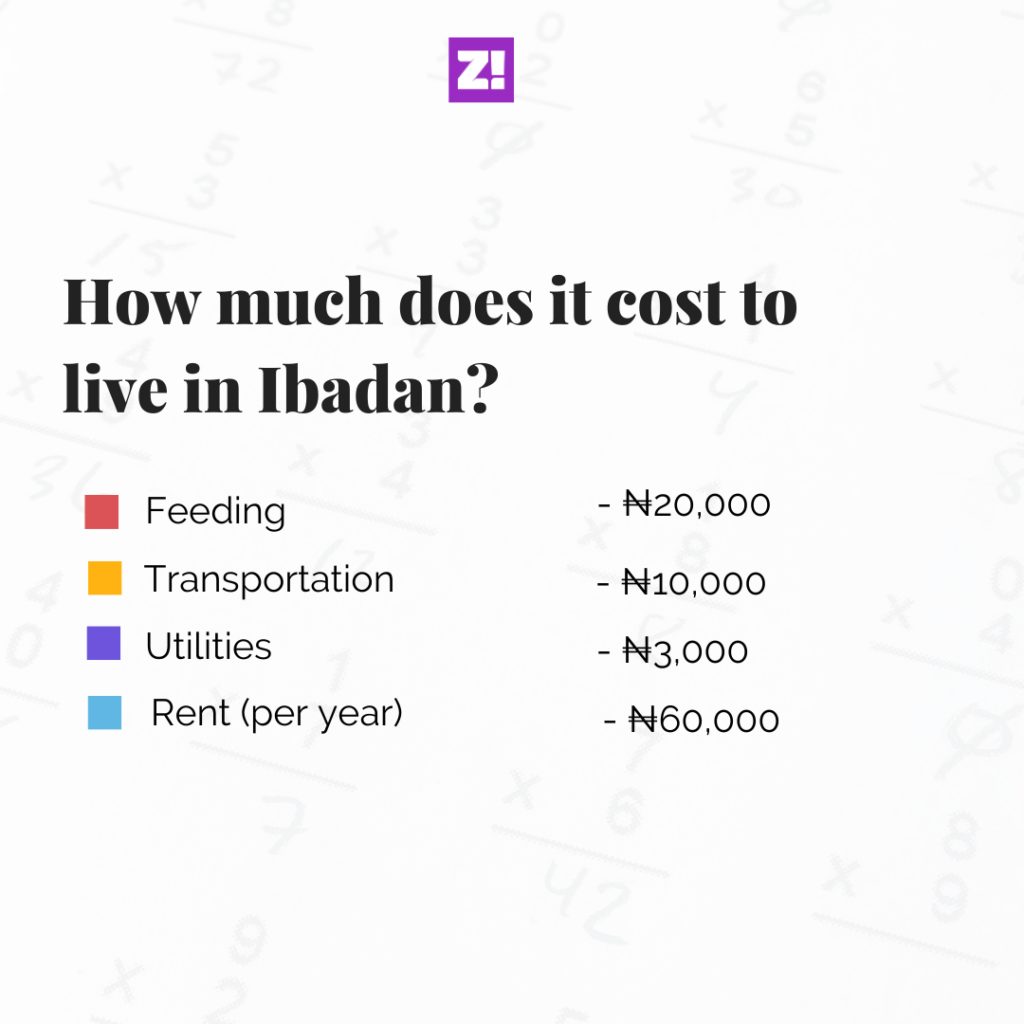
Feeding: 鈧�20,000. I stock my house with food at the beginning of each month. On months when I buy 1/4 bag of rice, it increases to #30,000. I shop for food at Sango, Bodija or Oja Oba markets. My budget gets me the basics (5 litres of oil, 5 litres of palm oil, Semo, Beans, sweet potatoes, yam (sometimes), half pack of spaghetti, and condiments.)
Transportation: 鈧�10,000. I move around with Okadas and spend 鈧�200 naira on my daily commute, which is 鈧�5,000 every month. Other transport expenses take an additional 鈧�5,000.
Accommodation: 鈧�60,000 per year. A room and parlour apartment at Leventis, Sango-Mokola road.
Utilities: Power bill is 鈧�3,000 per month. I do my laundry myself.
Flex: I don鈥檛 have a budget for this because there are so many responsibilities.
Michi, 25 years
“I liked living in Ibadan. I thought it was a mix of the craziness of Lagos and the calm of Abeokuta. Ibadan is an affordable place to live 鈥� cab fares could go as low as 鈧�30 and other things are relatively cheap as well.”
Occupation: I was in Ibadan for my Master鈥檚 Degree program at University of Ibadan.
Monthly allowance: 鈧�50,000. I got my allowance in two or three batches. The first two batches were usually 鈧�20,000 each.
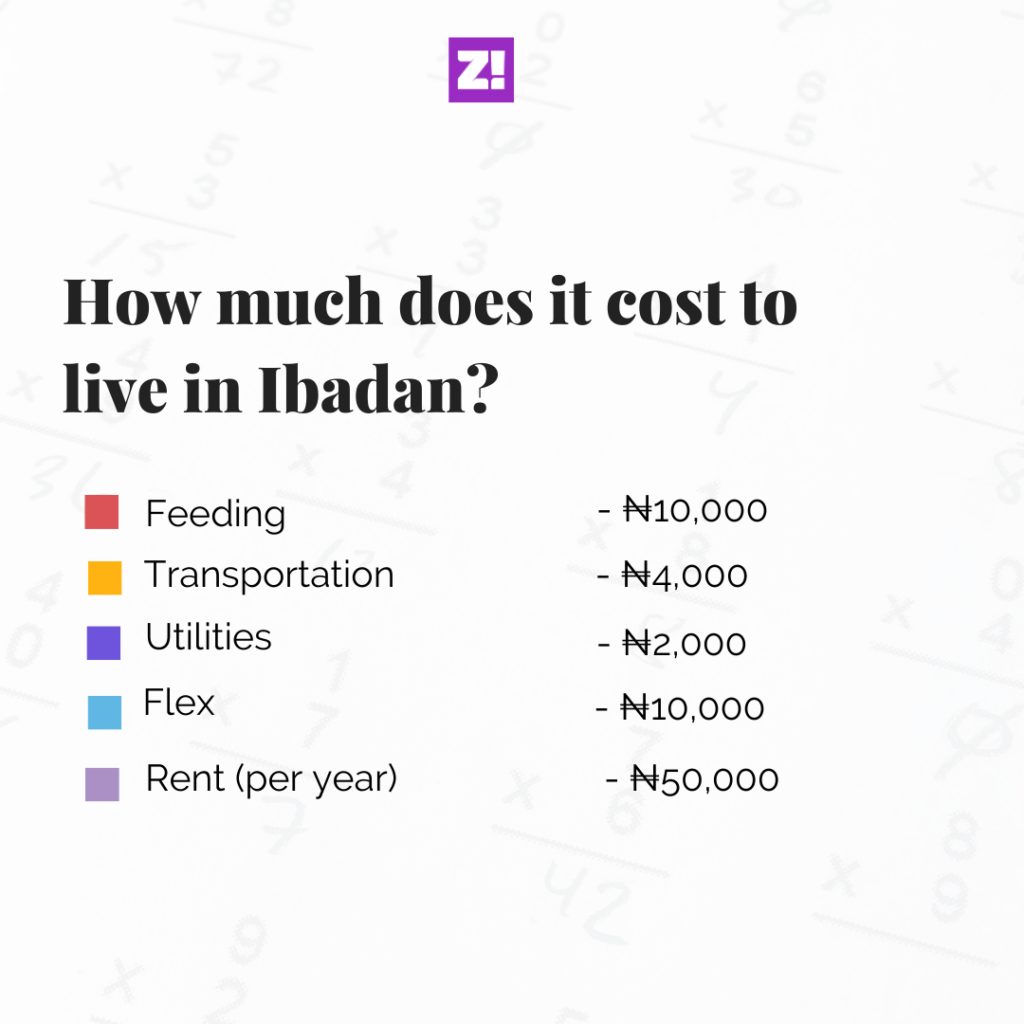
Feeding: I took 鈧�10,000 to the market every semester to buy food in bulk. I brought rice from Lagos because I didn鈥檛 trust the ones they sold in Ibadan. On weekends, I made stew. A pot of fish stew costs about 鈧�1,400. It鈥檚 鈧�1,700 if it鈥檚 chicken stew. If I wanted to make a pot of soup, I’d spend close to 鈧�3,200. If I wanted to eat out at the school restaurants, a plate of food cost 鈧�400.
Transport: About 鈧�4,000 per month. My department was close to my hostel, so I usually walked. My market runs at Bodija cost me 鈧�150 per trip. Getting myself to midweek programs at my church in Akobo cost 鈧�400. I paid more when I ordered rides to Palms Mall at Ring ROad 鈥� That was about 鈧�1,400 per trip.
Accommodation: 鈧�50,000 per session for a room of 3 people.
Utilities: The school paid for power, so that wasn鈥檛 on me. There were hostel dues 鈥� 鈧�3,200 for fresh students and 鈧�2, 700 for returning students.
My laundry was 鈧�2,000 per month. The woman in the hostel who took care of that charged according to the cloth鈥檚 size and texture.
Flex : 鈧�10,000. I could go to a restaurant at Ring Road and spend 鈧�4,000 on food, 鈧�2,500 on drinks. Sometimes, I went with dates, so we could split the bill. I went to the movies on Mondays and Wednesdays when tickets were sold for 鈧�500
Damola, 24 years
“You can always expect to get your money鈥檚 worth in Ibadan. The 鈥淐ity of Brown Roofs鈥� narrative is a lie, it doesn鈥檛 represent the city in any way. “
Occupation: I鈥檓 still in school, but I do some freelance work.
Monthly income: 鈧�60,000
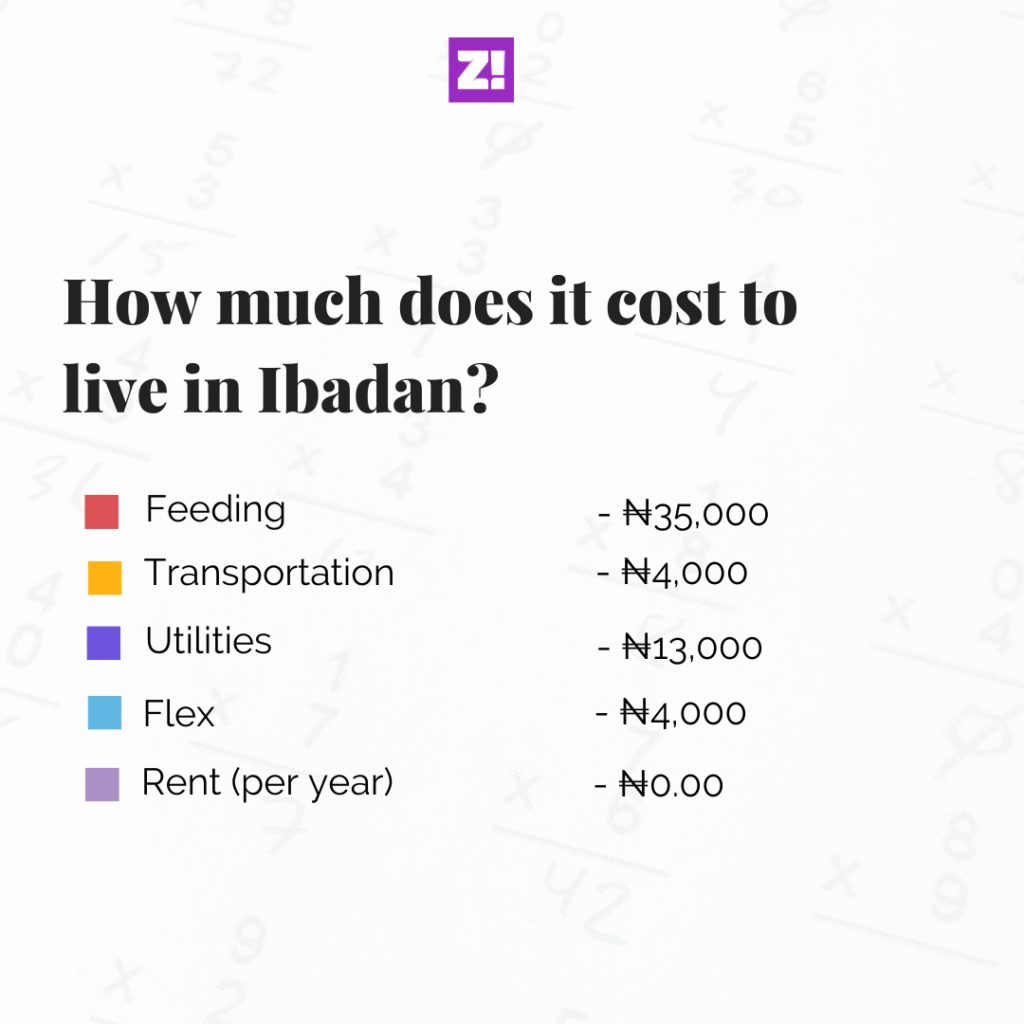
Feeding: 鈧�35,000. I shop at Gbagi Market and Brent Supermarket. Sometimes, I make orders from Jumia.
Transportation: 鈧�10,000. This used to be higher, but I鈥檝e been working from home for a few months now.
Accommodation: I don鈥檛 pay rent. I live with my brother at Adegbayi, close to the local Airport. To get a two-bedroom apartment in the area, you should expect to spend 鈧�120,000. Maybe even less.
Utilities: Power bill takes 鈧�10,000. Security fee is 鈧�3,000. There is a washing machine, so I don鈥檛 spend money on laundry.
Flex: 鈧�4,000. My brother and I go out twice a month. Flexing for me is ordering food when I鈥檓 not in the mood to cook.
Savings: I save 20% of my total earnings per month. I save an additional 鈧�300 every day on a savings app 鈥� that usually pays for my data.
Kolapo, 34 years
“People don鈥檛 live to show-off in Ibadan, which makes it easy to live within your means. The city helps you to stay low-key.”
Occupation: Social worker at a state hospital
Monthly income: 鈧�143,000
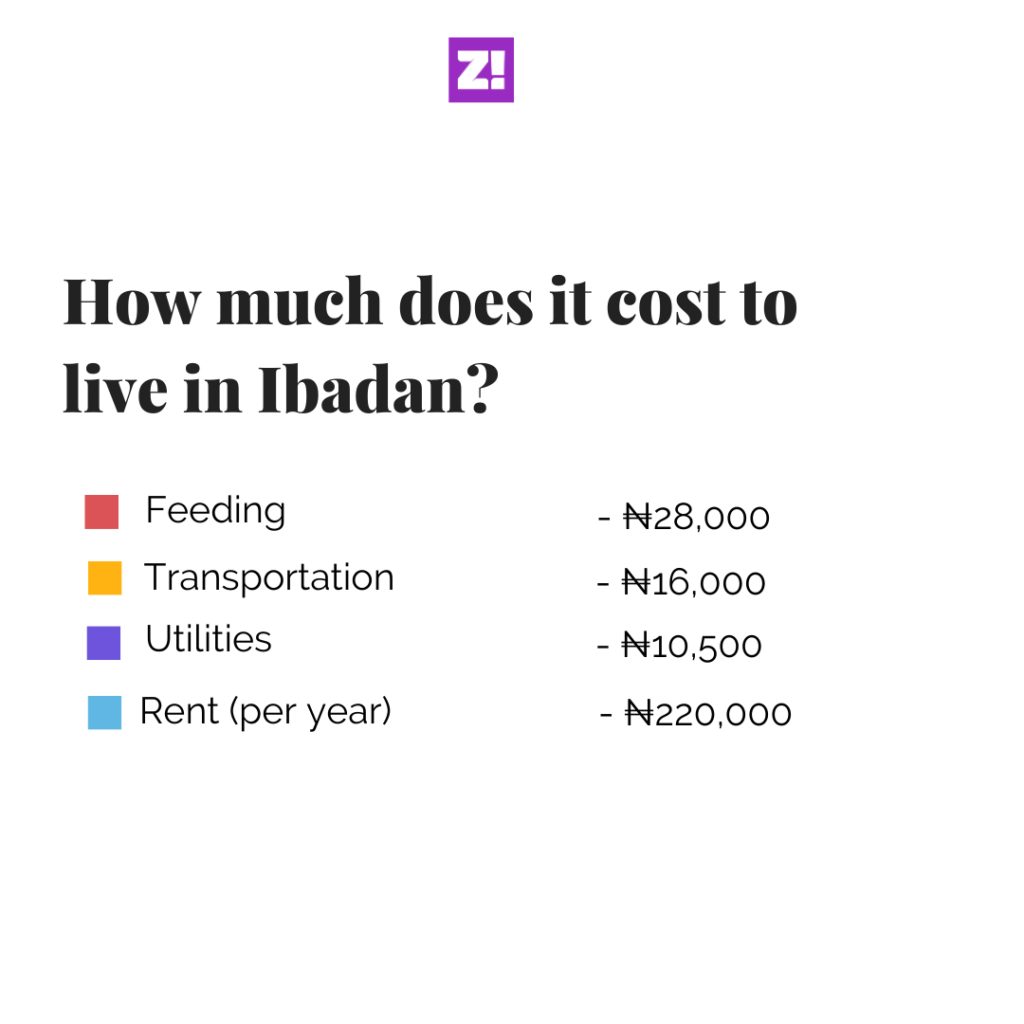
Feeding: I eat out and cook at home. When I eat out, 鈧�700 gets me 2 wraps of Amala and 1 piece of assorted meat at Ola mummy or Rice and mini chicken at Foodco. I make sure to bring my bottle of water with me. Ain鈥檛 paying 鈧�200 for that, abeg.
I go to Bodija market with 鈧�20,000 and it gets me 5 congos of rice, 5 congos of garri, 1 congo of beans + condiments and beverages.
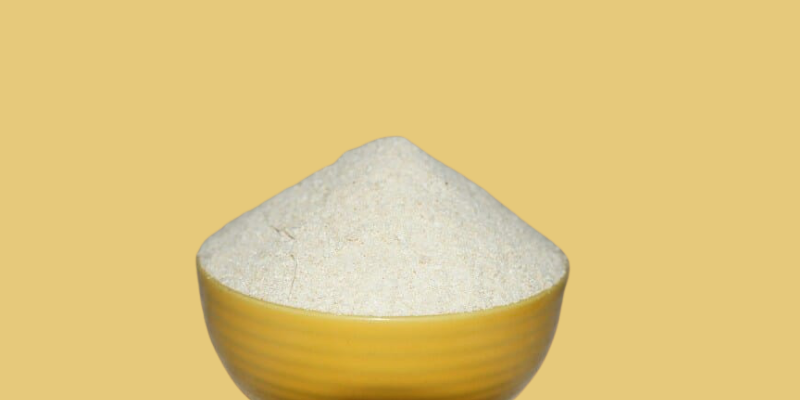
10 tubers of yam cost about 鈧�3,000 the last time I bought some. Additionally, I spend 鈧�2000 on a pot of stew every weekend.
Transportation: 鈧�16,000. I have a car and it costs 鈧�4,000 to fuel it every week. I don鈥檛 go out a lot so I get to conserve fuel. Although, I鈥檝e stopped tracking fuel prices since it shot up.
Accommodation: 鈧�220,000 per year for a room and parlour self-contained apartment at Old Bodija. Apartments like mine could go as high as 鈧�350,000.
Utilities: 鈧�3,000 for power bill. 鈧�1,500 for the waste bill. I also pay a landlord鈥檚 association fee, but it鈥檚 charged per year 鈥� 鈧�24,000. My laundry is picked every two weeks but the bills don’t go higher than 鈧�3,000.
Flex: I don鈥檛 do that as often as I used to. I was at the mall recently with a friend. We watched a movie, bought some food and ice cream and the damage was 鈧�6,300.