Financial comfort in Lagos, a city known for its and fast-paced lifestyle, is influenced by multiple factors.
While 鈧�100k might be a fairly comfortable figure for a single NYSC member who lives and works in Ikorodu, it might barely scratch the surface for a family of three in Ikeja or the 9-5er who lives on the mainland and braves the daily Mainland-Island commute for work.
So, what鈥檚 the magic number? What salary can actually make life in Lagos feel comfortable? In this article, we鈥檒l dive into the numbers and explore what it takes to live your best life in Nigeria鈥檚 bustling economic hub.
But first, what does it mean to be financially 鈥渃omfortable鈥�?
Defining 鈥淐omfortable鈥�

While a comfortable salary is subjective and primarily based on individual needs and lifestyle, a salary can be generally considered comfortable if it allows for a good quality of life without significant financial stress.
The level of comfort obtainable, however, differs across income categories, lifestyle and household size. Finance analyst explains this below:
- Borderline Poor/Basic Comfort: This category earns within the 鈧�70k – 鈧�100k/month range. While they can afford the essentials like rent or food, they are not without financial stress. The most affordable single room in Lagos costs an estimated , which is about 鈧�16k – 鈧�23k of the individual鈥檚 monthly income going to rent alone. This leaves them with around 鈧�50k – 鈧�70k left to figure out food, transportation and the bare utilities.
- Lower Middle Class Comfort: This category earns within the 鈧�150k – 鈧�300k/month range. They can afford essentials like rent and food, but often have to supplement their income with tips or loans.
- Upper Middle Class and Entry Level Rich or Affluent Comfort: These two categories earn above the 鈧�500k/month mark (usually within the 鈧�10m – 鈧�100m per annum range) and are lumped together because they can afford to go beyond essential expenses to consider travel, prioritise a better quality of life and other expensive lifestyle choices.聽聽
How Lifestyle Choices Impact Comfort
According to Onome, spending habits also vary across the income categories, and these lifestyle choices play a huge role in the comfort levels of the individuals in these categories. Single people tend to have a higher propensity to spend compared to families. However, some families have a bigger pool to spend from, especially dual-income households.
For the average Lagos household, the bulk of expenses are food and transportation, with between 50% and 70% of the salary going to both categories jointly. The split between both buckets varies depending on household size and lifestyle choices.
Food quality also differs from one household to another and across comfort levels. With constantly increasing, it means more people are limited to the food options they can afford, regardless of whether their nutritional needs are met. So, while a growing child needs protein like chicken and eggs for brain development, he might have to settle for crayfish if his family can’t afford 鈧�8k for a crate of eggs or 鈧�5k for a kilo of chicken.
Beyond food, transportation and rent, priorities start to change depending on demography. Households with young kids spend a chunk of money on tuition. For these households, comfort might mean letting go of expensive housing to afford better schooling options for the children.
The upper middle class can afford travel, but depending on priorities, they can consider cheaper alternatives, like local destinations, to overseas travel. So, there is comfort, but it is subject to multiple factors.
5 Lagos Residents on What Salary Feels Comfortable
33-year-old male civil servant living in Badagry
Salary: 鈧�95k/month
What鈥檚 your current living situation? I live in a rented 鈧�200k/year one-bedroom apartment with my wife and toddler. My workplace isn鈥檛 far from where I live, so I walk 15 minutes to and from work.
I have the option to take a 鈧�200 keke in the morning (it sometimes increases to 鈧�250 in the evenings), but it feels like a waste of money. That鈥檚 almost 鈧�10k on transportation at the end of the month. I can鈥檛 afford that.
Can you break down your typical monthly expenses? I give my wife 鈧�10k weekly for food, so that鈥檚 like 鈧�40k/month. She often complains that it鈥檚 not enough, but she makes it work.
Then, I contribute 鈧�20k/month to my ajo group to save for rent. Last year, I took a loan from work to support my brother in buying an okada, so I repay 鈧�15k every month and will finish all payments in August. I use the remaining money to buy snacks at work or toys for my toddler.
Most of the time, I鈥檓 broke by the middle of the month, and I have to borrow money from my wife, who鈥檚 a teacher. I don鈥檛 usually pay her back, but she does the same to me, so it鈥檚 fine.
Do you feel financially comfortable? No, I鈥檓 far from comfortable. After repaying this loan, I plan to take another one to buy a keke so I can use it for business. If I make an additional 鈧�100k monthly, I should be okay.
RELATED: 6 Nigerians Earning Between 鈧�30k and 鈧�4m Open Up About the Lives They Can Afford
27-year-old female teacher living in Ikotun
Salary: 鈧�70k/month. Online tutorials bring this to 鈧�120k/month
What鈥檚 your current living situation? I live with my husband and his sister in a two-bedroom apartment that we rent at 鈧�600k/year. I teach at a school an hour from my house and often use public transportation. Other times, I hitch a ride with my colleague who lives a bus stop from my house and walk the rest of the way home.
Since I鈥檓 married, I don鈥檛 have to worry about rent, utility bills, or a significant chunk of food expenses. My sister-in-law is in secondary school, and I often assist my husband with her tuition and day-to-day needs like toiletries. But most of my income comes back to me.
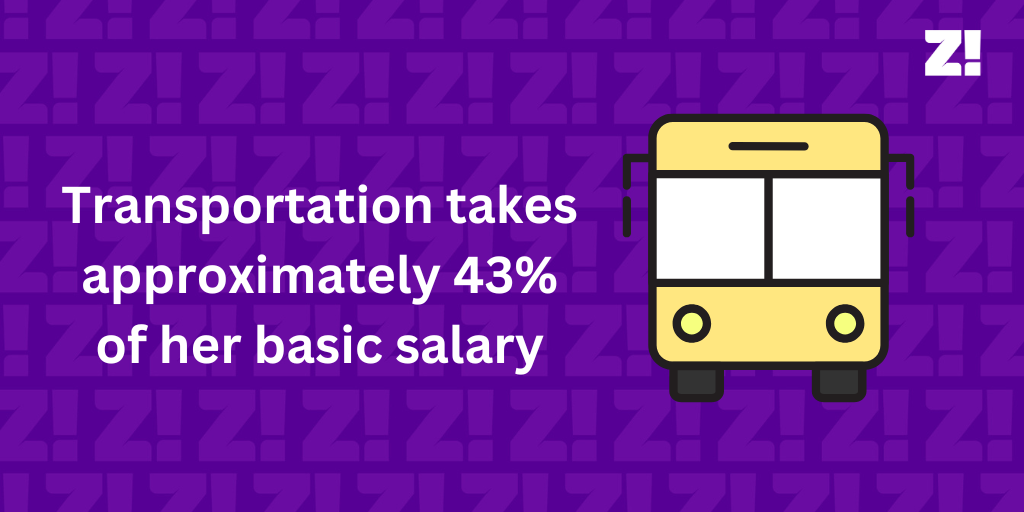
Can you break down your typical monthly expenses? Transportation comes to 鈧�30k/month, and I spend 鈧�15k monthly on data. Then, about 鈧�30k on personal expenses like skin care and hair.
I give my sister-in-law a 鈧�1k stipend for school transport and lunch every weekday, so that鈥檚 like 鈧�20k. Her tuition is 鈧�80k, but that鈥檚 every three months and sometimes my husband pays. Another 鈧�25k/month goes into supporting food expenses, usually when my husband is broke.
I try to save 鈧�20k with a savings app, but I鈥檓 not consistent with that because by the time I remember to save, money has finished.
Do you feel financially comfortable? Not at all. I鈥檓 only surviving because my husband pays my bills. If not, I鈥檇 probably be living hand to mouth. I can鈥檛 even afford to put my parents on a consistent allowance. I only send them money when they ask. I need to earn like 鈧�400k to feel reasonably comfortable.
26-year-old female banker living in Ikorodu
Salary: 鈧�600k/month
What鈥檚 your current living situation? I live with my elder sister in her apartment. Neither of us drives, so we use public transport. We hardly ever cook; we just order in. It鈥檚 not cost-effective, but no one has the strength to do anything after a long day at work.
I earn more than most people I know, but I don鈥檛 know if I鈥檓 financially responsible for just myself, because the black tax is crazy. The billing from my parents is quite significant.
Can you break down your typical monthly expenses? 10% goes to my tithe. Then, I send at least 鈧�60k monthly to my parents. I spend 鈧�210k on transport and feeding. Sometimes, emergencies come up, and those take up quite a bit.
I save what I can with Piggyvest and Cowrywise. I recently depleted my savings by using them to finance my Master’s program and fund my dad鈥檚 business. However, my saving grace is my Cowrywise Duo Savings plan with my boyfriend. It鈥檚 comforting to know that I have some money somewhere.
I intend to explore investment opportunities this year and raise my savings up to 鈧�1m.
Do you feel financially comfortable? I wouldn鈥檛 say I鈥檓 financially comfortable. I want to be able to save more. The more you earn, the more you tend to spend, so I can鈥檛 give an estimated amount that would put me at ease.
23-year-old male architect living in Ikoyi
Salary: 鈧�200k/month. Extra income from his side hustles at an interior design firm and architectural design studio brings his income to 鈧�1.5m
What鈥檚 your current living situation? My family owns my house, so I don鈥檛 pay rent. Also, I live alone. My architecture work is fully remote, so I barely leave my house. I sometimes have to use ride-hailing services to supervise sites on the mainland and align with the builders and engineers to ensure they are working accurately.
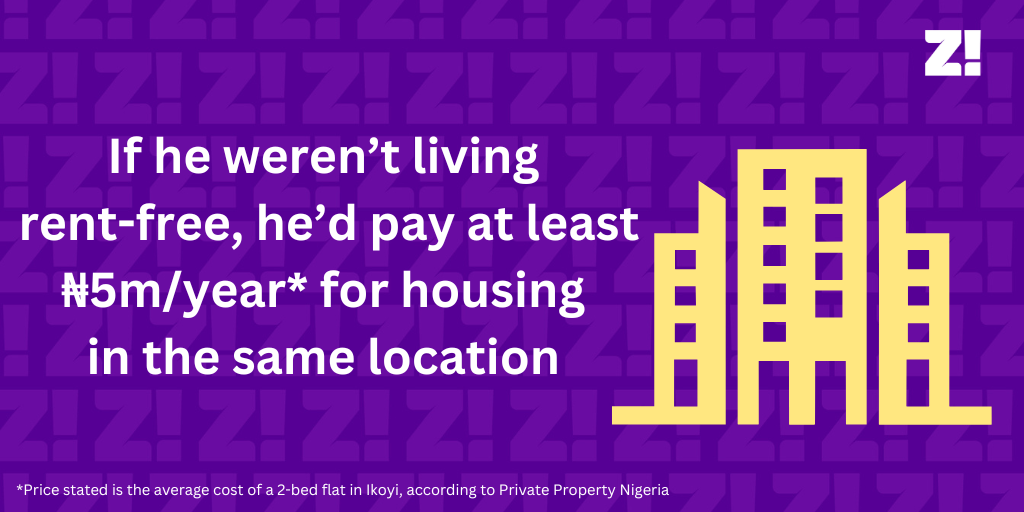
I鈥檓 not financially responsible for anyone. I get black tax, but it’s not consistent. I prefer to cook at home, but time is never on my side, so I order in mostly. As a result, my feeding expenses are usually on the high side.
Can you break down your typical monthly expenses? To be honest, I haven’t tried to track it before. But I know I spend about 鈧�200k on transport and 鈧�200k on feeding every month.
I travel from Lagos to Abuja during festive periods twice a year, and a round trip costs close to 鈧�190k. I also subscribe to many entertainment platforms. I pay for Twitter, Netflix, Prime, Spotify, YouTube Music, Crunchyroll, and other entertainment platforms. I don鈥檛 keep tabs, but it should be over 鈧�100k/month. Internet data subscription also costs me 鈧�50k monthly.
I don鈥檛 deliberately save or invest; I just keep whatever I have in my account. I don鈥檛 use any savings platform, but I have some crypto holdings.
Do you feel financially comfortable? I鈥檓 financially comfortable, but if I can earn 鈧�20m monthly, I will be totally at ease.
41-year-old male engineer living in Lekki
Salary: 鈧�900k/month.
What鈥檚 your current living situation? I live in a rented 鈧�5m/year three-bedroom apartment with my wife and two kids. The only reason I live in such an expensive place is because of the proximity to my wife’s workplace. Plus, her annual bonus at work pays 60% of the rent, so the balance isn’t that crazy.
Even though we’re a dual-income household, it still feels like we’re drowning in financial responsibilities. I have to pay a 鈧�2m/year service charge, handle school fees and whatever extra charges the school conjures up, and feeding. There’s still black tax because everyone thinks living in Lekki means I’m wealthy.
Can you break down your typical monthly expenses? I spend every single kobo of my salary every month, and it’s honestly not great. At least 鈧�400k goes to food, and another 鈧�100k goes to the live-in help and occasional dry cleaning. My car takes 鈧�56k for fuel every week, so that’s over 鈧�200k monthly.
Then, my parents, siblings and in-laws call for money occasionally, and I have to drop something. This doesn’t include the expenses my wife takes care of, like our children’s day-to-day expenses, medication, clothing, internet and other miscellaneous expenses.
I have no savings, but I have two plots of land, so that’s an investment.
Do you feel financially comfortable? I don’t. I earn more than some of my friends, but I’m just one emergency away from abject poverty, and that鈥檚 concerning. I might feel comfortable if I earned 鈧�10m/month.
The Bottomline
While a salary plays a primary role in providing financial comfort, factors like location, household size and lifestyle are just as important.
For single people living in more affordable areas of the Lagos mainland like Ikotun and Badagry, 鈧�150k – 鈧�300k can be a comfortable salary. For families, however, 鈧�500k – 鈧�900k might be more realistic for comfort, even more if they live in high-brow areas like Lekki.
With inflation rising year-on-year, today’s comfortable salary may not be enough to afford the same quality of life next year. It’s essential to plan for continued financial comfort by exploring side hustles and passive income options, saving and investing for emergencies and income growth and generally taking financial management seriously.
ALSO READ: 5 Nigerians Open Up on How Relocation Has Shifted Their Financial Realities
Join 1,000+ Nigerians, finance experts and industry leaders at for a day of real, raw conversations about money and financial freedom. and secure your spot at the money event of the year, where you’ll get the practical tools to 10x your income, network with the biggest players in your industry, and level up in your career and business.