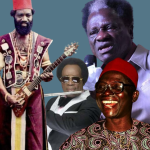
built a career on refusing to sand down where he鈥檚 from. Warri-raised, Waffi Pidgin-first, he made his name telling the truth about his region and a fiercely loyal following followed him for it. Independent for most of his run, he鈥檚 gone from underground street singles to a 2025 Headies win for 鈥楤est Rap Album鈥� without ever losing that original voice 鈥� and he鈥檚 still adding chapters, most recently sitting down for .
Apart from his celebrated skillsets, what sets him apart is his patience to keep his head down and work his mainstream notice. His storytelling is impeccable too. From hustle to vices, betrayal and trauma; he narrates it, clearly, and lets the details carry the weight. That鈥檚 been the throughline from his earliest street records to his most recent introspective work. These ten songs are proof.
10. 鈥�鈥� feat. Olamide (2015)
This song immortalises Paper Boi, one of Erigga鈥檚 pseudonyms. The bouncy, club-ready trap song centre of money, spending it, making it back, and never mixing it fun or pleasure. This is the first link up between the King of the South (Erigga) and the King of the West (Olamide) and it鈥檚 a track for the streets, clubs, airwaves and personal playlists.
9. 鈥�鈥� (2011)
Erigga brings his street orientation and attitude to 鈥淢o Street Gan.鈥� This track is regarded as Erigga鈥檚 breakout single, going back to the start of his career. It earned him a Headies nomination for Lyricist on the Roll in 2012. It鈥檚 also the song that got adopted as a theme tune by Radio Continental.
8. 鈥�鈥� feat. Victor AD (2018)
The zeal for success is high and it鈥檚 driven by fear of poverty, doubters and the unachieved dreams of lost loved ones. It emphasises that no serious hustler should be ashamed of ridicule or classism while in search for their daily bread or breakthrough 鈥� their background is already rough, the struggle to success should be the least worry.
7. 鈥�鈥� feat. Duncan Mighty (2017)
This is off his From A Trip to the South album. It鈥檚 a triumphant narrative of his exploits from Warri to Lagos, from being an underdog to becoming general. 鈥淟agos鈥� is more of a boast track than story in the 鈥淜ettle (The Story of Okiemute鈥�) sense, but it does chart a journey: where he started, what people said he wouldn鈥檛 become, and what he became anyway.
6. 鈥�鈥� (2011)
This is a cult-classic from The Erigma album. It shows a portrait of Warri as a live wire. Erigga brings the atmosphere of the place to the song and dramatises how fast things turn violent on the streets he鈥檚 from.
READ NEXT: These 15 Rappers Define Nigerian Hip-Hop
5. 鈥�鈥� feat. P Fizzy (2015)
OG listeners know that Erigga first made this on Adele鈥檚 鈥淗ello鈥� beat before he recorded again on another production. This song opens his Okorowanta album and it鈥檚 an industry commentary from the mouth of an outsider still fighting his way in. It sets the album鈥檚 鈥淚鈥檓 coming for this whole scene鈥� tone before the rest of the song plays out.
4. 鈥�鈥� (2015)
This is the closing track on Okorowanta (Since 1997), Erigga鈥檚 sophomore album, released in 2015. It鈥檚 a rap-R&B hybrid built around a single confession that his intentions are good, but the world keeps reading him as the villain. It鈥檚 perfectly hooked with Nina Simone鈥檚 鈥淢isunderstood鈥� classic. This one has less street reportage, and more internal monologue where Erigga turns the focus on himself instead of a character or an event.
3. 鈥�鈥� feat. ODUMODUBLVCK (2022)
The song opens with the story of what he survived on the streets before choosing to make music. Erigga recounts the routine gun violence of the neighborhood he grew up in, walking through a specific killing and the botched investigation that followed it. Then he moves into a second verse about picking up destructive habits from the older men he looked up to, ending in an admission of how those experiences left their mark on him.
2. 鈥�鈥� (2022)
After other songs about what happened to him, this one is about what he鈥檚 doing with it: piecing together a life out of the same poverty and dysfunction that once put him behind bars. It鈥檚 more like him stepping back to say what all the preceding songs add up to: a man refusing to let his past define his story. His style of delivery here is an unorthodox mix of rap and spoken word.
1. 鈥�鈥� (2018)
Erigga opens by making clear he lived through real danger long before music became his way out. From there, the first verse plays almost like a police report: a killing in his old neighborhood, and how little ever came of the investigation. The second verse turns inward, tracing the harmful habits he picked up (and still carries) from the older men he once admired.