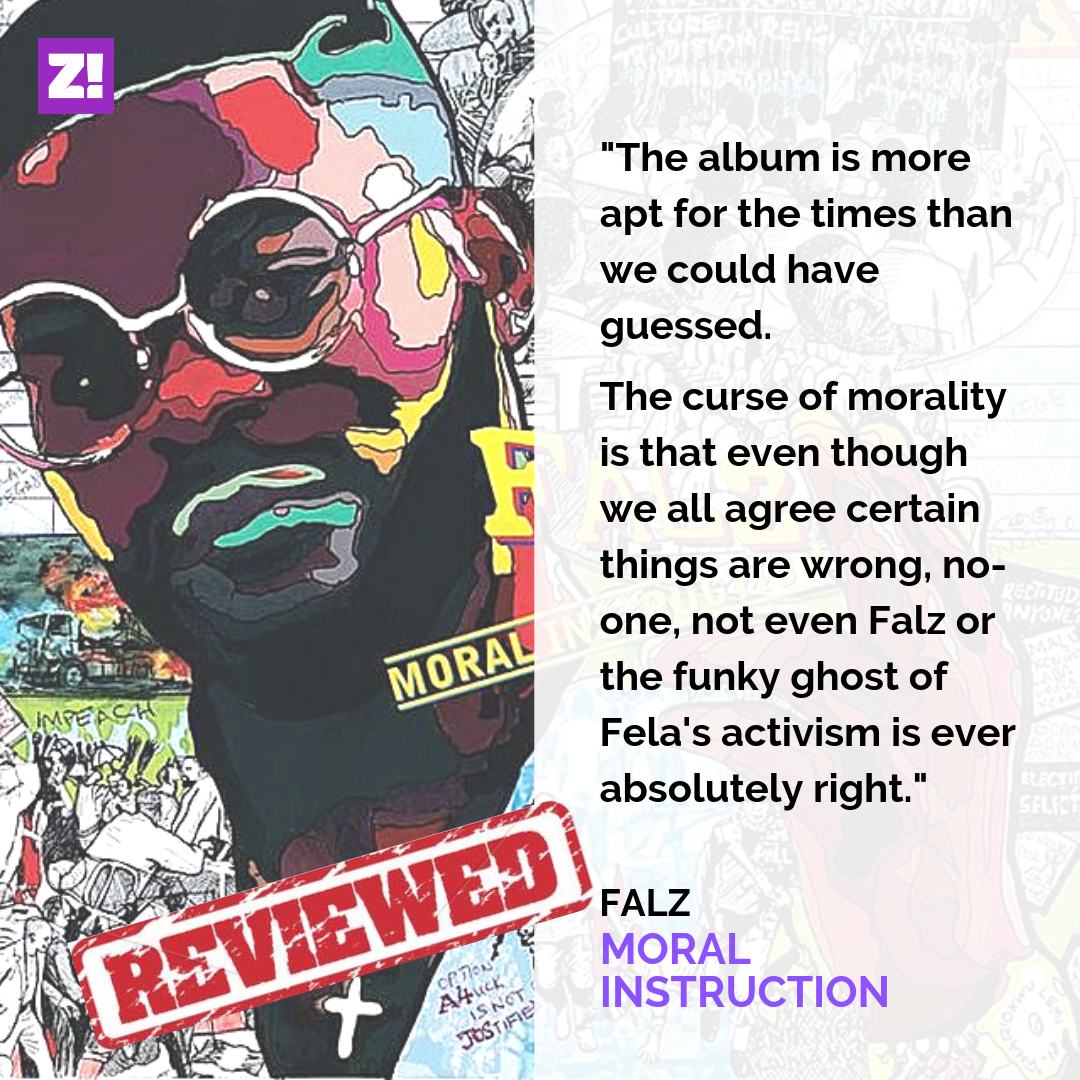
Falz’s fourth studio album leaves little to the imagination.
The lead and only single, Talk is Falz pointing fingers as he runs through Nigeria鈥檚 most salient problems.
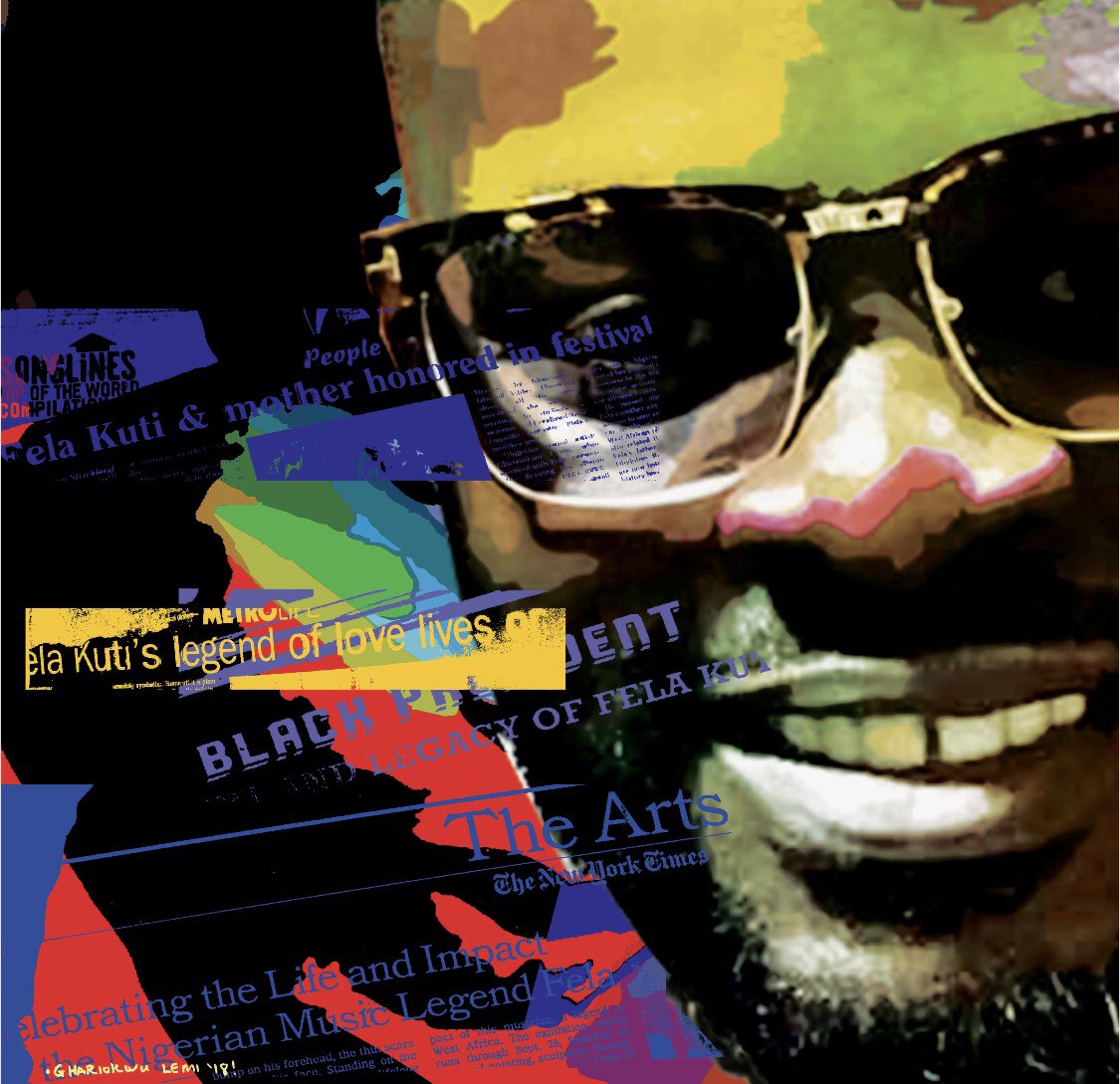
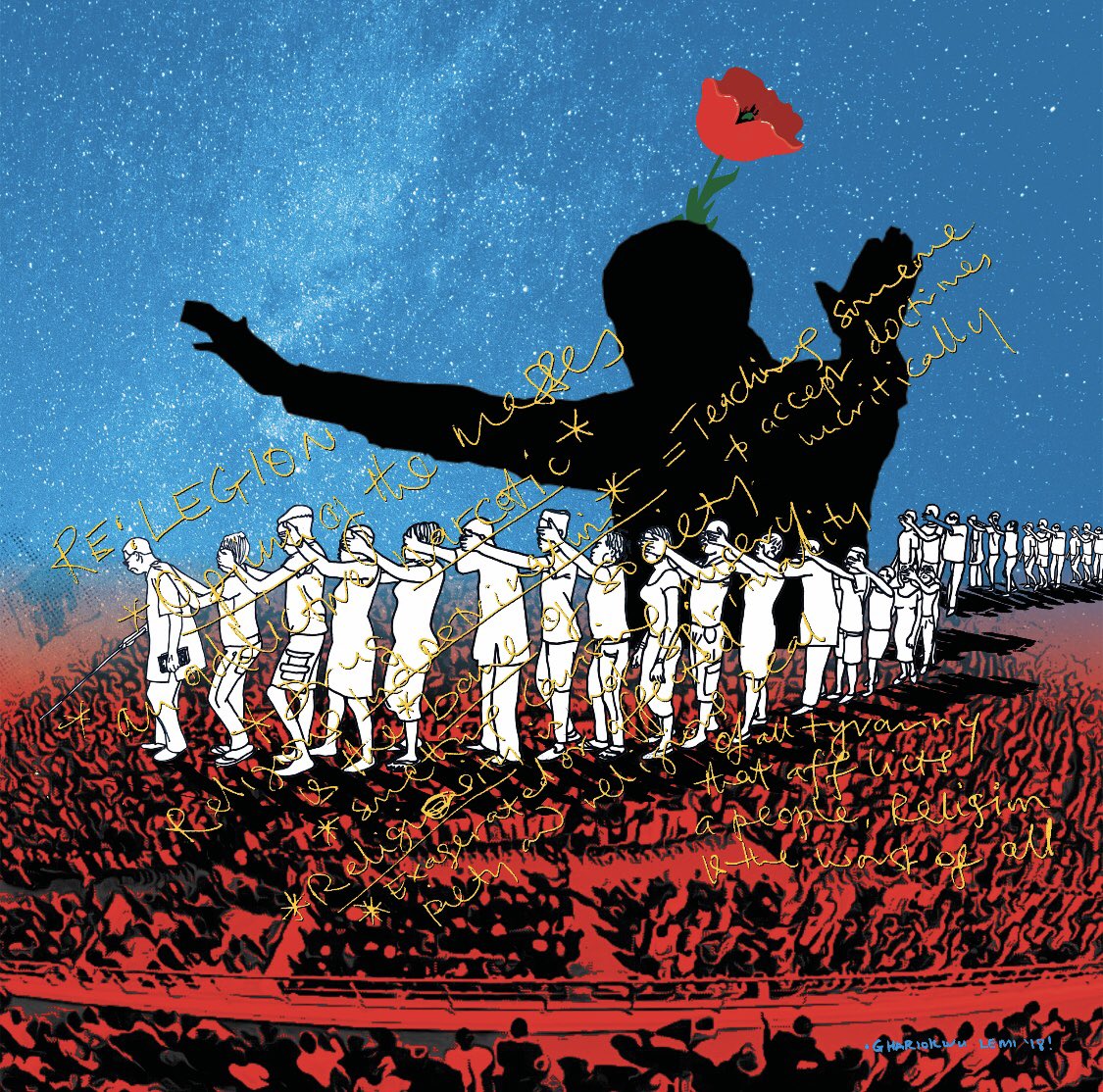
On the day it was released to a social media frenzy, Falz also shared the album jacket, designed by Lemi Ghariokwu, most known for his work for Fela Kuti.
He is also featured on the album. The title, however, gives it all away.
If the album鈥檚 title “Moral Instruction” suggest a pious class on Nigeria’s woes and how we’re responsible for the mess we find ourselves in, that’s because it is.
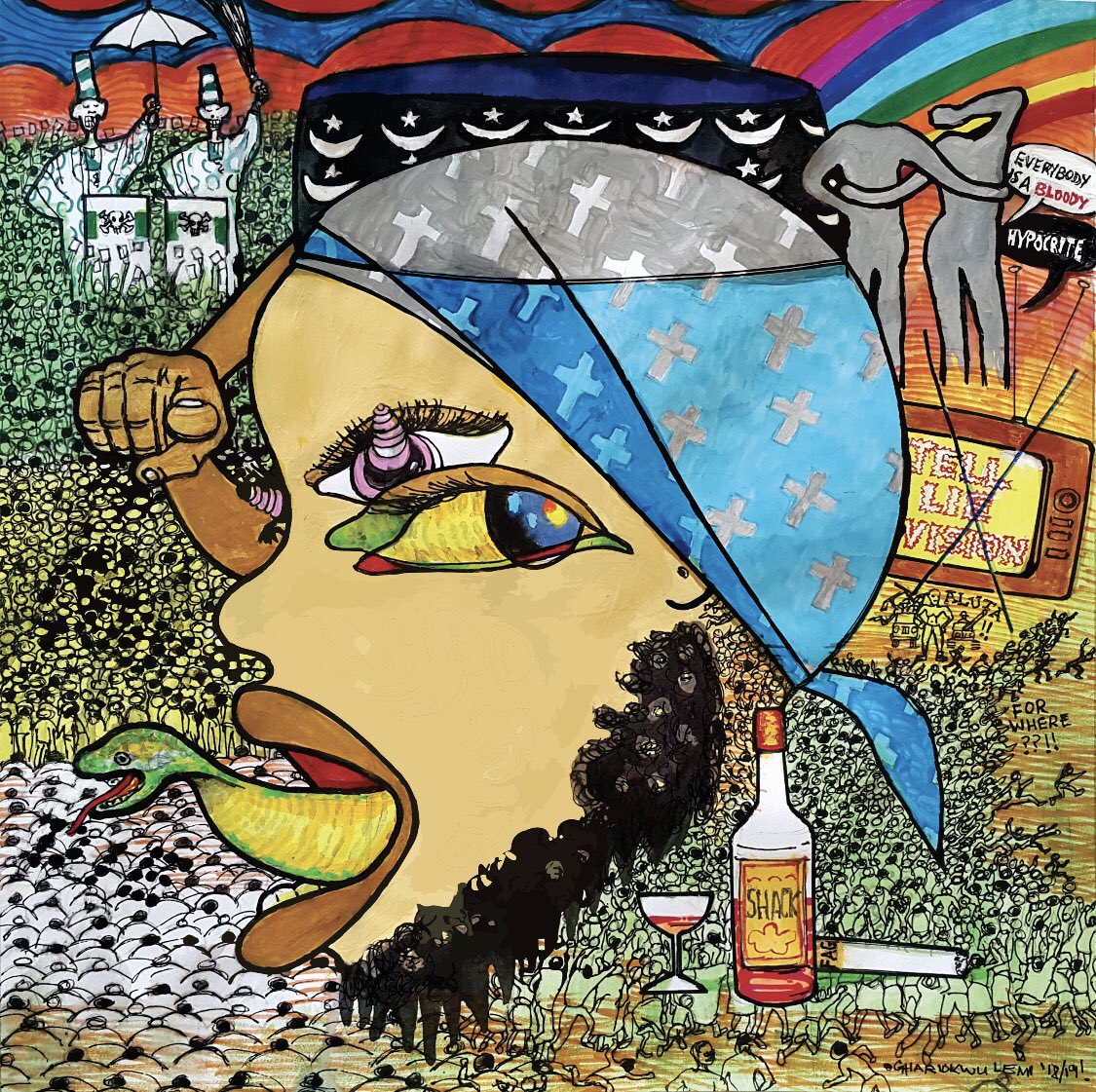
By now, such social commentary is not unexpected from Falz.
You鈥檇 have to go as far back as his debut 鈥淲azup Guy鈥� to find what could well count as his first politically-charged song.
On 鈥淗ow Far鈥� featuring Sir Dauda, Falz manages to express genuine shock that the same people have been at the country鈥檚 helm for generations.
He then goes on鈥撯��They say we go write the future, them no give us pen/Give it up for VIPs, them be our problem/Vagabonds in power, as Fela called them鈥�.
In the years since, Falz has come to embrace commentary and offer his own two cents鈥搈ost notably on “This is Nigeria”鈥搊n issues of cultural and social relevance.
鈥淢oral Instruction鈥� comes at a time where he is a forerunner in the conversation about activist musicians and a new Fela.
It is only fitting then that the album鈥檚 opener 鈥淛ohnny鈥� is led by a boisterous sample of Fela Kuti鈥檚 鈥淛ohnny Just Drop鈥�.
The story of a young graduate shot by an insecure, trigger-happy police officer is all too familiar to the average Nigerian.
Stellar production by TMXO puts the song at a confluence 鈥� Falz鈥檚 delivery assures you that this is hip-hop, yet there is that indisputable bounce on the guitar that makes you want to swing and lose yourself.
But there is nothing to swing to. This is, at its core, a sad song.

On the first verse, Falz makes references to the seemingly endless violence in Jos鈥�鈥淒em kill am for Jos for no just cause/nobody fit comot for house, who born us?鈥�.
He proceeds to narrate the moment when Johnny dies 鈥� 鈥�una don run go chop, Oya give me my own share/before them talk one, he say 鈥榮hut up!鈥�/who dash you liver/talk small, I go cock gun/small time, e don pull trigger鈥�.
It is in moments like this, when Falz passionately addresses the violent inanities and the lack of decorum that have become part of life in Nigeria, that the album works best.
On 鈥淭alk鈥�, he points the finger at the usual suspects 鈥� politicians, religious leaders, the regular man and his apathy as reasons for the state of the nation. 聽
鈥淎men鈥� is where he comes the men at the helm of wealthy religious institutions whom he sees as jet-setting swindlers selling hope for donations and Sunday offering.
鈥�Take our offering set up uni/and your church members no fit afford the school fees鈥� is a line that should incite some conversations in a few Alumni Whatsapp groups.
In an industry helmed by flamboyant stars making assembly-line pop music, Falz is eager to be seen as the one directly addressing issues we have grown numb to.
It is as he emphasises at he ends 鈥淭alk鈥� with one final confession鈥撯�漬a me talk am鈥�.
It is when this eagerness veers into contentious territory, that Falz鈥檚 brand of activism becomes problematic.
This brand of moral instruction turns a familiar chapter on 鈥淭alk鈥濃�搘here he continues a pattern of berating sex work with the lines鈥撯��Instead make you work, you dey find Alhaji/Eh eh, you dey find Alhaji/You come turn your body to cash and carry/Eh eh cash and carry鈥�.
His insistence on addressing sex work as an immoral symptom of greed has drawn criticism.
But the outrage became much louder after journalist Joey Akan posted a video of him explaining his distaste for 鈥榯ransactional sex鈥� (amidst several questionable uses of the term 鈥渇eminist鈥�) at his listening party鈥搘hich is being interpreted as a sense of entitlement to women鈥檚 bodies.
The problem with using morality as a lens is that it is entirely subjective and constantly evolving.
Our ideas of good and bad overlap at obvious points 鈥揵ad governance, corruption, murder鈥揵ut at others, holding one鈥檚 beliefs over another鈥檚 can reek of self-righteousness.
Unlike his appraisal of religion, Falz’s personal opinion about sex work refuses to explain how it sits in the larger context of societal ills and the sorry state of our nation.

The reality of sex work in Nigeria, more often than not, is the result of too many social factors.
Falz addresses some of them but others, like simple choice and outdated laws聽are beyond his scope on the album.
However one may feel about 鈥榯ransactional sex鈥� though, we cannot strip people of their right over their own bodies.
Falz’s approach is problematic – but not fatal.
That鈥檚 because 鈥淢oral Instruction鈥� and the incisive political critique it pulls off is held together by some very good music.
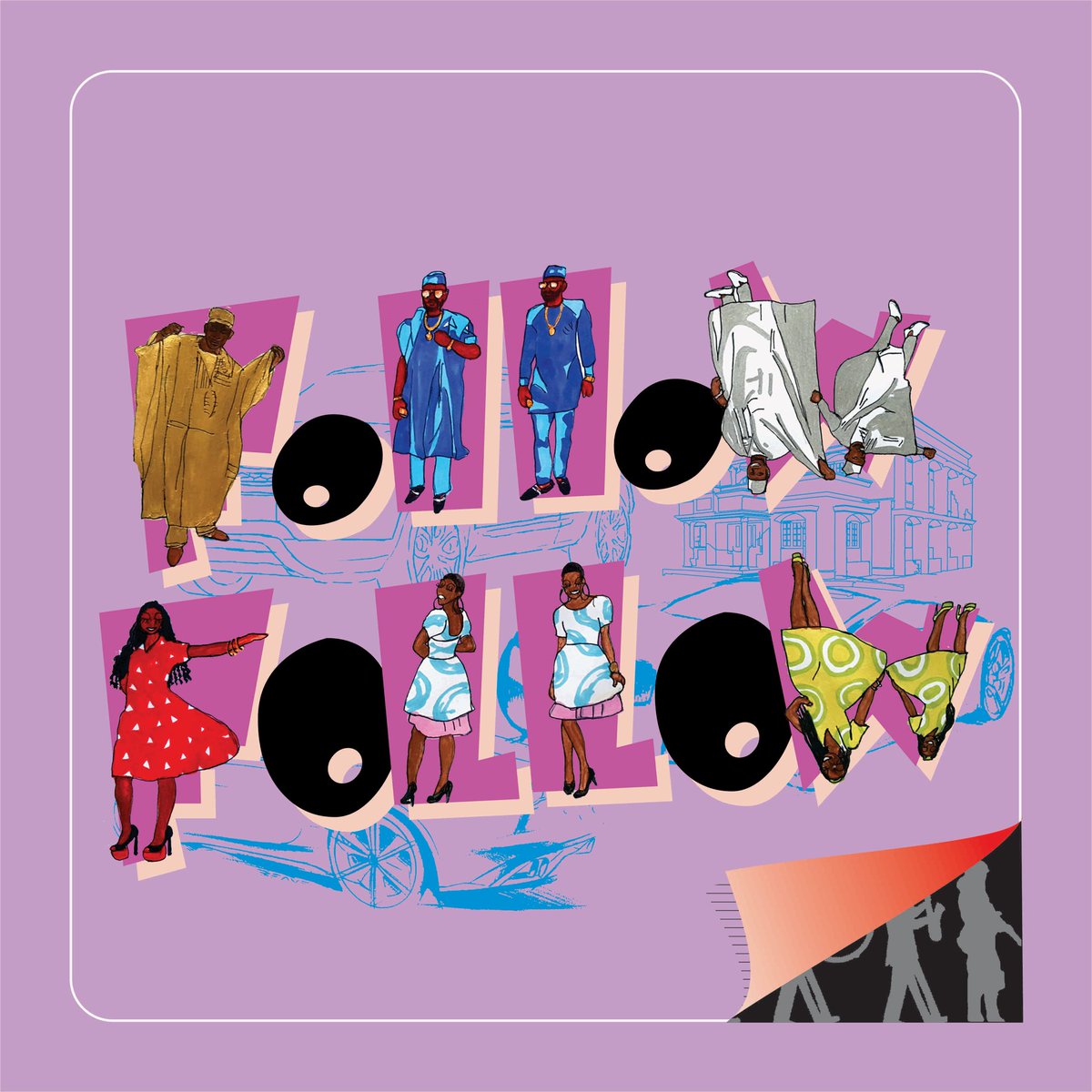
Trap meets Fela鈥檚 disruptive energy on 鈥淔ollow Follow鈥� via a sample of the classic 鈥淶ombie鈥�.
The result is a song that has the potential to distract you from the fact that 30 years after, we, not soldiers, are the zombies here.
鈥淎men鈥� is as rich as red velvet cake. It is led by a poignant sample of Fela鈥檚 鈥淐offin For Head of State鈥�, and thickened with excerpts from interviews and Falz at his most lyrical in years.
In an important election year, Falz’s moral instruction is a reminder that we have become all too comfortable in this dysfunctional society we’ve made for ourselves.
At its best, it is militant and demanding. At its most controversial, it is another鈥檚 can and nearly disappointing.
For everything he does to address our collective apathy, his choice to point fingers at perceived wrongdoers on the basis of his own opinion feels like an easy way out.
To his credit, Falz seems to acknowledge this on the album鈥檚 final track where he says 鈥�After all is said and done/I do not have the right to direct the finger of guilt or the look of contempt at my guy/for even I can barely see through the speck in my eye鈥� but it鈥檚 a little late.
It is almost a given that this album will be defined by the nuance in the conversations it has and inspires.
It makes the album more apt for the times than we could have guessed.
The curse of morality is that even though we all agree certain things are wrong, no-one, not even Falz or the funky ghost of Fela鈥檚 activism is ever absolutely right.