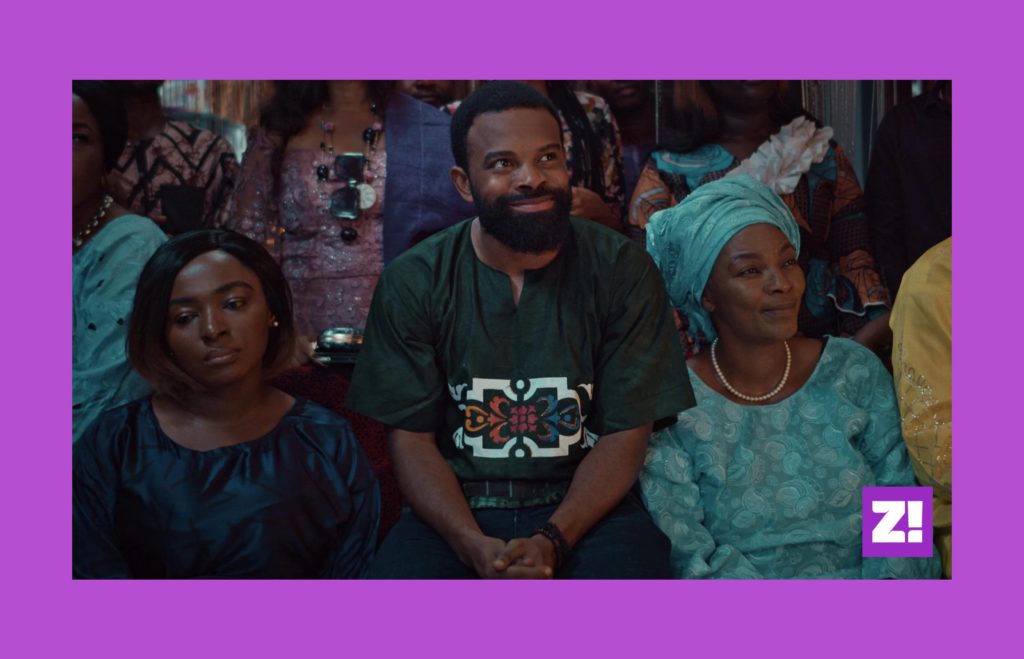
The seed of the idea that would become For Maria: Ebun Pataki first lodged itself in Damilola Orimogunje鈥檚 mind during a conversation with a friend about postpartum depression (PPD). He鈥檇 heard of it , but like most Nigerians, he knew it wasn鈥檛 a topic people liked to talk about. A couple of days later, in a haunted ghost-like manner, the topic popped up on Damilola鈥檚 radar again, this time, via a Twitter thread that saw women of different ages narrating their different experiences with PPD. Calling up writer, Tunray Femi, Damilola knew he鈥檇 found his latest film.
鈥淎s a filmmaker, you have to ask yourself 鈥榳hat type of stories am I trying to tell?鈥�, and for me, making a film is a spiritual thing. It鈥檚 sacred. I鈥檇 like to believe that I鈥檓 a conscious storyteller who鈥檚 drawn to relatable issues that people are scared to talk about,鈥� Damilola told me when I called him to talk about For Maria: Ebun Pataki, the film that had seemingly put Nollywood back in everyone鈥檚 good graces after a certain sequel got the industry off to a rough start in 2022.
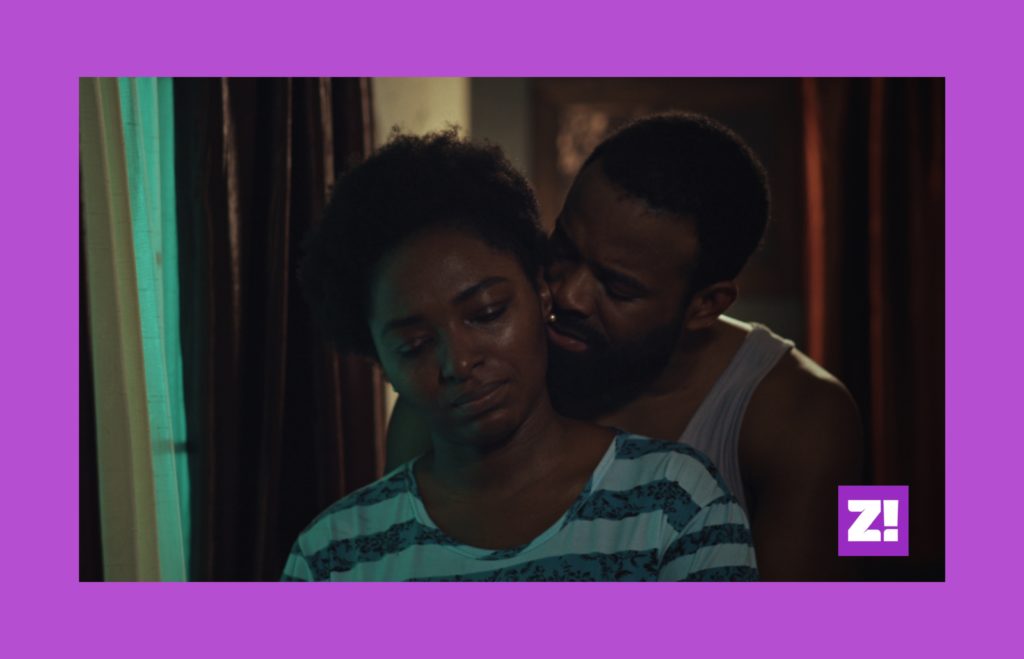
Capturing the struggles of a new mother, suffering from postpartum depression, For Maria: Ebun Pataki is Damilola鈥檚 first feature film since he started putting out short films in 2017. The film follows Derin (Meg Otanwa) as she struggles to connect with her baby, and how her suffering also affects the people around her. By pure word of mouth, the film shot to the top of the Netflix chart in Nigeria and started a major conversation on social media. But in a time where Nollywood seems to be focused on light comedies, how did a film tackling such heavy material get made? Well, Damilola and his leading lady, Meg Otanwa break it down for 91大神.
Finding Maria
What went into creating this story?
Damilola: After I reached out to Tunray, we both sat down to discuss the possible ways we could approach the story. I had an idea of what I wanted, but I also knew that I needed time to research and a female perspective. Tunray offered the latter and together, we did extensive research on PPD before creating our characters and deciding on how we wanted their stories to unfold. The research alone took about three months before we started writing a script. We settled on a final version after four drafts..
Wow. Getting the right actors to play these complex characters can be tricky. What inspired your decision to go with Meg Otanwa and Gabriel Afolayan?
Damilola: I had wanted to work with Meg for a long time starting with one of my short films, but our schedules didn鈥檛 click. Over time, we became film buddies who would recommend films to each other and talk about them after watching. Meg is very intentional and passionate about her craft and the stories she wants to tell as an actress, so when this story came to me, I knew she would be the right choice. Gabriel鈥檚 character was supposed to be played by a different actor because we initially wanted an Igbo-speaking actor. When scheduling conflicts stopped us from working with the actor we wanted, the character was changed to a Yoruba guy, and Gabriel was the actor at the top of my list.
Becoming Derin
Meg, I鈥檓 curious to know your initial reaction to getting the script from Damilola?
Meg: I told him I needed to sleep on it. I needed time to convince myself that I could give it my all. This was a period where I was super fit and knowing I was going to lose myself physically and mentally, I needed to be sure. This film isn鈥檛 dialogue-heavy, especially for my character, so I knew that to internalise the character and her emotions, I needed to give a lot of myself. But honestly, I love a good challenge, and these are the types of stories that interest me as an actor.
What drew you to the story?
Meg: It鈥檚 compelling and different. I knew I had to take it on when I tried to talk to two friends about the film鈥檚 subject matter and they were hesitant about opening up. It made me realise that PPD is common, but women weren鈥檛 talking about it. So I had to do this project.
How did you become Derin?
Meg: It took a lot from me. Damilola was particular about not wanting to use prosthetics for Derin鈥檚 belly or weight gain, so I had to gain weight and let my hair shrink. He expected me to just be a little bit chubby, but I went all the way with one whole month of junk food. We all know putting on weight is the easy part.
骋颈谤濒鈥︹赌�.
Meg: And these were just the physical changes. Another part of my process is creating backstories for my characters so I can embody them better. What was her childhood like? Did her family go to church? How did he propose to her? Etc. These things are not part of the script, but they鈥檙e important to me. Once I answer all of this, I have a fully fleshed-out character whose choices in the film I can justify.
Since I haven鈥檛 had children before, I had to do a lot of research to understand the subject matter. My research led me to a man in Abuja whose wife had committed suicide as a result of PPD two years before this story came to me, and he was generous enough to share his experience. Derin spacing out a lot mid-conversations came from our talks because he mentioned that his wife did that a lot. Good acting is not just coming to set with your talent, it鈥檚 also about the work you do before you get to set that will help inform your choices as an actor.
Everything has to feel real
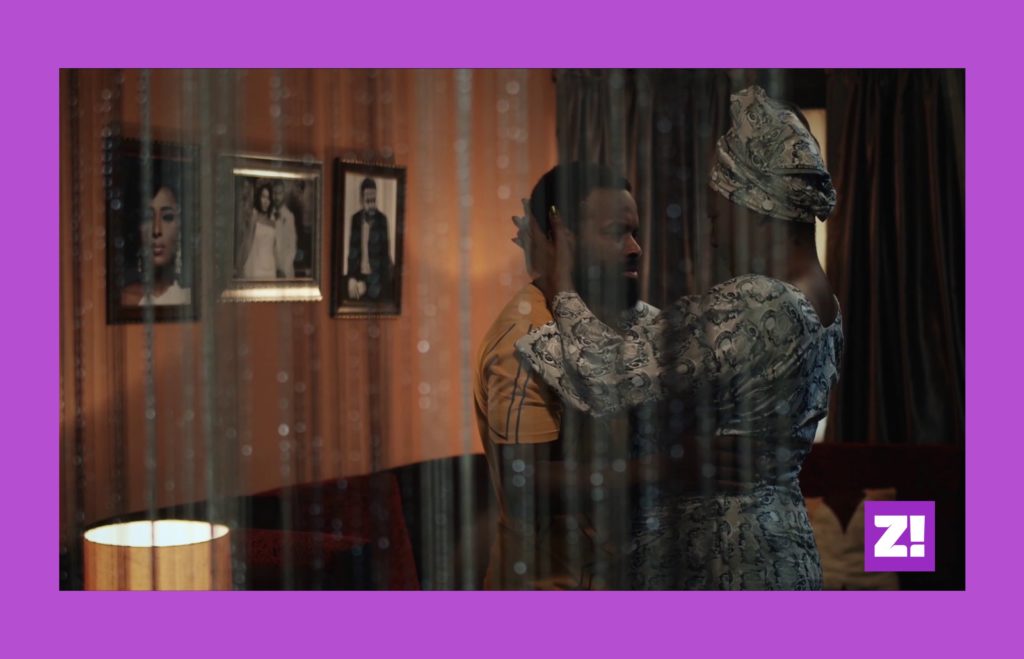
Can we talk about how relatable your characters are? They are a middle-class family, their house feels lived in and they speak a lot of their native tongue. What inspired this creative decision?
Damilola: I think it鈥檚 more natural when characters converse in their native language, and I think the audience would agree with me as well. For example, you expect a Nigerian mother-in-law to speak in her native language. I also see it as a way of cultural representation. Most times, we only portray two extremes: rich and poor. But I don鈥檛 think representation should be limited to those two. I wanted to depict regular people in society as naturally as possible. For instance, the house we used took a while to scout. I had to get out of my shell and visit friends and family just so I could see where they lived to find a fit for my story. Derin is a small-scale designer and Fola, her husband, is in advertising. I thought it would be pretentious to have them in an upscale Lagos apartment.
Why was it important to also show how Derin鈥檚 suffering affected Fola and his reaction to it?
Damilola: When you meet Fola, he鈥檚 supportive and understanding, but down the line, has to step up to become the sole caregiver of this child, which takes a lot from him.. Add to the fact that he鈥檚 also losing his wife because she鈥檚 no longer connecting to him. PPD affects the people around as well. Look at Maria! No one is talking about her. Imagine not getting love from your mum. Fola is a good guy, but he didn鈥檛 understand the intensity of PPD and how it was affecting Derin. He tried to save her in his way. He felt he was doing the right thing by loving and supporting her, but the right thing would鈥檝e been taking her to see a therapist.
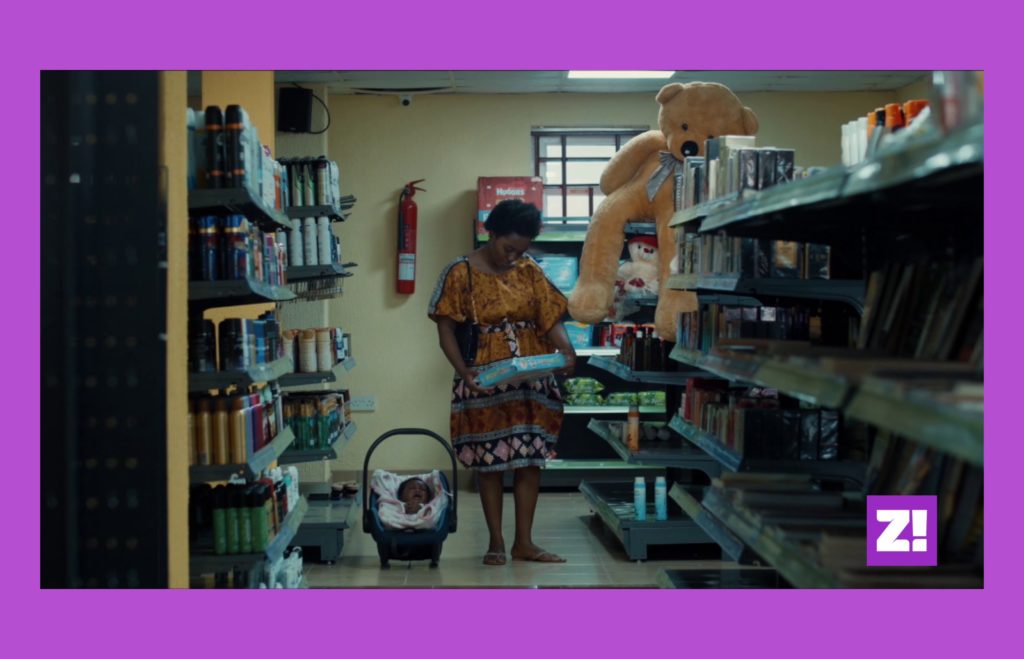
I wanted to show how it affected her husband, family members, friends and outsiders. You have people who don鈥檛 know you at all, like in the supermarket scene, giving you unsolicited advice on how best to be a mother.
What happened on set?
What was the energy on set like?
Damilola: Weirdly enough, it wasn鈥檛 as tedious as the final work. Writing the script was emotionally draining, but by the time I got on set, I knew what I wanted. The cast and crew had a great time, and I remember Gabriel would crack jokes but immediately switch to serious mode once the cameras started to roll. Tina Mba was also the queen of improvisation. The 鈥渉ard maths’鈥� line wasn鈥檛 in the script, neither was the holy water on Derin鈥檚 breast. We were all chuckling behind the monitor. The only person who was really going through it was Meg. She was deep in Derin鈥檚 pain, and I told her to be in her zone and space. There were scenes where Meg would finish a performance in tears and we鈥檇 all just have to be quiet.
Meg: It was intense. I鈥檓 a petite woman, so having that much weight just made me physically uncomfortable. I wasn鈥檛 Meg anymore, I could feel Derin鈥檚 heaviness. I remember Dami telling me that our editor was concerned because he had only seen me smile once, off-screen. Even between takes, I wasn鈥檛 smiling at all. There were no breaks for me, and even after we wrapped, it took a while to get myself back.
And it paid off onscreen. How did you get the baby to cry on cue? I鈥檓 convinced there was some pinching involved.
Damilola: She read the script too. She鈥檚 a brilliant actress.
Liar!
Damilola: Okay, I鈥檒l tell you the truth. So I had a rule where Meg wasn鈥檛 allowed to go near the baby throughout the shoot unless she had a scene with her. On the other hand, Gabriel and Tina Mba were allowed to play with the baby and get her to like them. That鈥檚 why anytime Derin touches the baby, she starts to cry. Derin is a stranger to her and when Gabriel takes her, she sees a familiar face and calms down. There were times, though, when she didn鈥檛 cry so we鈥檇 just do other things and the minute she starts to cry, we鈥檙e like 鈥淥ya, everybody, roll camera, action!鈥�
Meg: Personally, Damilola鈥檚 rule affected me because I love babies and was tempted to play with her all the time. She didn鈥檛 like me at all, so when I touched her, she would start kicking and crying. Brilliant directing on his part.
Let鈥檚 talk about Nollywood
Why do you think people connected with this film the way they did and what makes it different from what鈥檚 out there in Nollywood right now?
Damilola: People connected to the film because it tackles a previously unexplored subject. It鈥檚 heavy, but it’s something people, deep down, want to learn and talk about. I also think there鈥檚 the relatability of the characters. Derin and Fola feel like people you know. For a while now, audiences have been complaining about not being able to connect to the stories being told these days, and that鈥檚 because we鈥檙e making films where the stories don鈥檛 match real life, and the audience can see through it. Relating doesn’t mean you鈥檝e lived that life, but at least, it has to look like someone else鈥檚 possible reality. I鈥檓 not trying to be different for different sake. I could make a cinema blockbuster comedy, but I want to tell simple stories in a dynamic way that is authentic to me. I feel like we need different styles of storytelling in our industry, so that audiences can have access to variety.
Why do you think there鈥檚 a current disconnect between the audience and Nollywood?
Meg: This is a loaded question. As an industry, we鈥檙e still trying to figure out who we are while evolving with our audiences鈥� changing demands. It鈥檚 a process. Home videos were a thing once and people loved them. Then we moved to cinema comedies, and for a while, everyone loved those as well. But now, things are changing and they want variety. It鈥檚 great that we have avenues to hear directly from them, but the audience needs to be patient with us as well. While we can鈥檛 please everyone, filmmakers must consider criticism. That being said, not everyone should make For Maria-type movies, we still need diversity.
The Future
What are you working on now?
Meg: I just wrapped a series with Clarence Peters that I鈥檓 excited about and there are a couple more projects lined up.
Damilola: I鈥檓 planning to shoot my next film. It was supposed to be my first feature, but I abandoned it to work on For Maria because it was expensive.
So, long story short, you鈥檙e rich now?
Damilola: Ahh! I鈥檓 not. If you want to invest, I鈥檓 open. It鈥檚 called Dear Ajayi and I鈥檓 excited about it. I also produced a beautiful film titled, All the Colours are Between Black and White, which should be out soon.
Can鈥檛 wait to see them! Before we go, Meg, I heard you鈥檙e a polyglot that can speak like 100 languages.
Meg: They lied. But I can speak Spanish, French, Idoma, Yoruba, Hausa and English.
Na wa o. Excuse me while I go learn some more languages.