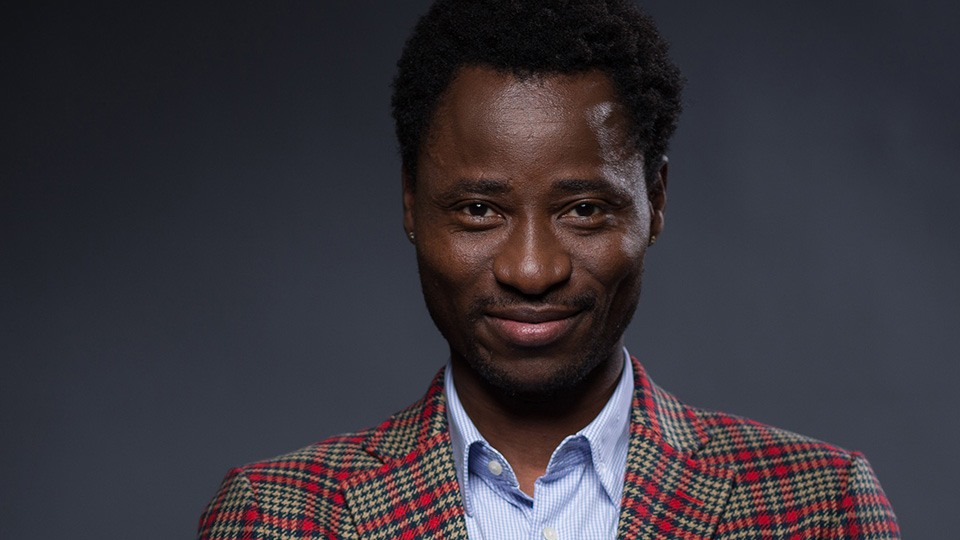
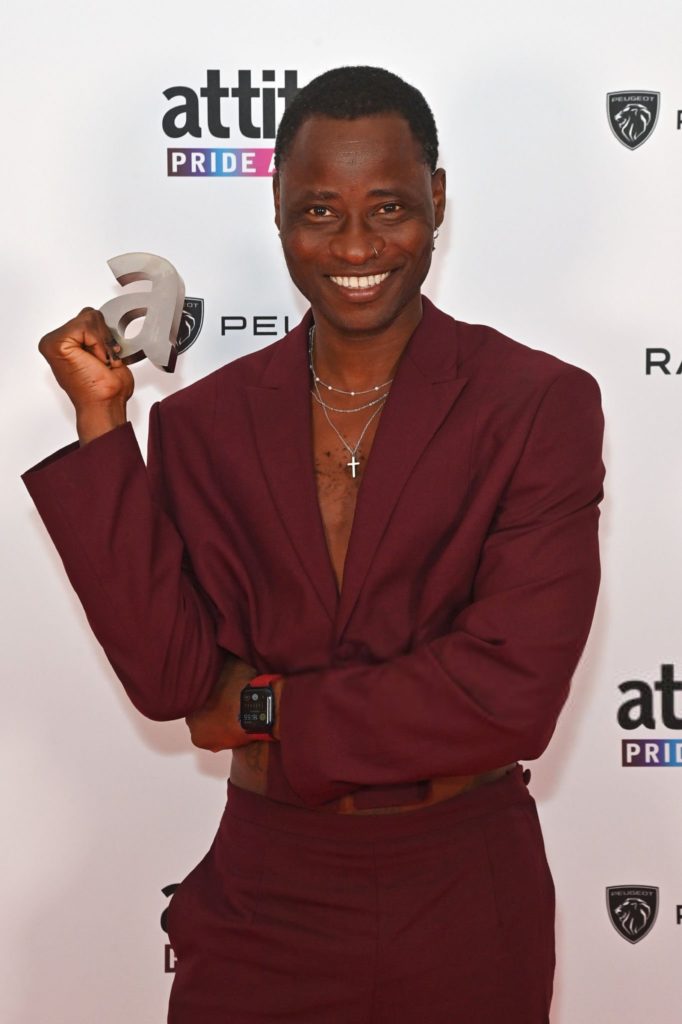
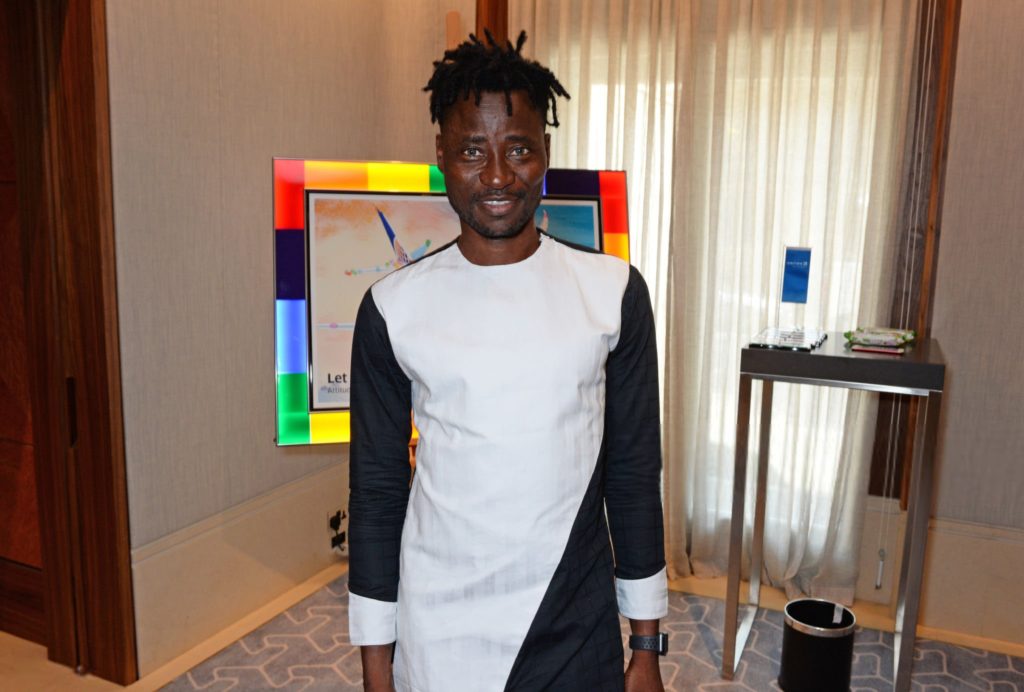
Twenty-one years ago, came out as a gay man on national television. The backlash was intense. A rising career in Nollywood was abruptly cut short, and he became a pariah. In the years that followed, he wielded the attention from that backlash to bring visibility to the plight of queer people in Nigeria.
In 2025, Alimi is still doing the work. He has launched a production company, Vengiance Production Studio, driven by a desire to seek justice for what happened to him. Their first project, a short film titled , is written and directed by Wapah Ezeigwe. Uzoamaka Onuoha is in it. Goodness Emmanuel plays the lead. Shall We Meet Tonight tells the story of two women who fall in love in southeastern Nigeria and must make a difficult choice.
In this week鈥檚 #MadeinNigeria, he opens up on making good trouble, why he advocates for queer rights and why he has no interest in telling stories 鈥渨here everybody is shouting and screaming at each other.鈥�
This interview has been edited for clarity and length.
Why are you telling this story?
There are three reasons why I鈥檓 telling this story. The first 鈥� and I say this unapologetically 鈥� is about the money. And what do I mean by that? Over the last five or six years, I鈥檝e taken the time to really study Nollywood 鈥� and not just Nollywood, but the African film industry as a whole. I鈥檝e looked at its market share in the global cinematic landscape, and one thing is clear: queer content is missing.
When I compare that to Western film industries 鈥� from Brokeback Mountain to Paris Is Burning, Priscilla, Queen of the Desert, and many others 鈥� it鈥檚 striking. These films are not only critically acclaimed, they鈥檙e also commercially successful. Then you look at streaming platforms and the global reach of queer content 鈥� it makes me wonder: are we missing a major opportunity in Nigeria by ignoring queer stories? And if there is a market for it here, what would that look like? Who is the audience?
Through my research, I鈥檝e seen just how untapped this space is. There鈥檚 a curiosity about queer African stories 鈥� both within and outside the continent 鈥� that no one鈥檚 really talking about. But when you see how these stories are welcomed at international film festivals, it becomes clear: now is the time to start telling them.
The second reason is representation. For me, it鈥檚 incredibly powerful. That idea of if I can see it, I can be it 鈥� it means everything. In a world where your existence isn鈥檛 reflected, all you can do is imagine yourself into being. But when you see people like you 鈥� on screen, in stories, living and loving and being 鈥� it鈥檚 magical.
And the third reason? Four years ago, I watched a film called Country Love by Wapah Ezeigwe, and I absolutely loved it. I made a mental note then: if I ever had my own production company, I鈥檇 want to work with him. So when I started working on Vengiance, I didn鈥檛 look back. I reached out to him and asked if he had a story. He gave us a feature-length script, but we could only raise enough money for a short 鈥� and that鈥檚 what we produced.
It is a love story and not as tragic as we see with queer stories from Nigeria. Was that intentional?
It was very intentional. It鈥檚 so easy to equate queer stories with sad stories 鈥� and honestly, it works. Globally, there鈥檚 a narrative that African queerness is always rooted in tragedy and trauma. But that road is not for me.
I grew up in Lagos. Of course, I鈥檝e had my fair share of sadness, but I鈥檝e also experienced love 鈥� deep, joyful love. I fell in love in Lagos. I was in a relationship for four years before I travelled. I have friends who鈥檝e been in relationships for eight years or more. They live together, they鈥檙e happy together. Sometimes, their families know and support them.
But we don鈥檛 tell those stories. And that silence creates an illusion 鈥� the idea that this kind of love, this kind of life, only exists when you leave Nigeria. But it鈥檚 happening right here, under our noses.
When we bought the script, the original story was set in Enugu in the 1980s. And we were very clear: we were going to shoot it in Enugu. That decision was intentional too 鈥� to ground it in a real Nigerian place and time, and to show that love has always existed here.
How did you navigate not creating Nigerian queer stories through a Western lens?
This film was funded by the British Council and the British Film Institute. But from the beginning, we were very assertive about the kind of story we wanted to tell.
I feel incredibly lucky to have worked with a director and writer who has a strong sense of pride in his work. There鈥檚 so much Igbo language woven into the film 鈥� it was important to us to communicate our love, our culture, in our own words. It鈥檚 an Igbo love story, and we didn鈥檛 want to dilute that.
When the film premiered at the BFI Festival, we were nervous. We didn鈥檛 know how people would receive it 鈥� if they鈥檇 understand it, or connect with it. But when it ended, there was non-stop clapping. In that moment, I knew we had done something special. You never really know what the world wants until you give them what you have.
You say there is a demand for queer Nigerian stories. Where is it coming from?
The demand is coming 鈥� especially from Nigerians who are looking for something alternative and want a broad spectrum of stories to be told. The demand is also coming from the international community that want to see the other side of Nigerian stories beyond the normative stories we tell.
You鈥檒l see the people that have really capitalised and made money from it are the South Africans. There is rarely any South African film that doesn鈥檛 have a gay character in it. They know that it sells. Even though it is annoying and can be caricatured, it is still there. It鈥檚 sad that the most lucrative film industry on the continent is so insular in a way that we still create content that starts and ends with Nigerians, and we don鈥檛 see the bigger market outside Nigeria.
We are just 200 million people. Only 10 per cent of that will watch it. With the story that we tell, we can tap into the bigger market outside.
ALSO READ: This is How Fisayo Fosudo Makes His YouTube Videos
The film is about two women and not two men, which would have angered Nigerians even more. Was that intentional?
There have been films like 脤蹿茅, and it was interesting how Nigerians reacted to 脤蹿茅 compared to stories that have two men. Nigerians have problems with two men falling in love with each other. I don鈥檛 understand it, but there is a fantasy around two women making out. For us, it was just that there are fewer stories of women in love than men, and we wanted to tell that story.
I鈥檓 expecting an exciting reaction for the film when it has its Nigerian premiere in Nigeria. We鈥檙e hoping the reception will be great. What I think we should note in this film is that a woman made a choice 鈥� which Nigerians are not used to: women taking control of their lives. And I think this film is going to get the manosphere in Nigeria tied up in their knickers. If there鈥檚 anything I love doing, it鈥檚 annoying Nigerians.
What is your production company Vengiance Production about?
I started Vengiance because I started out in Nollywood myself, and that didn鈥檛 last long 鈥� because I came out on TV and my career ended immediately. I still have so many friends that continue to struggle to survive. They exist in a society that judges them by who they love rather than what they bring to the table. It reduces the potential of the average Nigerian to live up to their fullness.
So we wanted to create a company that welcomed them. We are going to accept you as you are. This is also why we decided to make a production company that focuses on queer content.
Nigeria is not our only focus. We have a script in development now from South Africa, for which we will work with a South African crew. Our next production is by a UK-Nigerian writer. We are looking at some French scripts. But at the core of the stories we tell is the queerness of the people involved in it. I was contacted by a friend of mine from BFI. They were going to Nigeria with the UK trade mission. The leader wanted to meet queer filmmakers, so I came to Lagos with them.
We met with queer filmmakers, actors, and people who are interested in telling queer stories 鈥� and I gave BFI my recommendations, including the need for a bridge between the UK and Nigeria in talking about queer stories.
Years later, I was just chatting with that friend and they wanted to know what the fruits of that meeting were. They said maybe I needed to start a production company. I spoke to a friend, and we started.
I wanted it to be a kind of revenge on Nollywood, which is why I have the bastardised spelling 鈥� because it鈥檚 time to take back. I was kicked out of the industry. I鈥檓 still angry. It鈥檚 been 21 years. But I can do something productive with my anger.
How can a young filmmaker without access get funding for a film?
I鈥檓 not going to lie 鈥� access is important. Access is the difference between the person that succeeds and the one that fails. This is something I came to understand. I grew up in Mushin. Boys like me don鈥檛 have access. My father was a retired police officer. My mother was a cleaner. Nigeria is based on who you know 鈥� and class.
I find it interesting when Nigerians are asked to share the secret to their wealth, and they say it鈥檚 Jesus Christ. That鈥檚 bullshit. Because they know that the deal they got, the opportunity, came because somebody believed that something would come out of it for everybody. The UK is different, because access is about what you can become 鈥� the possibilities. It still happens in the UK too, but to an extent, more people have opportunities.
So I鈥檒l say to someone trying to break free: broaden your network. Try to know people.
How do you attain financial success with these stories?
The financial success is not just for Vengiance 鈥� it鈥檚 for everybody. When we were paying cast and crew in Lagos, they were like, 鈥淭his is huge money.鈥� For me, it鈥檚 very important that the creative industry is not seen as a poverty industry, but as a business. You do that by making quality things.
I don鈥檛 want to make a film where everybody is shouting and screaming at each other, then it goes to the box office and makes money. There鈥檚 a market for that 鈥� and the data shows it 鈥� but it鈥檚 not for me.
You go to film festivals, and you win awards. The more visibility you get, the more you鈥檙e in talks with distributors. We are in talks with distributors in the UK to get the film on streaming platforms or sell it off. The more money we make, we鈥檒l reinvest it into making more films.
Many in Nollywood will say the Nigerian market is not ready for these types of films. Do you disagree with them?
I disagree with that. This is the problem with Nigerians. The idea that Nigerians are lazy and lack the intellectual capacity to consume things is misguided. We are dogmatic, and there鈥檚 a lot of stereotyping that we do. We鈥檙e not really saying, 鈥淟et鈥檚 tickle the curiosity of the people and see how they鈥檒l react to things.鈥�
I have friends in the UK, and they say if it鈥檚 not Nigerian food, they鈥檙e not interested. And I just tell them, “You know what? This is why you鈥檙e never going to grow. You ought to be curious. You won鈥檛 die from eating mashed potatoes, vegetables, and grilled salmon.” We need to train our curiosity. Art can open people鈥檚 minds.
The first time might not work, but the second or third time could. One of the reasons Netflix left is that they were telling the same stories. The Yoruba epic ones are starting to feel like the typical Nollywood films. You watch the first episode and can predict what鈥檚 going to happen. It doesn鈥檛 tickle your curiosity the way a show like Money Heist does because you don鈥檛 know what鈥檚 going to happen next. Creators of art should be bold and shock the audience.
What was producing this film like?
The writer insisted that he would direct, and we agreed. He also told us who he wanted to act in it, and we had no problem with that. Then he said he wanted to shoot it in Anambra. But the UK government had issued a no-travel advisory for Anambra because of the unrest, so we had to look for the nearest state, which was Enugu. There鈥檚 so little you know about Nigeria in practical terms when you鈥檝e lived in the UK.
The film was set in the 鈥�80s, but we couldn鈥檛 bring that element into the production due to the cost. However, we still wanted to carry some of those elements, which is why the cinematography isn鈥檛 contemporary. Everyone in the film is very good at what they do. We didn鈥檛 want to take any risks. We shot in four days, but editing took over six months. It was hard work because we were working with the British Film Council, which insisted on maintaining quality.
Aside from film, what other projects are Vengiance working on?
We are building the concept for our podcast, which will cover themes like lifestyle, love, relationships, and crime, with a focus on queerness across the continent. One of the projects we have, which will be my first as a director, is about queer crime in Nigeria, and it will shoot this year. We also have a story from South Africa that explores queer people growing old and feeling lonely.
Our podcast will look at how queer people meet and fall in love, just like straight people do鈥攖hrough social media, dating apps, and friends of friends. It鈥檚 not like we鈥檙e saying, “At midnight, all the homosexuals come out for hookups, and that鈥檚 how you find the love of your life.”
My partner in the business is very interested in reality shows, so she鈥檚 working on a documentary and a YouTube reality show. At the end of the day, we鈥檙e venturing into entertainment to tell and entertain through queer stories.
What keeps your activism going?
The first part is, I love trouble. But legacy is something that鈥檚 very important to me. I always ask the people I mentor what they want to be remembered for. We鈥檝e been taught that being selfish is a bad thing, but it can also be good. You need to understand what it means to take care of yourself before you take care of others. That鈥檚 why hurt people hurt people.
I want to live in a society where I鈥檓 not seen as a criminal, where I can say to my husband, “Let鈥檚 pack our bags and spend the weekend in Lagos,” without having to hide. I鈥檝e realized I have to make that happen.
I do what I do because I鈥檓 tired of seeing myself as a crime, as demonic, as someone who isn鈥檛 fit to live. I need to accept the fact that I鈥檓 good enough for love.
Do you see a future where queer people have rights in Nigeria?
People ask me these questions, and if you鈥檙e not Nigerian, I鈥檒l call you racist. That鈥檚 because you鈥檝e lost hope in the ability of Black people to live in a way that affirms their humanity. You鈥檝e lost hope in our ability to be free and share freedom with one another.
Change is inevitable. In five years, I don鈥檛 think so, because we have a president鈥檚 wife who thinks that a woman demanding her right to be heard is arrogant and needs to be humble. So, I don鈥檛 think this current crop of politicians has hope for themselves. But still, change is inevitable.
How do you live your best life in Nigeria?
I go to the cinema and attend events, but I鈥檓 not a very social person. I鈥檓 the opposite of what you might see on social media. However, I鈥檓 crazy in my own space. You鈥檒l always find me having friends over, watching TV, or hosting movie nights with my friends. I also love doing karaoke with them. Cooking is something I really enjoy, so I do a lot of it.
Where do you see yourself in five years?
I imagine being in a beach house, either in space, Italy, or Greece, with a five-bedroom apartment overlooking the ocean. Sitting in the jacuzzi with friends, reminiscing on life and how fabulous we鈥檝e become鈥攎aking deals and impacting people鈥檚 lives.