It was 10 AM in Vancouver, and Izunna Dike still hadn鈥檛 slept. He had spent the night editing a video for TikTok and Instagram, where he had nearly 500K followers. For the past few days, he鈥檇 been sharing a series called Nigeria Diaries, documenting his last visit home. But just as he was about to post his latest video, TikTok flagged the sound for copyright infringement, forcing him to re-edit with a new song.
This kind of late-night grind has become routine for him. Over the past few years, as he鈥檚 carved out a space for himself in the world of Nigerians filming their cooking journeys online, he鈥檚 learned to adapt, improvise, and keep creating.
In this week鈥檚聽#MadeinNigeria, Izunna talks about how he got into food, why he puts crayfish in creamy pasta, and why he believes X is a dog-eat-dog space.
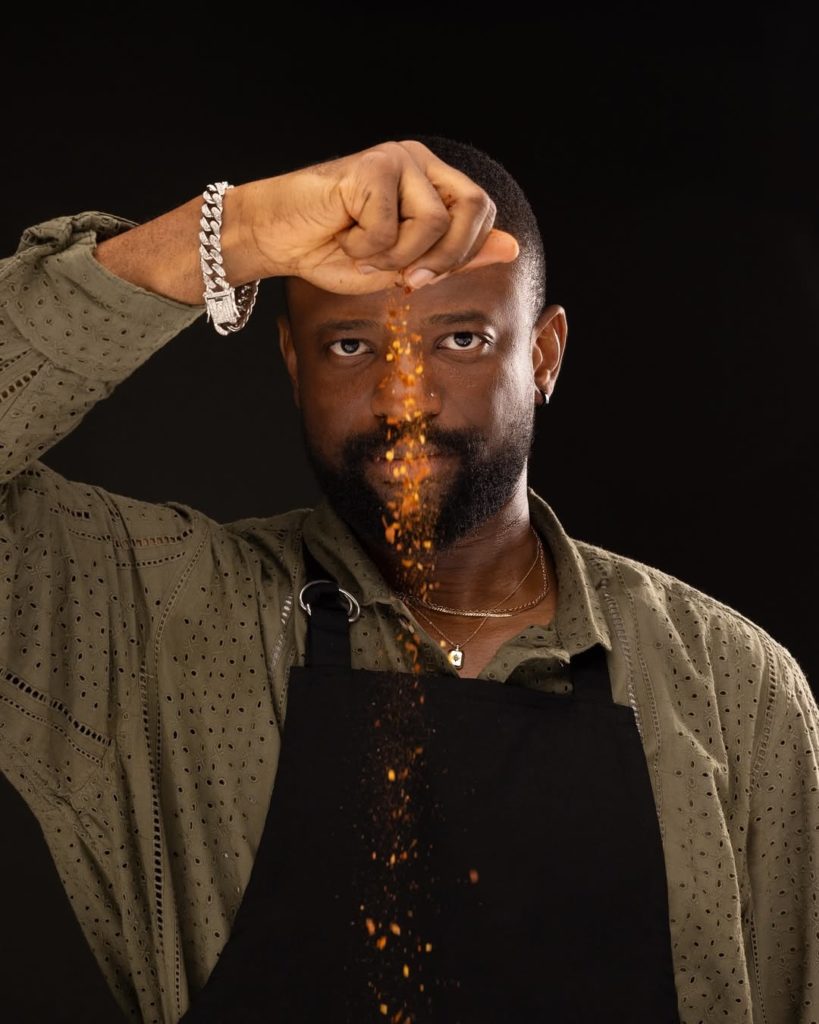
This interview has been edited for clarity and length.
When did you leave the country?
People don鈥檛 know that I鈥檝e lived in the UK before. So when I tell them I left in 2021, it sounds like I seem a bit too foreign for someone who just left that recently. But actually, I schooled in the UK and lived there for a while. When I came back to Nigeria, I like to say it was for NYSC, but the truth is, I was homesick. I was also in love, and NYSC just happened to be available at the same time, so I did it as well. I went to Anglia Ruskin University.
I studied architecture. I did a one-year foundation course at the same university, which was originally founded in Cambridge. I was in Cambridge for a year before moving to Chelmsford, Essex, for the main course.
What is the giveaway that you’ve been abroad for longer with people do you find?
The first thing is probably how I navigate diaspora living. Take my platform, for example鈥擨鈥檓 always sharing resources on ingredients and their alternatives. For someone who has only been living here for a few years, it might seem like, ‘How do you know all these things?’ It can come across as if I鈥檝e gathered a lot of knowledge about the struggles of living in the diaspora in a short time. Another thing is probably how I talk鈥攊t doesn鈥檛 give ‘newcomer’ vibes. I don鈥檛 think my accent is anything special. But interestingly, here in Canada, people mistake me for British, which I find funny because there鈥檚 nothing British about my accent. Still, some people say they can hear a bit of British in it.
Yesterday was a statutory holiday, but in the UK, they call it a bank holiday. So when I come into work, I might say, 鈥淒id you enjoy your bank holiday?鈥� or something like that. Using 鈥渂ank holiday鈥� is a giveaway that I鈥檓 from the UK.
Do you work full-time?
Last year, I left my full-time job. I was working as a climate resilience planner, focusing on climate action and preparing for the negative effects of climate change. My work was primarily related to buildings and carbon emissions. For example, we had clients鈥攍et鈥檚 say, in a Nigerian context, Ikeja Electricity鈥攚ho would come to us as consultants and say, 鈥淲e want to reduce our carbon emissions.鈥� We would then research their buildings and locations and provide recommendations on how to make them more sustainable. We鈥檇 also assess potential environmental risks. For instance, we could create a flood risk map and tell them, 鈥淏ased on our projections, your Ikoyi branch could be underwater by 2050, so you need to prepare for that.鈥� We have databases we use to reference this information before reporting back to clients.
ALSO READ: Emmanuella Samuel on Being a Child Star
Why did you leave?
I left on mutual consent, which is just a way of saying I was laid off. I decided to put all my focus on content creation for now.
Does monetising your content sustain you financially?
There are different factors involved. Content creation should be enough to sustain me, but unfortunately, I鈥檓 in a system where my cultural background and being a person of colour come into play. When it comes to brands paying creators, they often lowball me compared to what they鈥檇 pay a white Canadian counterpart with a smaller platform. So, there are always challenges. I鈥檓 still in the early stages of figuring it all out. Right now, all I can say is that things aren鈥檛 great, but I hope to navigate this space, grow, and eventually become a point of reference for others who want to take this path.
I think about financial security and peace of mind a lot. Being a content creator is almost like being a freelancer, and in Canada, TikTok doesn鈥檛 have a creator fund like in the US or the UK. So, Canadian creators don鈥檛 get paid directly from TikTok, unlike their US counterparts, who can actually sustain themselves solely from it.
Why don鈥檛 you do YouTube?
I鈥檓 not a YouTuber, but I should be. I feel like I was built for YouTube. I need to work on long-format videos, but it feels like a lot of work. I know I should immerse myself in YouTube because of my vlogs and recipes. My content really requires longer videos because short-form doesn鈥檛 always do it justice. Right now, I have to trim everything down to fit into one-minute clips. But there鈥檚 a big audience asking me for more in-depth recipe videos and vlogs that I don鈥檛 have to cut up so much. I see vlogging as a huge part of my platform鈥檚 future because I aspire to be a food and travel vlogger鈥攊f that makes sense.
I really want to explore West African food. I want to be the face of West African cuisine, the same way you have people representing Middle Eastern cuisine or British cuisine. We need that kind of representation. I feel like there’s a real opportunity for me to dive deep into it. When I started this, I didn鈥檛 have a long-term vision鈥擨 was just vibing. But as I鈥檝e found myself in this space, I鈥檝e begun to realise that there are opportunities and spaces where someone like me, with my interests, charisma, and talent, can actually be of value.
Will you say your food tastes good?
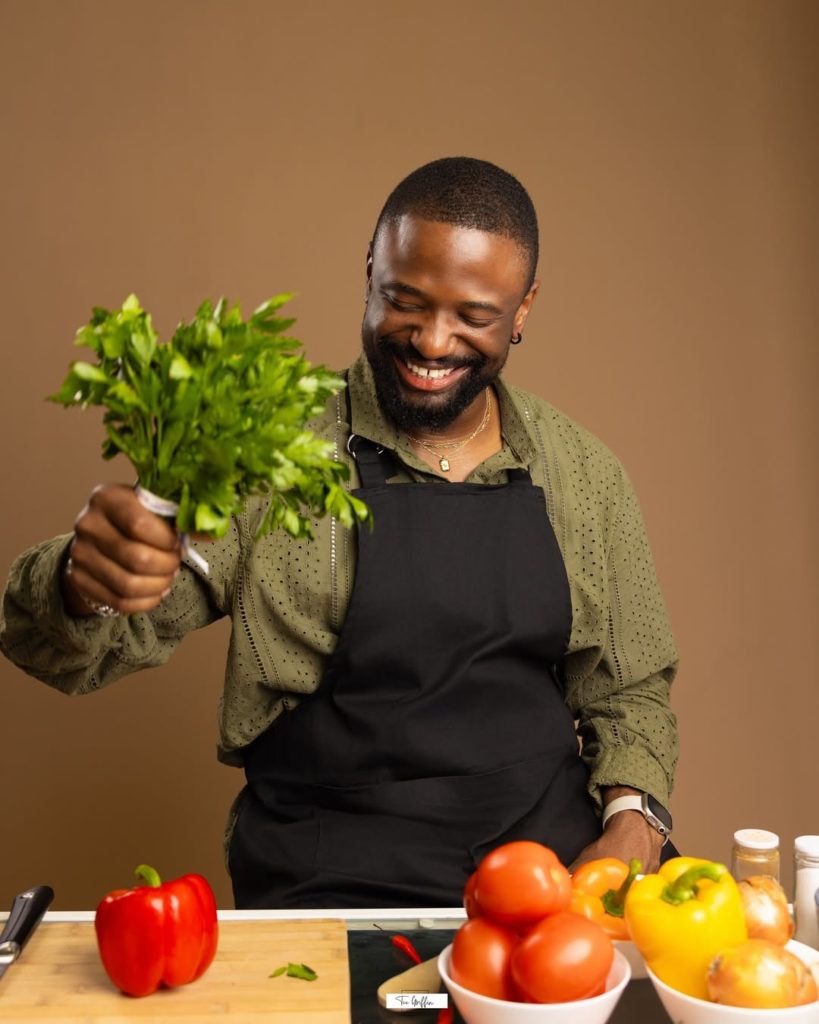
I like to believe my food is good. I know it is. The only problem is, most of the time, I鈥檓 the one tasting it. It always tastes good to me. I mean, if I cook nonsense, I鈥檒l know I cooked nonsense. If it鈥檚 not up to my standard, I鈥檒l know. But normally, when my food meets my own standards. I鈥檓 confident that anybody should like it. Anybody. And I think that confidence comes from knowing good food when I taste it鈥擨鈥檓 very strict with what I enjoy.
Honestly, part of the reason I started cooking was because I felt people were cooking rubbish鈥攏o offence. I鈥檇 go to a restaurant, and I just wouldn鈥檛 be satisfied. I鈥檇 think, 鈥淭his food could be better,鈥� and then I鈥檇 go home and make something better. So, I think I鈥檓 a good judge of good Nigerian food, especially when I taste something that鈥檚 not great.
Some people might think it鈥檚 alright, but when I give my constructive criticism, they often agree. For example, if I tell someone, 鈥淚 think this fish didn鈥檛 cook as long as it should have,鈥� I鈥檝e had moments where they admit, 鈥淵eah, I was actually a bit impatient.鈥� Everyone else might be eating it fine, but I鈥檒l feel like it could鈥檝e been crispier. It鈥檚 the little details that make a difference.
You broke against the convention when you put crayfish in creamy pasta.
The conversation around crayfish is funny because people still try to be shady or sneaky about it. And I鈥檓 like, excuse me鈥攖his is a shrimp dish, what do you think crayfish is? Crayfish is just an intensified shrimp flavour. It鈥檚 like shrimp on Pro Max. It鈥檚 a dried shrimp flavour.
One time, I made creamy pasta, and it tasted good, but something was missing. It was slacking. And from my gut, everything in me said, 鈥淭his thing needs crayfish.鈥� So I sprinkled a bit on it, and when I tasted it again, everything came together. What was a six became a solid eight. I always tell people, when you cook, just make a small batch and add crayfish to it鈥攕ee how it tastes. But I get why people don鈥檛 understand it.
I鈥檓 not even the biggest fan of crayfish in certain dishes. In my video with Justin Ug, he put crayfish in his jollof rice, and I pointed it out because he didn鈥檛 even realize it鈥檚 not standard to put crayfish in jollof. I鈥檓 Igbo, and even I go against my fellow Igbo people sometimes鈥攅specially Enugu people.
Even me, talking now鈥擨 grew up in a home where we put crayfish in jollof rice. On regular weekdays, my sister and mom used to cook jollof with crayfish, and it used to piss me off. Sunday jollof was different鈥攏o crayfish. But that everyday jollof? They always put it inside.
But I鈥檓 going to admit something I鈥檝e never admitted before鈥攕ometimes, you crave that native-style jollof. The one cooked with a little base of palm oil, smoked mackerel, and a bit of crayfish. It鈥檚 a nice dish, and it鈥檚 not complete without the smoked mackerel. I used to eat it at my uncle鈥檚 house. My cousin used to cook it, and I think it鈥檚 one of those rice dishes that they slow-cook, so it comes out firm but not sticky.
You鈥檝e also been in the thick of the 鈥淚gbo people are in Rivers鈥� debate.
I鈥檓 Igbo. And I鈥檝e been in the middle of that debate very aggressively recently because I feel like some people pushing that narrative are doing it for malicious reasons. It erases the identity of Igbo people in Rivers State.
The idea of Igbos in Rivers State shouldn鈥檛 be up for debate鈥攊t鈥檚 a very visible population. Even if you take the Ikwerre people aside, there are other Igbo groups, like the Ndoki people, which I am part of. We are very present in Rivers State.
The whole conversation is nuanced, but it has become trickier than it should be.
When it comes to the identity of Igbos in Rivers State, there are certain areas where we identify as Igbo. This whole recent argument of whether we are Igbo or not is a new phenomenon鈥攊t was never a thing before. Ikwerre people have decided to identify as Ikwerre, and I can respect that. What I don鈥檛 like is when they push the narrative that there are no Igbo people in Rivers State.
Ikwerre people should have their identity respected, but at the same time, Igbo people exist in Rivers State. Some accept this, and some oppose it.
Why do you think your content has resonated so much with people?
I think I was bringing something very new to the Nigerian food space. For a while, Nigerian food content wasn鈥檛 entertaining. What I brought was entertainment鈥攎y humour, my organic and somewhat unhinged energy. The thing is, before I became a creator, I was a consumer. I really consumed content. I know what good content should be like. I know what people will see and think, 鈥淭his looks good.鈥� And when I make good content, I know I鈥檝e made good content as well.
How did you start out as a creator?
It actually started with me posting food pictures on Twitter, and people would be like, 鈥淭his looks good.鈥� But at the same time, I already had a Twitter platform that wasn鈥檛 really food-related. I had maybe 4,000 followers, and I had tens of viral tweets鈥攋ust funny, unhinged thoughts.
So I started thinking about it. At the same time, people were telling me, 鈥淚zunna, have you thought of being a content creator?鈥� And this wasn鈥檛 even about food content; it was just about me being on the internet, making my unhinged and quirky jokes. And I thought, 鈥淢aybe if I can put these two things together, it will be something.鈥� So I did. I started pushing both for a long time.
When I moved to Canada, I was studying disaster management. And I told myself that after my program, I was going to take content creation seriously. So when I was done, I had no excuse.
At first, I was just doing it for the vibes, and I noticed people were really messing with what I was doing. It picked up on Twitter, and from there, I started pushing my Instagram and TikTok. Everything just grew at the same time. Twitter was my first big platform. When I had 13,000 followers on Twitter, I still had just 5,000 on Instagram and 3,000 on TikTok. Then, all of a sudden, I was looking at 15k, 30k, 40k鈥攁nd Twitter, which used to be my biggest platform, became my smallest. And I liked it that way.
I think I deliberately didn鈥檛 grow my Twitter account as much as my Instagram because I wanted to maintain a space where I could still be unhinged. I didn鈥檛 rebrand it into a 鈥淐ook with Izunna鈥� page. I just remained Izunna Dike.
I have seen them drag you a couple of times.
That鈥檚 actually one of the reasons I didn鈥檛 want my Twitter page to get too big鈥攂ecause even as small as it is, it already feels too big. I think everyone just wants a place where they can be normal.
For a long time, I was very anti-burner account, but I realised that if I had to say it in secret, then there was no point saying it at all. It wasn鈥檛 that I was saying wild things鈥擨 was just being honest. But like someone once said, 鈥淭witter is not a school of philosophy where you exchange knowledge and have discussions. It鈥檚 a place where you support your guy and wish the other guy death.鈥� It鈥檚 a dog-eat-dog space.
Sometimes, I bring up conversations, hoping people will engage with opposing views in a respectful way, but instead, people just attack me, and then I go at them too, and it gets chaotic. I haven鈥檛 done that in over a year now. I鈥檓 still a little mischievous sometimes because I can鈥檛 completely let go of the banter, but I don鈥檛 say anything that鈥檚 problematic or deliberately provocative anymore.
There are some topics I see and just skip. Like when it comes to conversations about women and abortion, I remind myself, 鈥淚zunna, you鈥檙e a man. Just skip.鈥�
Do you see yourself living in Nigeria full-time?
I would love to live in Nigeria, but I don鈥檛 think the country offers me the security I want. When there鈥檚 inflation here in Canada, you鈥檙e not too scared because the people in charge are sensible enough not to let it get out of hand. But when things start getting bad in Nigeria, you just don鈥檛 know how bad it can get. Living in Nigeria means living with uncertainty. And then there are other forces, like landlords. Look at what鈥檚 happening in Lagos. Even when I convert my dollars to naira, things are still expensive. The amount you pay for an Uber in Nigeria sometimes feels like you鈥檙e paying more in Canada鈥攂ut for a less comfortable ride.
Where do you see yourself in five years?
I really hope to have a flourishing YouTube show where celebrities cook with me. It鈥檚 like a podcast, but we鈥檙e cooking. The concept is that we go grocery shopping together, plan and cook a meal, and while we鈥檙e cooking, I ask them questions. We just have a conversation. That鈥檚 more of a long-term vision for where I see myself.
But ultimately, I see myself travelling to understand different palettes around the world so I can bring that knowledge back to Nigeria and say, 鈥淭his is something you鈥檒l love.鈥� I really want people to trust my taste so that when I say something is good, they believe me and enjoy it too.