In music, one great album can feel like lightning in a bottle. Two might prove that an artist wasn’t lucky the first time. But three excellent albums in a row? That’s a rare streak.
For a Nigerian artist, achieving this means navigating a fickle market and a rapidly shifting sonic identity. Whether it’s the indigenous rap takeover of the early 2010s, the R&B-infused pop of the mid-2000s, or the modern global expansion of the late 2010s, these album runs represent the moments when these ten artists held the entire industry in a chokehold.
These are the 10 Nigerian artists who delivered the most flawless three-project streaks in history.
10.
Run: Yahoo Boy No Laptop (YBNL) (2012) → Baddest Guy Ever Liveth (2013) → Street OT (2014)
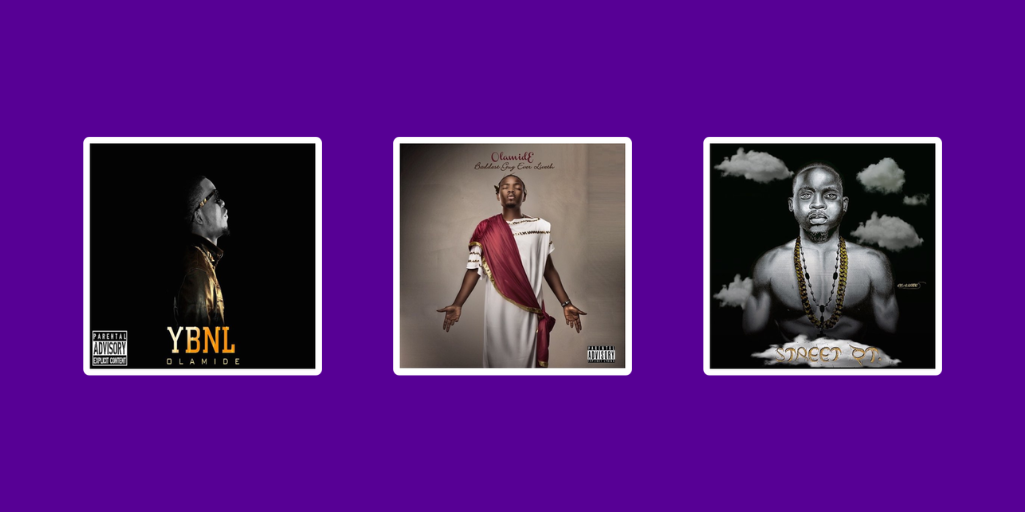
Between 2012 and 2014, Olamide was the undisputed voice of the streets. He won the Headies’ Album of the Year for all three of these consecutive projects, a feat that may never be repeated. gave hits like “First of All� and stretched his impact beyond the underground. leaned fully into his braggadocious street persona, while delivered massive records like “Shakiti Bobo.� Together, these albums cemented Olamide’s influence on Nigerian street pop and rap.
9.
Run: Superstar (2011) → Ayo (2014) → Sounds From the Other Side (2017)
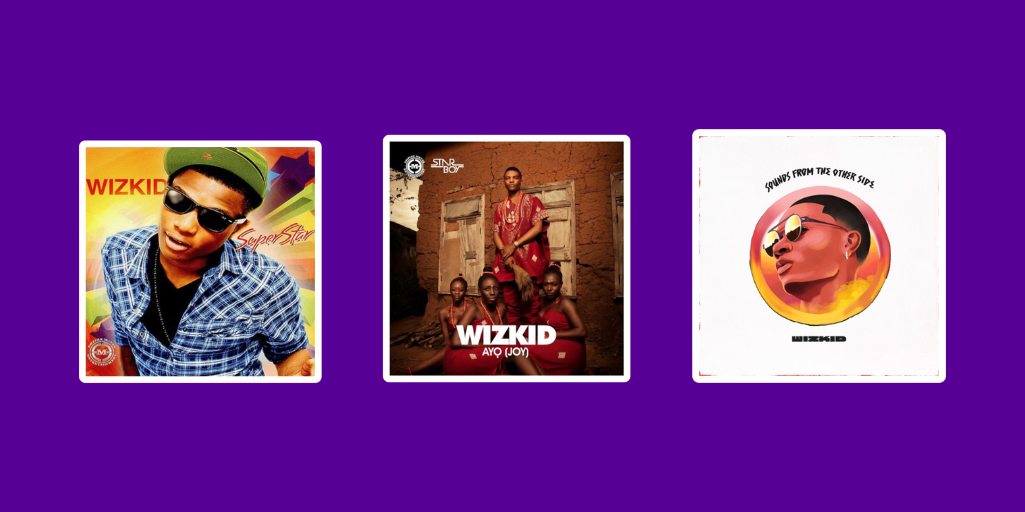
Wizkid’s run follows the evolution of a boy wonder into a global icon. (2011) is arguably one of the most influential debuts in Afrobeats history. The album produced generational hits like “Holla at Your Boy,� “Pakurumo� and “Tease Me.� (2014), features the timeless “Ojuelegba� and secures his status as a local legend. (2017) is Wizkid boldly experimenting with R&B, Caribbean and other international sounds, to lay the groundwork for the global “Made In Lagos� era that followed.
8.
Run: Once Upon a Time (2013) → R.E.D (2015) → Celia (2020)
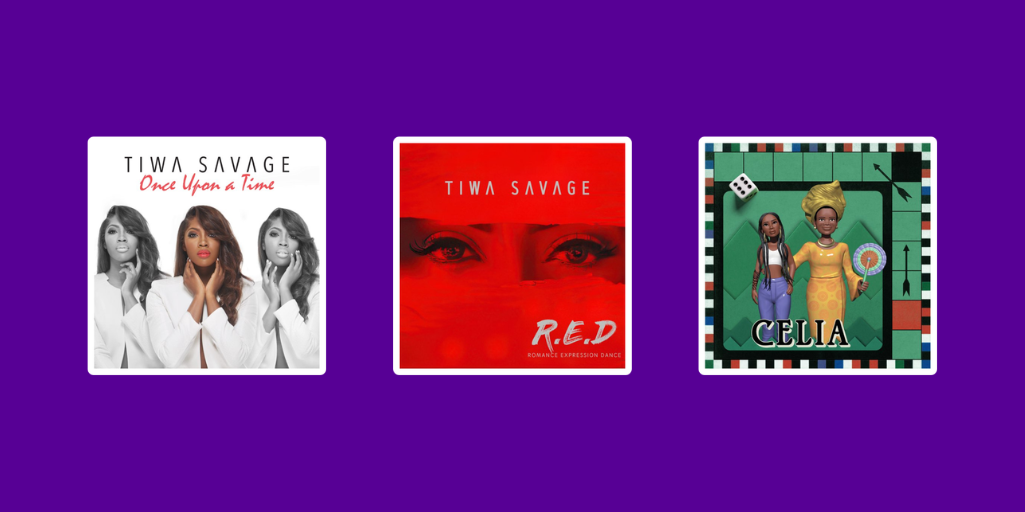
The African Number One Bad Girl built her legacy on this formidable three-album run. Tiwa Savage’s debut, , arrived in 2013 when Nigerian pop was still heavily male-dominated. It immediately establishes her as the country’s leading female pop star. It has hits like “Kele Kele Love,� “Love Me� and “Eminado.�
She followed with (2015), which is packed with commercial singles like “My Darlin� and “Standing Ovation.� Years later, (2020) increased her global reach with collaborations with Sam Smith and Davido. The album also debuted on the Billboard World Albums chart and earned a spot on Time Magazine’s best albums of the year. Tiwa Savage remains one of the most internationally visible African pop stars of her generation.
7.
Run: Talk About It (2008) → MI2: The Movie (2010) → The Chairman (2014)
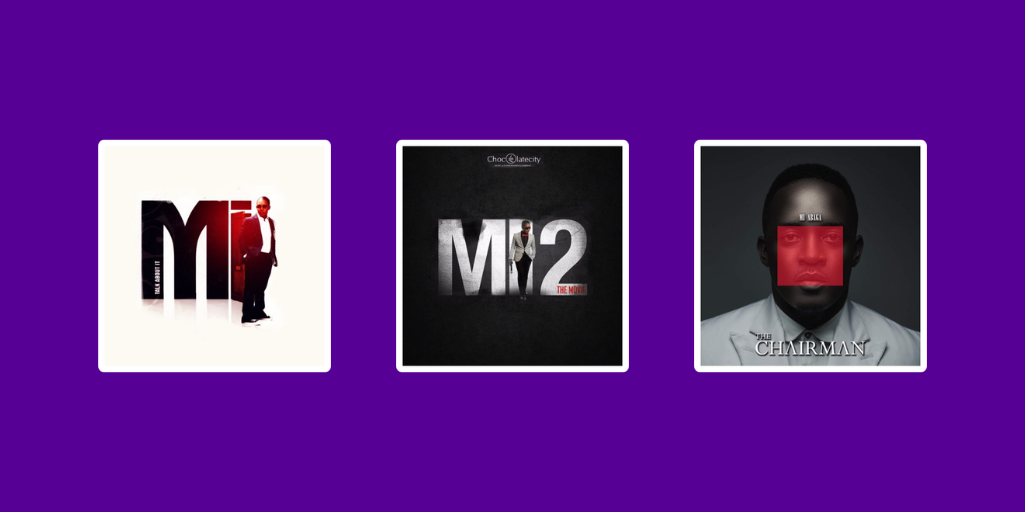
M.I. Abaga’s albums feel like cinematic experiences; he knows how to curate music. (2008) redefined Nigerian Hip-Hop. (2010) is a star-studded blockbuster that has a commercial edge Nigerian Hip-Hop needed at the time. (2014), after a four-year wait, proved his lyrical and conceptual brilliance with songs like “Bad Belle�, “Human Being� and “Brother.� Again, he proved he could evolve with pop trends and still be light-years ahead of the competition.
6.
Run: Mr. Money With The Vibe (2022) → Work of Art (2023) → Lungu Boy (2024)
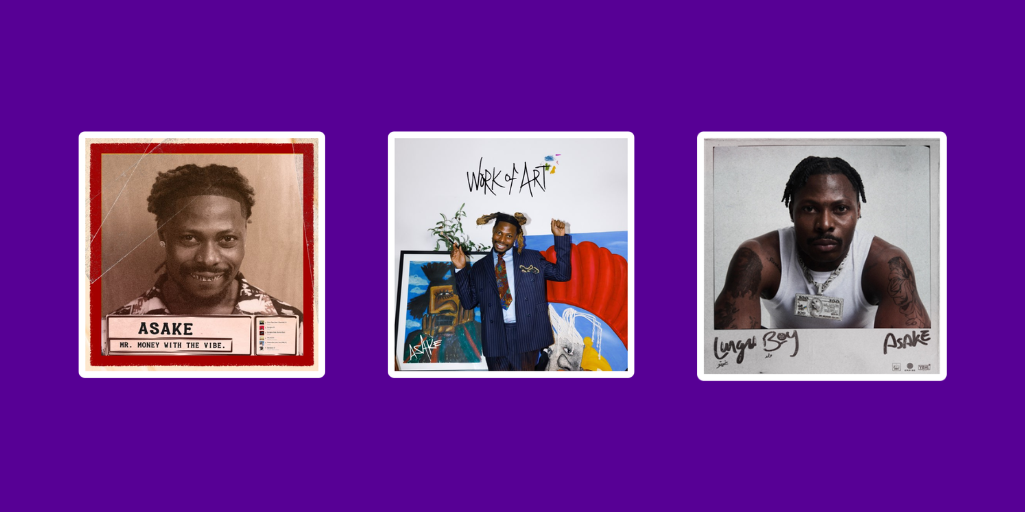
Few modern artists have dominated the Nigerian charts as quickly as Asake. His debut , broke multiple streaming records on Apple Music Nigeria and Spotify and had hits like “Joha,� “Terminator� and “Sungba.� He followed with Work of Art, which delivered the smash single “Lonely at the Top�, one of the longest-charting Nigerian songs on streaming platforms. His third album, Lungu Boy boosts his commercial momentum and global expansion.
5.
Run: Outside (2018) → African Giant (2019) → Twice As Tall (2020)
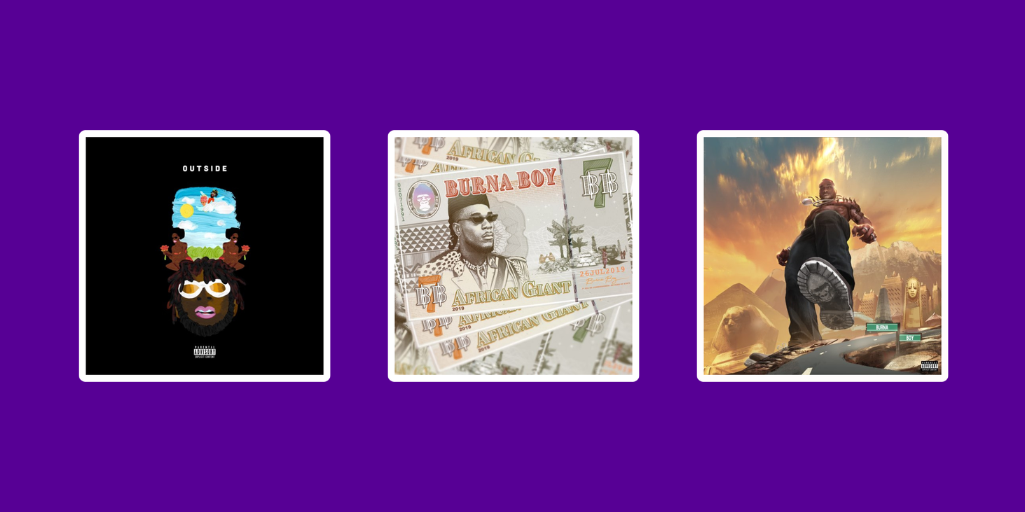
This is Burna Boy’s “ascent to the throne� run. He went from a misunderstood genius to a global phenomenon in three steps. (2018) gave us “Ye� and a new Afro-fusion blueprint; (2019) is a sprawling, Grammy-nominated masterpiece. (2020) followed next and finally secured the Grammy. This run proves he’s exactly who he said he was: an African giant.
READ NEXT:Ìý20 Nigerian Albums That Shaped Gen-Z
4.
Run: Certificate (2006) → Gongo Aso (2008) → Tradition (2009)
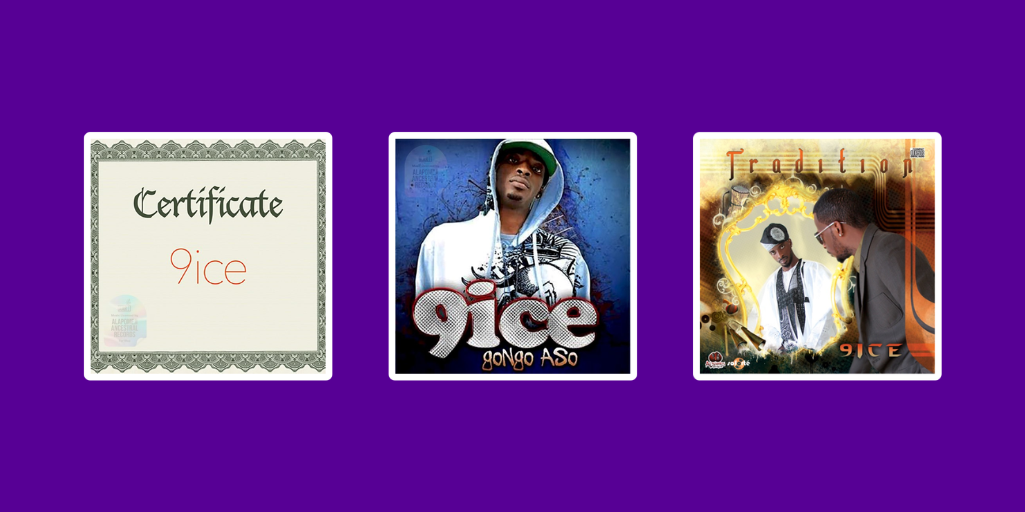
9ice’s run was legendary, one that many young people today will not understand. (2006) showed his potential as an indigenous powerhouse and pushed him into mainstream superstardom. (2008) swept every award in sight when it came out. (2009) followed up with hits like “Gbamu Gbamu.� With these albums and their indigenous winning formula, 9ice owned the streets.
3. P-Square
Run: Get Squared (2005) → Game Over (2007) → Danger (2009)
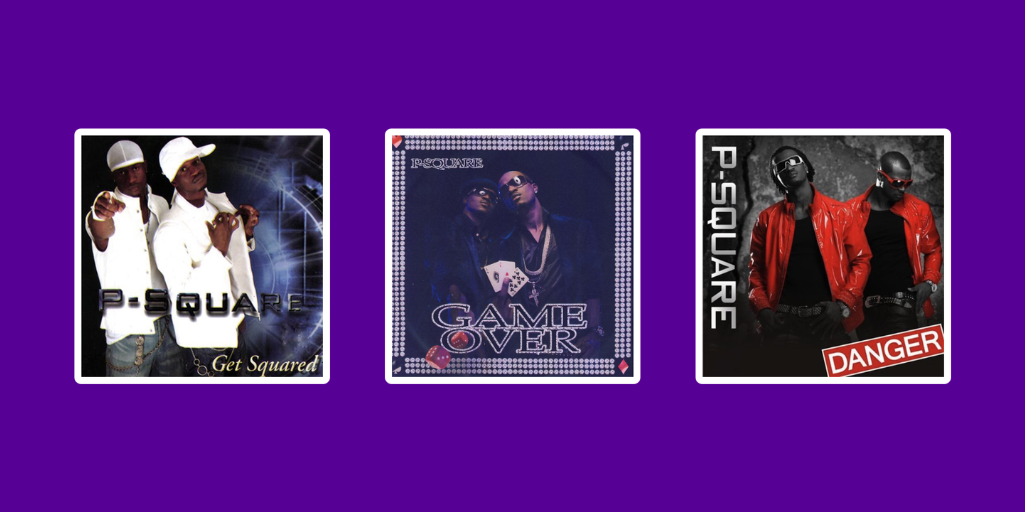
The Okoye twins’ released albums that felt like national events. (2005) made them African superstars; (2007) became one of the best-selling African albums of all time with hits like “Do Me.� (2009) proved they could easily maintain that white-hot momentum.
2.
Run: Asa (2007) → Beautiful Imperfection (2010) → Bed of Stone (2014)
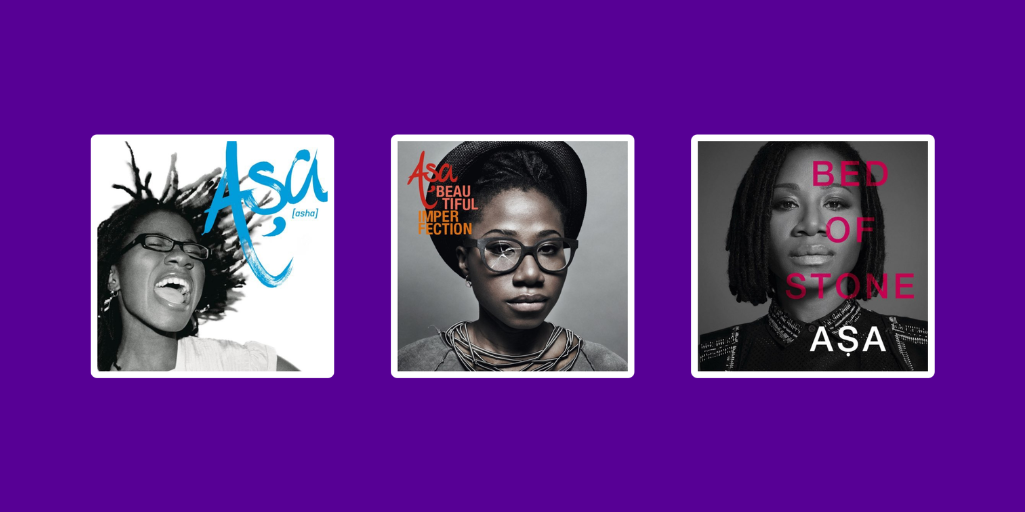
Asa’s self-titled debut, (2007), remains one of the most critically respected Nigerian albums ever. It’s a classic that introduced “Jailer.â€� Her second album, (2010), features a brighter, more upbeat, soulful production. It alsoÌý produced the widely loved single “Be My Man.â€� Her third album, , continued her reputation for thoughtful songwriting and emotional depth. These albums cemented Asa as one of the most artistically consistent voices in modern Nigerian music.
1.
Run: Face 2 Face (2004) → Grass 2 Grace (2006) → The Unstoppable (2008)
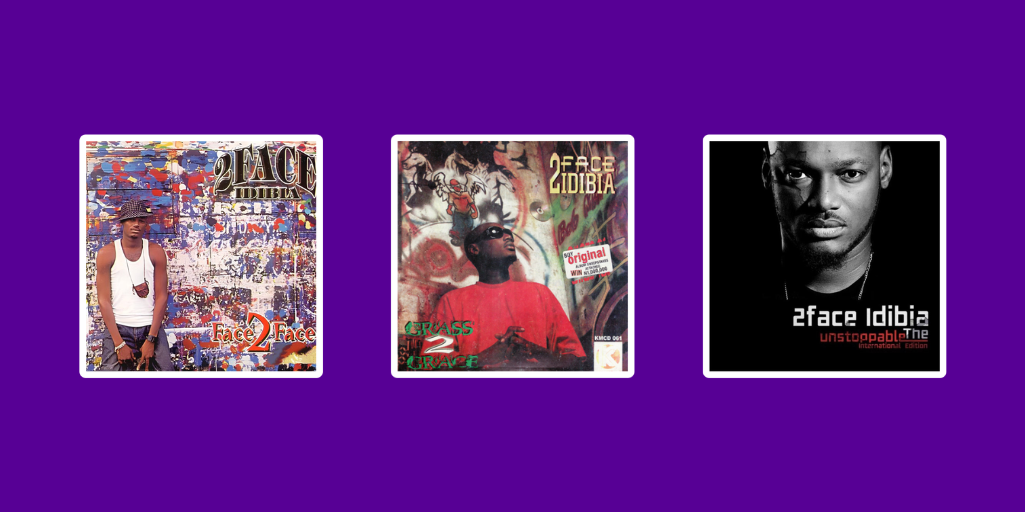
2Baba’s first three solo projects provided the foundation for the contemporary Nigerian music industry. (2004) gave us “African Queen,� one of the most important Afropop songs ever recorded, which helped introduce Nigerian pop to wider African and international audiences. (2006), his sophomore, has big hits like “If Love is a Crime.�
In 2008, he released , an experimental project that continued his momentum, featuring songs such as “Enter the Place�.