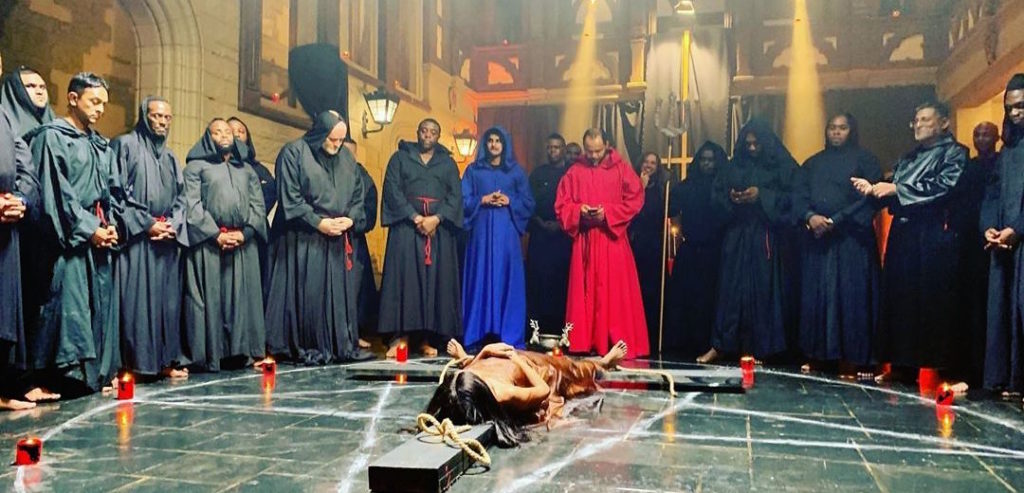
Early this year, the Nigerian Parliament Nollywood of promoting ritualism through films and influencing Nigerians to commit crimes. But if you ask me, I don鈥檛 think we鈥檙e doing enough juju in Nollywood these days and it sucks.聽
Over the past couple of years, the eyes of the world have turned towards Nollywood, with streaming apps popping up with deals left and right. Not long ago, Netflix only showed movies that have played in the cinema, and now, they have their first original series, Blood Sisters. Honestly, it鈥檚 the growth for me.
But while these significant moves open us up to the world, I鈥檓 worried we might be losing some of the things that made Nollywood unique in the first place.聽
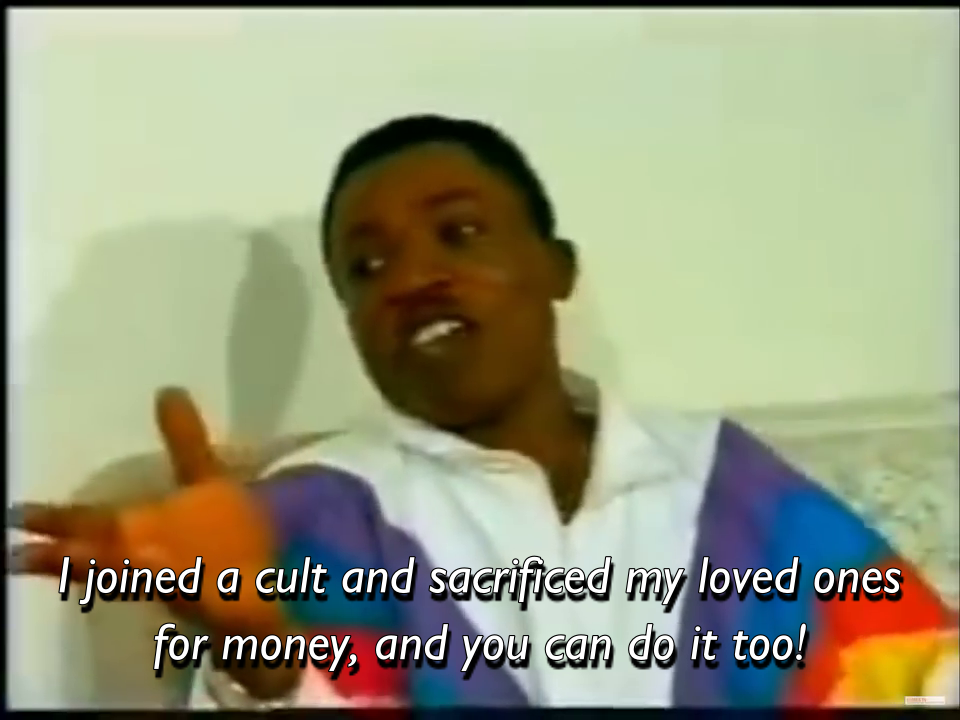
When Ken Nnebue鈥檚 Living in Bondage came out in 1992, there was nothing like it. The film Introduced us to its unlikeable protagonist, Andy Okeke (Kenneth Okonkwo) and his thirst for wealth that saw him sacrifice his ride-or-die girlfriend, Merit. Living in Bondage not only started what we know as Nollywood today, but it also set off a deluge of films in the 1990s exploring themes surrounding blood sacrifices and supernatural elements: Blood Money, Karashika, End of the Wicked, Nneka the Pretty Serpent, etc.
This trend continued into the 2000s, with most of the films being moralistic tales of 鈥測ou reap what you sow,鈥� 鈥� if you do juju, you will suffer the consequences. Nigerians were obsessed! We watched these films repeatedly, knowing fully well that they all ended the same way 鈥� a deliverance in church or someone running mad.
So what went wrong?聽
There are only so many times a young man who just landed in the big city will sacrifice his wife and die from mysterious circumstances. The narrative became repetitive especially as the same actors were typecast for the same roles over and over again until it became their real-life identity. Like Kanayo O. Kanayo, for example..

With nothing new being added to the genre and the internet giving us more film options, juju in Nollywood quickly became 鈥渞azz鈥�. After all, it looked nothing like the the allure and flashiness of Hollywood.
RECOMMENDED: The 91大神 Guide to Making a Nollywood Romantic Comedy
Thriving in spite of a romcom overload
When The Wedding Party hit Nigerian cinemas in 2016 and became the highest-grossing film at the time, romantic comedies officially cemented their spot as the new Nollywood cash cow. Weekend after weekend, we watched one wedding, funeral or 鈥淚JGB looking for love鈥� film after another with painfully similar storyline, same class of actors and Instagram celebrities.
And just like that, the same thing that affected old Nollywood bit new Nollywood in the ass.聽
Despite Nollywood鈥檚 insistence to milk this ensemble comedy genre, films exploring juju have thrived on the sidelines. C.J Obasi鈥檚 2014 horror film, Ojuju is one such projects. The problem is ; instead, they were screened in other countries for white-centric audiences.
This sidelining of juju-themed films changed with the success of Play Network鈥檚 Living in Bondage: Breaking Free, a remake of Ken Nnebue鈥檚 1992 classic. It was followed by Surreal 16鈥檚 Juju Stories and more recently, Dare Olaitan鈥檚 brilliant Ile Owo.
We need more juju in Nollywood
Now more than ever 鈥� especially after films like the Chief Daddy franchise and Glamour Girls, Nollywood needs to return to the drawing board. The industry constantly complains about funding, but Nollywood thrived in the 1990s and 2000s, even in the face of piracy.
What we need now are intentional stories and, yes, more juju. Forget parliament 鈥� last time I checked, they too. If recent films like Ile Owo and Juju Stories are anything to go by, it鈥檚 clear that Nigerians look for diversity in the entertainment we consume.聽
Juju films showcased Nigerians in a way other films didn鈥檛. From the hustle of the everyday man to the belief in the sometimes quixotic grass-to-grace Nigerian dream, Nollywood scripting once had range 鈥� and filmmakers are capable of showing such range again.
It鈥檚 easy to dismiss films with supernatural elements as hyperbolic misrepresentations of our society, but they鈥檙e more than that. If executed properly, these films hold a mirror to who we are, and/or can be as human beings when pushed to a corner, especially when no one else is watching.
For example, in flicks like Love Potion and Suffer the Witch off Surreal Collectives鈥� Juju Stories, filmmakers explored obsession and consent in unique ways. Similarly, Daniel Oriahi鈥檚 Sylvia tackled mental health through the lens of a man dealing with his spirit wife. These themes are not new to Nigerians, but for some reason, they don鈥檛 get nearly as much screen time like new Nollywood鈥檚 run-of-the-mill party-themed romantic comedies.
The aforementioned films offer a more nuanced approach to juju storytelling. And if Nollywood wants to make juju-themed films again, they need to be conscious of how Nigerians have changed and evolved over the years. I refuse to settle for the old tropes and porous stories that characterised films from the past. Religion has evolved 鈥� to an extent, and I will ask questions when and if I have to.聽
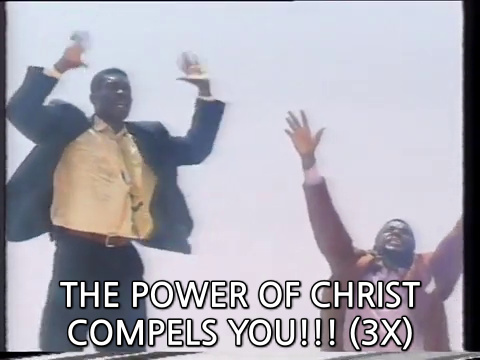
I understand now that sometimes, religion may not be the solution to all my problems. I also understand that sometimes, karma unlooks, and the bad guy wins. These are the things I鈥檇 like to see. Swap the moralistic tales for realistic lessons because the truth is, the evil that men do don鈥檛 always come to bite them in the ass 鈥� and that鈥檚 just life.
ALSO READ: Nollywood Keeps Doing Remakes, So We Ranked Them From Best to Worst