The premise of Freedom Way, which finally hits cinemas on July 18, is one that many young Nigerians will find familiar: The police stop young men, try to extort money from them, and then things go south.
Afolabi Olalekan, the film鈥檚 director, knows this scenario all too well. It鈥檚 happened to him multiple times. But one experience in 2017, when he was detained for nine hours, left an indelible mark.
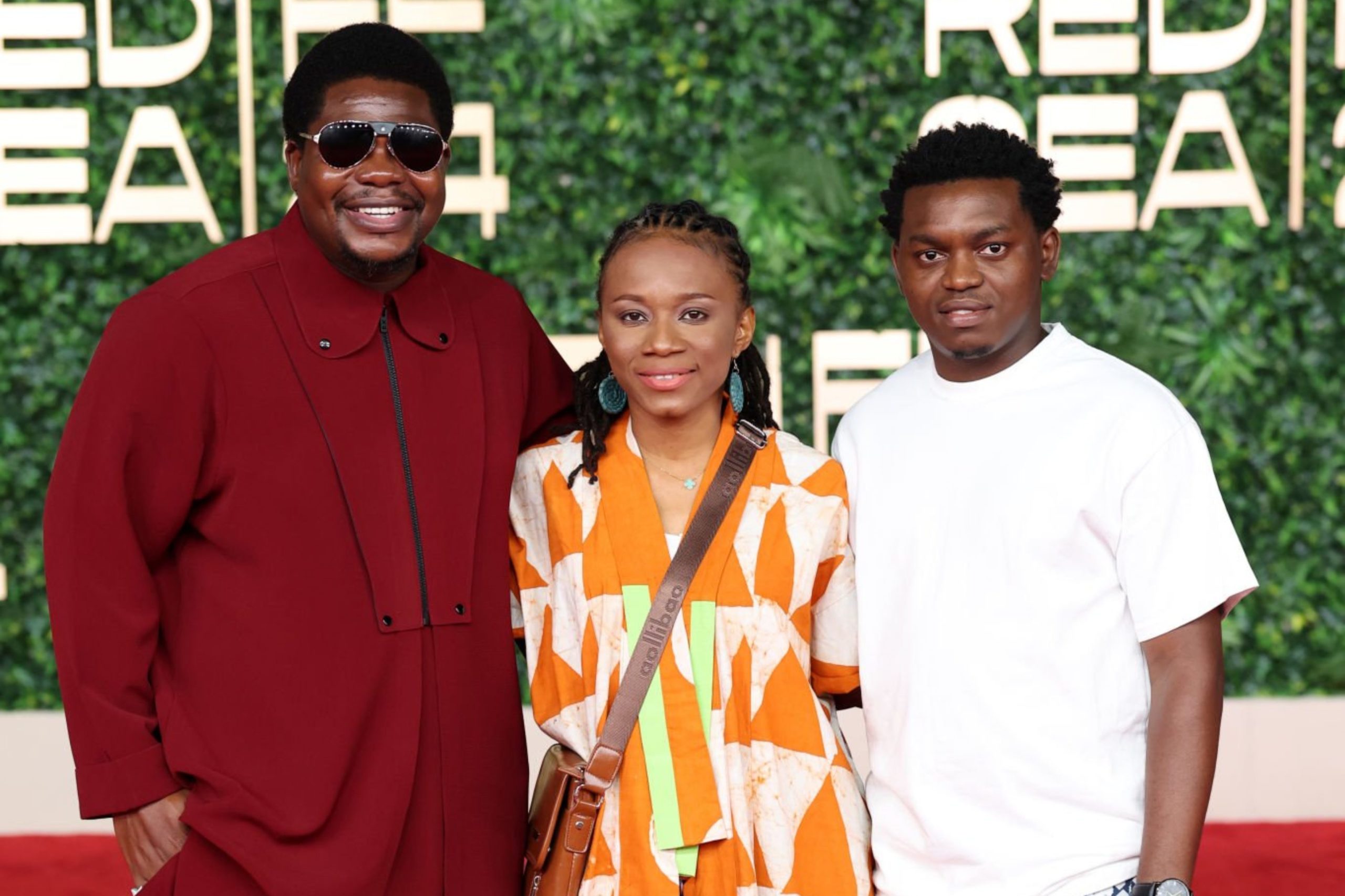
Freedom Way, which won 鈥楤est Movie鈥� at the Africa Magic Viewers鈥� Choice Awards (AMVCA) in May, was written and produced by Blessing Uzi. When she first sent Olalekan the script, she hadn鈥檛 intended for him to direct it. But as he read it, he couldn鈥檛 shake the memory of that night in 2017. And that eventually compelled him to come on board as the director.
In an interview with 91大神, he opened up about what happened that night.
This is Afolabi Olalekan鈥檚 story, as told to Dennis.
A friend of mine wanted to buy a car. She鈥檇 been saving up for a while but knew next to nothing about cars. In fact, she was just learning how to drive. So she asked for my advice. I told her to play it safe; go for something simple, cost-effective, and easy to maintain.
I shared a few options with her, and she made her choice. I reached out to a car dealer I knew in Ikeja, and a few weeks later, we went to inspect the car. She paid for it but didn鈥檛 take it home that day.
Not long after, I travelled for work. When I got back a week later, she asked if I could help drive the car to her house in Chevron. I agreed.
I had a simple enough plan: Pick up the car in Ikeja, stop by my office in Lekki Phase 1, and then head to Chevron.
But things didn鈥檛 go my way.
I picked up the car as planned and went to my office. I spent about an hour and a half there before heading to Chevron. But as I approached Ikate, the police pulled me over. They were not in uniforms. The only identifiers were the jackets they wore.
I immediately flashed back to an incident that happened a while ago. I was still living in Ajah at the time. After wrapping up a music video shoot, a few of my friends, who were also part of the crew, decided to head to my office nearby to crash for the night. We were all dressed in black.
On the way, the police stopped our car and asked for my ID. I told them I didn鈥檛 have my work ID on me but showed them my international passport instead.
鈥淲hy won鈥檛 you have your work ID?鈥� someone muttered from behind.
Suddenly, one officer pulled out a whip. Another raised a baton.
I calmly explained that this was the only ID I had. Then, out of nowhere, I felt a bang. One of them had struck me on the back with the baton.
I already had back pain before that night. But after that blow, it worsened, and I ended up needing years of physiotherapy.
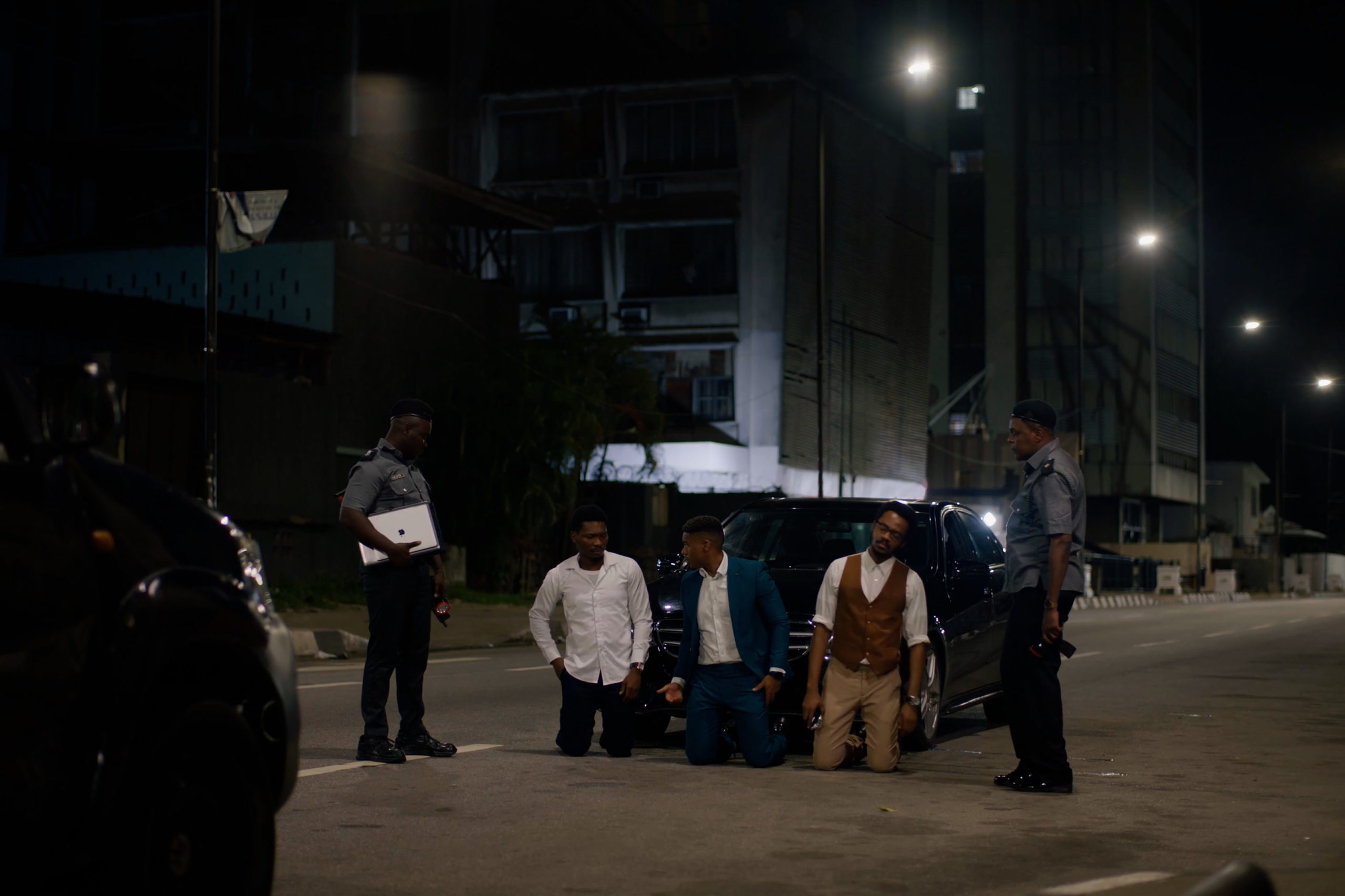
So when I was pulled over again that day near Ikate, I knew I had to stay calm and not escalate the situation. There were about five officers. One of them asked why I was driving a car without a plate number. I explained that it was a new car. They asked for the papers, so I got out and gave it to them.
One of them pointed out that the ownership was addressed to a woman. I explained to them that it was for a friend who had just bought the car, and I was driving it to her.
ALSO READ: Onyinye Odokoro Left Nursing, Now She鈥檚 Chasing Nollywood Dreams
To clear any doubt, I made a video call to my friend. I handed the phone to the officers, and she spoke to them, assuring them that the car was hers. When the call ended, one of the officers managed a joke: 鈥淚n this economy, some people can still buy a car.鈥� I laughed, relieved.
But just as I was getting back into the car, another officer shouted, 鈥淗e鈥檚 lying! It鈥檚 a stolen vehicle.鈥�
Before I could react, one of them punched me in the back. Another officer grabbed me and threw me into their bus. It was past 7 p.m.
They hadn鈥檛 returned my phone after the video call. They took my watch and wallet, and we drove off. One of the officers got behind the wheel of my friend鈥檚 car and followed behind us.
My phone kept ringing. It was my friend calling, probably trying to find out where I was and whether I was still with the police. Soon, another friend, a guy, started calling too. I asked the officers to let me answer the call, to at least tell them where I was being taken. They refused. They also wouldn鈥檛 tell me where we were going.
We drove past Chevron and kept moving. At some point, the car my friend had just bought, now being driven by a police officer, sped past us and blocked another car on the road. They forced the driver out.
I couldn鈥檛 hear everything, but they brought the man to our bus. Then one of the officers got into his car and drove off with it. The man tried to explain that he didn鈥檛 have much fuel. He said he lived nearby and was just running an errand. He said the car couldn鈥檛 go far. They didn鈥檛 listen.
We kept driving, all the way to Awoyaya, near Epe.
Eventually, we turned around. My phone was still ringing, and this time, they finally let me answer. I told my guy friend what had happened. He asked which police station they were taking me to, but the officers wouldn鈥檛 say.
Finally, one of them said, 鈥淭ell them to come to Second Rainbow.鈥� I repeated it to my friend. Seconds later, they snatched the phone out of my hand again.
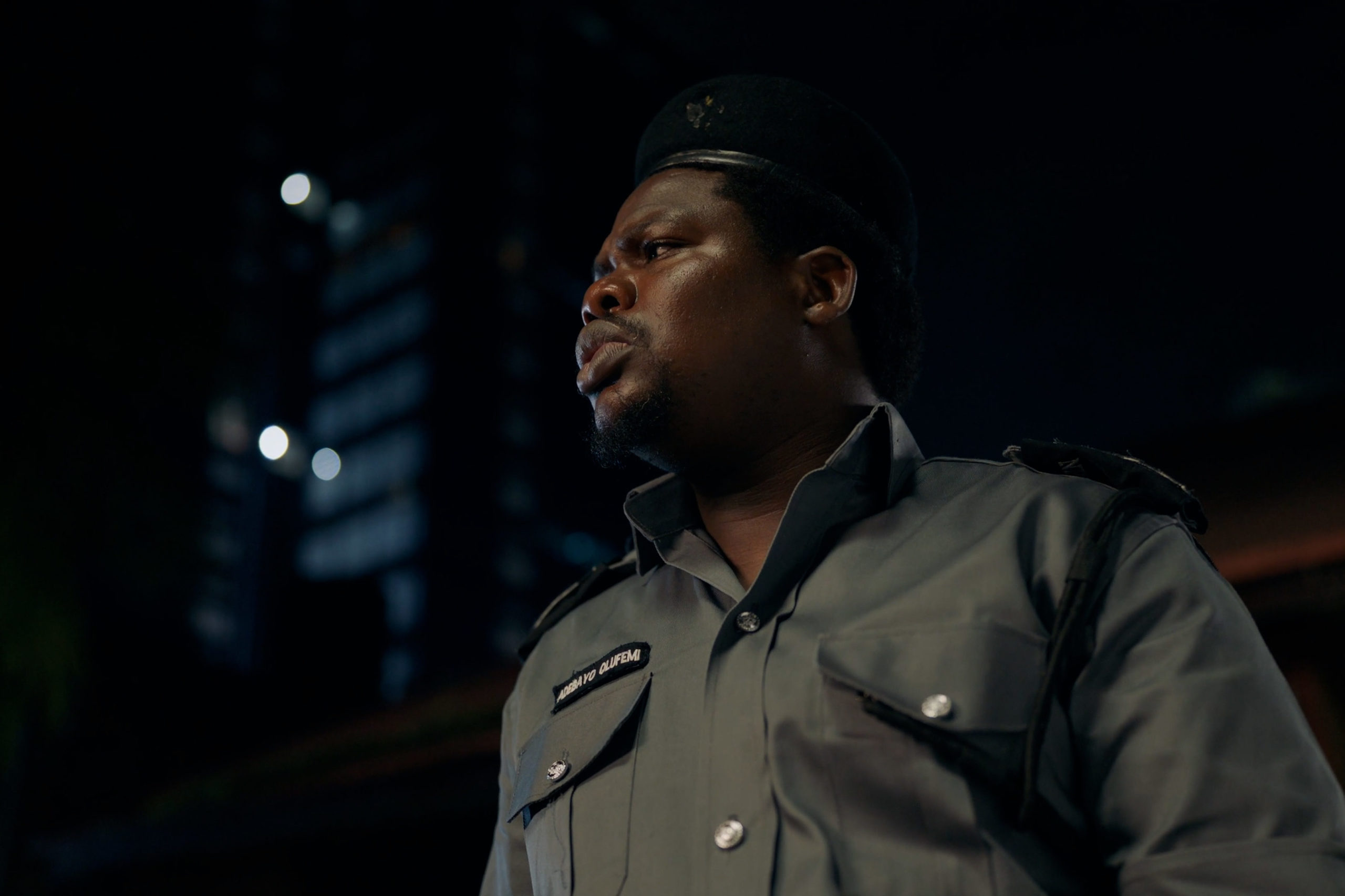
They stopped another car. The driver was just a boy. He couldn’t have been more than 20. He told them the car wasn鈥檛 his, that it belonged to his brother, and he had only stepped out to run a quick errand. He said he lived nearby and could call his brother to confirm. They seized his phone and threw him into the bus with the rest of us.
When we got to Ajah, one of the cars broke down, the one driven by the man who had warned them about low fuel. They told him to get off the bus, and they drove off, leaving him stranded on the road late at night.
They later picked up yet another man at Abraham Adesanya. Now there were seven of us. It was 2 a.m., and my phone had stopped ringing. The battery had died after hours of missed calls. My friends had been worried sick. The friend who owned the car had reached out to others when I stopped picking up.
The station we arrived at was filthy and chaotic. Behind the counter, young men sat on the floor. Some looked like they were coming back from work. Others looked like they鈥檇 been dragged from their homes. There were at least 30 of them. Maybe more.
One of the officers asked me to write a statement. Meanwhile, my friend had arrived and was standing outside, speaking to another officer. Later, I found out they asked him to pay 鈧�150,000. He made the transfer. I was mad. They hadn鈥檛 even investigated whether the car was stolen.
After I finished writing the statement, they returned my phone, wallet, watch, and the car keys. Just like that.

As I was leaving, I saw the young boy they had picked up, the one who said the car was his brother鈥檚. He still hadn鈥檛 been allowed to call his family.
Outside the station, I spotted the same officers who had stopped me. They were piling back into the bus that had brought us in. They looked giddy, almost celebratory.
It had been their night.