It started with:听听

Over the course of a single weekend, TG Omori鈥檚 tweet sparked a wave of reactions online. What some people have brushed off as 鈥渏ust a personal opinion鈥� ended up inspiring others to repeat harmful language about queer people. When someone with a large platform, such as 2.3 million followers on X, shares a view, even casually, it can influence how others behave. The entire debacle reveals a bigger issue in the Nigerian entertainment space, where homophobic comments often turn into moments of clout, engagement, and culture-shaping conversations.
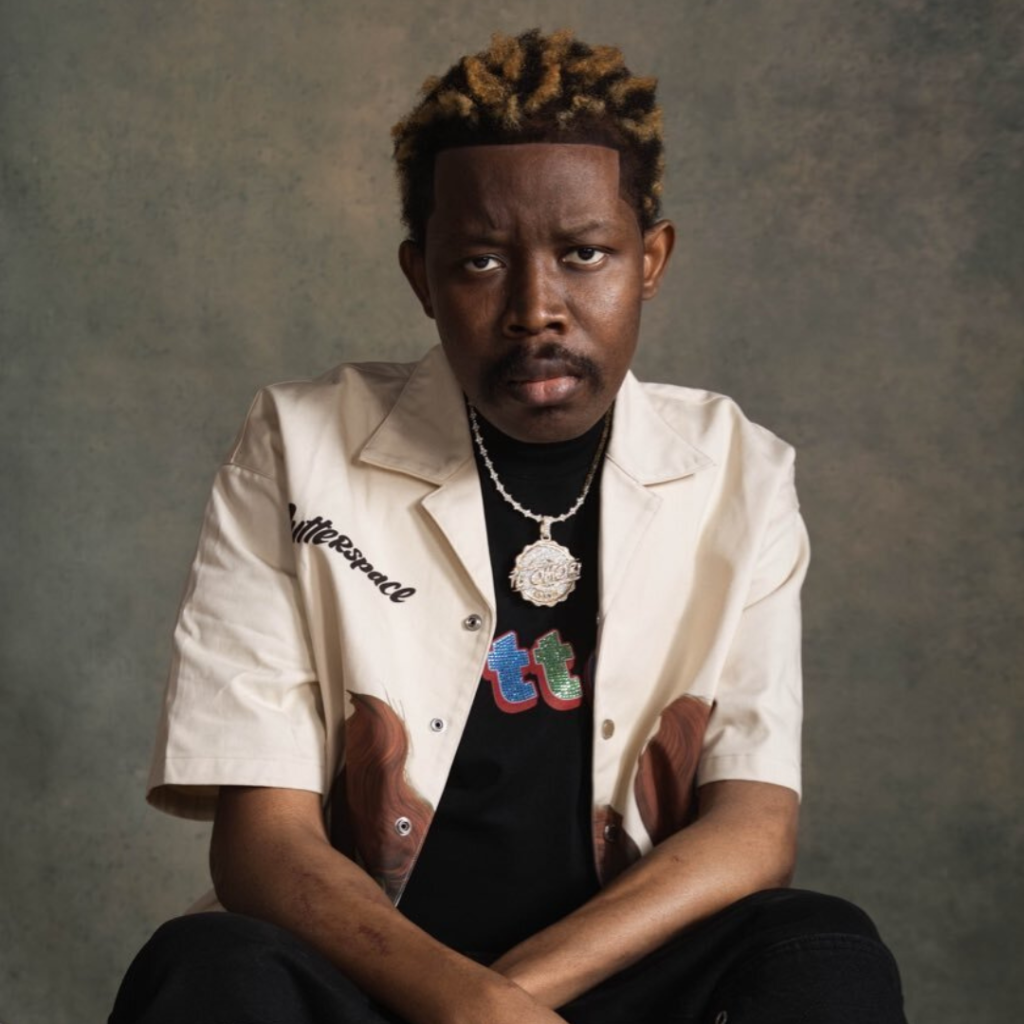
Behind the barrage of replies and quote tweets, there was something more insidious than moralising hate: a product promotion. As the public uproar grew, TG Omori was simultaneously.
In the attention economy, outrage often equals profit. For celebrities, controversy can drive engagement, and engagement can be converted into sales.
This isn鈥檛 an isolated event. Whether it鈥檚 subtle hints in lyrics or outright harmful comments in interviews, TG Omori鈥檚 tweet falls into a long pattern of homophobic messaging from some Nigerian entertainers. When queerness is described as 鈥渆vil,鈥� it sends a signal that discrimination is acceptable, making it easier for people to use hate as content and as a way to stay relevant.
TG Omori鈥檚 dangerous provocation
TG Omori calling same-gender sex 鈥渆vil鈥� isn鈥檛 just a careless insult. Framing it as a moral opinion gives his words a kind of false legitimacy, making the harm easier to excuse. As a public figure, TG鈥檚 influence amplifies his statement. As a creative and entrepreneur, the resulting outrage fuels his brand. And all the while, queer Nigerians are left exposed to the ensuing blowback, both online and in real life.
READ NEXT: The Nigerian Government is Enabling the Murder of Queer People听
A pattern: Homophobia in Nigerian Pop music
TG鈥檚 tweet may have brought the issue into the spotlight, but he鈥檚 far from the first person in Nigerian entertainment to weaponise anti-queer sentiment.
The weekend鈥檚 viral moment also highlights the double standard embedded in Nigerian pop culture. Nigerian pop culture borrows heavily from queer aesthetics, with androgynous styling, flamboyant fashion, and gender-bending choreography frequently appearing in music videos, performances, and album visuals. Yet it cannot exist safely in the bodies of the people who are actually queer. When it comes to queer people living in Nigeria, the same artists often condemn, dehumanise or ridicule them.
These incidents underscore a troubling pattern of mainstream artists profiting from queer people鈥檚 talents to further their careers but distancing themselves from them when it comes to moral or social acceptance. This trend reflects a broader cultural hypocrisy.
TG鈥檚 tweet is a stark example of this duality: someone who has helped shape a visually expressive creative culture weaponising homophobia when it serves his interests. TG Omori鈥檚 weekend provocation illustrates a culture where exploitation, stigmatisation and condemnation coexist.
This is common in Nigeria, where moral grandstanding carries enormous weight in social and political life. But it鈥檚 also a dangerous one. Many queer Nigerians are themselves religious, and using faith as a weapon erases their identities while giving societal sanction to their discrimination. When a powerful creator with a voice uses his platform to spew hate, it鈥檚 not just stirring conversation. He鈥檚 creating permission for hatred.
Each public condemnation of queerness from an influencer or musician sends a signal that it鈥檚 socially acceptable to dehumanise queer people. That signal enables real-life harassment, violence and stigma.
In a country where same-sex relationships are criminalised under the Same-Sex Marriage Prohibition Act, words are not harmless. They have real-world consequences. By cloaking commercial ambition in moral outrage, TG Omori鈥檚 weekend provocation did more than offend; it put a target on the backs of queer Nigerians and tossed them into a sick marketing cycle.
Queer people in Nigeria are left navigating an ecosystem where visibility can equal vulnerability, and artistic influence can be deployed as a tool of harm. The fact that a marketing ploy about glasses became a vehicle for moral condemnation and public shaming illustrates the stakes.
This TG Omori episode is another cautionary tale about the discrimination and power dynamics embedded in Nigeria鈥檚 entertainment and creative industry. When homophobic statements are spewed loosely, the people paying the price aren鈥檛 really the influencers or artists, but the marginalised communities whose lives, safety, and dignity are reduced to collateral damage.
Words are not innocent. Especially when wielded by the famous. They amplify prejudice, inspire harassment, and leave lasting scars.
Editor’s Note: This article was updated on November 18, 2025, to provide a more balanced and objective framing of the events described. Edits were made for clarity, additional context, and fairness to all parties involved.