It’s been a long time since Nigerian singers performed before wealthy men, recorded these shows and sold them in tapes.
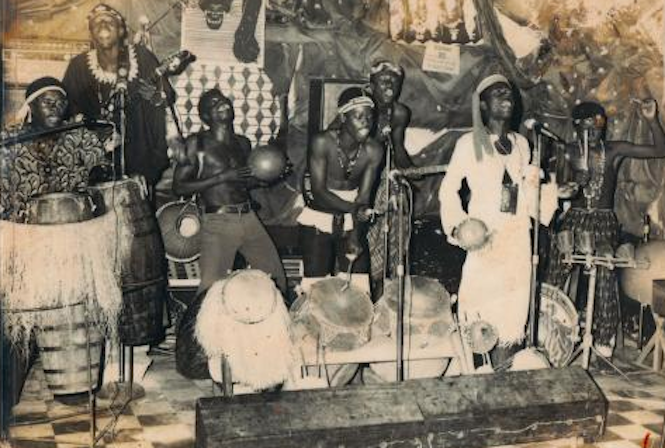
Today, we鈥檝e arrived in the age of viral stars like Teniola and Slimcase, and runs of dominance like Davido鈥檚 stellar 2017.
Nigerian music has risen to become the country鈥檚 most consistent export.
Various watershed moments have stood about between then and now.
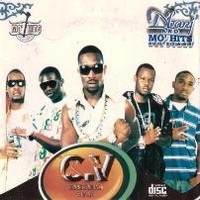
But if anyone鈥檚 asking when this phase of Nigerian Afro-pop began, you鈥檒l have to look no further than a decade ago, the year when a short black boy and a silver-tongued stoner initiated the beginning of a cycle.
2008 was the year when the old guard had the airwaves snatched from their hands with a brand of music that was heavy on simplicity and inimitable.

A decade since that passing of the baton, I鈥檝e been wondering, 鈥淲here are the artists who ushered in the age of Afro-pop?鈥�
听
M.I Abaga
For years, nay, decades, Nigerian hip-hop had been heavily inaccessible.
It was in a large part due to the lack of a popular middle ground.
Fans could either listen to a hybrid of gangsta and intellectual rap by cliques who were desperate to sound like their heroes in New York or a brand of amusing social commentary spearheaded by eLDee鈥檚 Trybesmen and most notably, Freestyle Essien.
M.I. changed all that with his debut album, 鈥淭alk About It鈥� and created a new template for rappers that is still followed till this day.
So Where’s Mr Abaga Today?
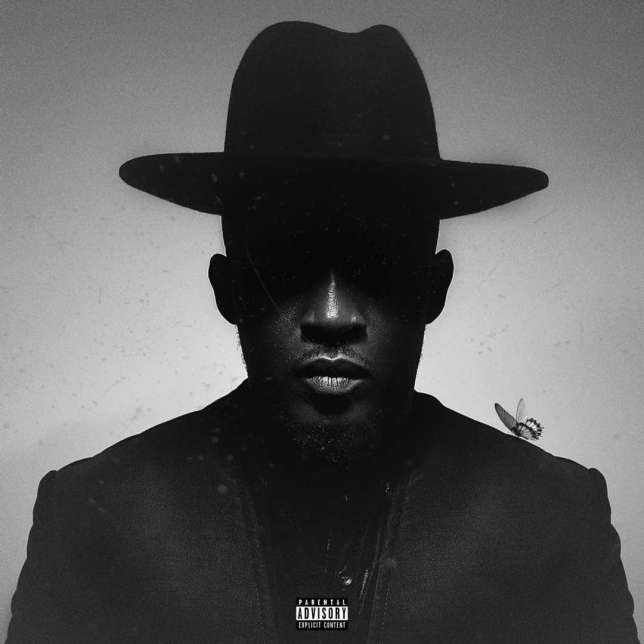
Five studio albums and three mixtapes later, one could say MI is on the other side of his time at the summit.
After being Africa鈥檚 number one for over half the decade, Mr Incredible says he鈥檚 now trying to revive Nigerian hip-hop and support a new set of rule-breakers at Chocolate City.
His most recent album, 鈥淵ung Dxnzl: A Study On Self-Worth鈥� may not have reached the heights of his previous work 鈥� but it represents where M.I. is now; a veteran looking within for what might have been and what could still be.
ASA
Asa鈥檚 classic self-titled album dropped a year earlier in 2007, but it was in 2008 that songs like Bibanke became anthems.
Asa was emo before we knew what the word meant; an eloquent soul songstress who told familiar stories in a tone that was not as familiar at the time.
In doing so, she opened the gates for other pop/soul acts and provided a formula to help them get Nigerians listening.
Nowadays, Asa Lives In France
The albums and videos come rarely nowadays.
One could say she has ascended to that self-imposed reclusive state that true artists do, and you would be right. We only see her in December for an annual concert 鈥� an experience that reminds us what we fell in love with a decade ago.
We just want her back.
There are fine, serviced flats in Banana Island.
NAETO C
Before Davido became the face of pop stars born into Nigeria鈥檚 upper class, Naeto C, son of a former Aviation minister introduced Nigeria to a new, smooth form of rap. From his diction to the subject matter and lines like 鈥渏aded view, you can鈥檛 record my flaws鈥�, it was as if Naeto C, was saying 鈥渘o be fight, we can actually make this rap thing classy鈥�.
Naeto used the freedom to be ambitious and aspirational in his music, and many more have since.
Without Naeto, there鈥檇 be no Cartier, Ghetto P, Yung6ix. The list goes on.
This One Is A Bit Hard. Mostly Because No-One Knows What Naeto Is Up To Nowadays.
The only MC with an MSc, until Lord V, enjoyed his best year in 2011. And there was no better sign that heaven put hand on top am than 鈥淪hare My Blessings鈥�.
Then Naeto turned his attention to family and business and left the public eye until 2015 when he dropped two albums.
But no-one was expecting anything from him so it really went unnoticed. And that鈥檚 where we are.
We could get an album tomorrow, although the man seems engrossed in daddy duties with his third child, Naeso. Nobody knows what to expect.
9ICE
What set 9ice apart from the rest of this class was that his primary medium was Yoruba 鈥� the language, the inherent sense of melody and the rich oral tradition.
9ice had been around for a while but in 2008, the stars lined up for the Coded Tunes frontman.
The result is an album, primarily sung in one language, that crossed regional and national borders and put 9ice on the same stage as U2 for a concert in celebration of Nelson Mandela.
Nigerians had made songs in local dialects for decades, but in a world that was gradually becoming smaller, 鈥淕ongo Aso鈥� redefined how Nigerian musicians portrayed their identity.
10 Years Later, 9ice Makes Do With Cult Status.
None of the works quite hit the creative and commercial heights that Gongo Aso did.
And while he鈥檚 one of the most prolific artists around 鈥� 9 albums in 12 years 鈥� quality has steadily been in short supply.
Yet 鈥淕ongo Aso鈥� is not so easily forgotten and he still enjoys the repute the album gave him 鈥� 9ice still makes music but it鈥檚 just not as nice anymore.
X-PROJECT
If there鈥檚 one song that can define the intensity with which indigenous dance music overran 2008, it鈥檚 鈥淟orile鈥�.
Little was known of the trio before they showed up in early 2008 with a hit that really shouldn鈥檛 have worked.
To start with, the song was noisy, it was entirely made in Yoruba and it was impossible to make any sense of what Konga, the featured guest, was saying.
Yet, it became a dance floor staple from my听street carnival to听Road Runners .听X-Project鈥檚 success validated a lot of underground musicians in Ebute Metta, Agege and all the Lagos鈥� suburbs where this sort of music had grown over years.
Lowkey, this is the reason 鈥榮haku-shaku鈥� has gone international, 鈥榮hepeteri鈥� is popular slang and Slimcase has a career.
If You Find X-Project, Please Call 08072769656.
We need help with this one. These men seem to have left the face of God鈥檚 green earth.
J.MARTINS
Prior to 2008, J.Martins was largely known as a producer from the East whose signature sound was a fast-paced take on highlife influenced by soca rhythms.
J. Martins brought that mix of Igbo and Brazil to bear on 鈥淕ood or Bad鈥� featuring frequent collaborators, P-Square and Timaya.
For all purposes, it was a pop song as evidenced in its wild popularity but layered within was a formula that adapted high-life music for the 21st century.
Highlife had finally found a place at popular music鈥檚 table. It wouldn鈥檛 be until 2017 that a Yoruba boy by way of Ghana would alter the formula.
Is J.Martins Still Tweaking Highlife in 2018?
Not exactly.
Some would give J. Martins credit for building a bridge between Anglophone and Francophone Africa. At a time when his peers were chasing Snoop Dogg, he was making his name alongside acts like Fally Ipupa and DJ Arafat.
Today, he鈥檚 more likely to be seen globe-trotting for his various side hustles. The odd song still comes out 鈥� like October鈥檚 鈥淥gologo Ndu鈥�.
It鈥檚 been a long time since he was living with P.Square and hoping for his big break. There鈥檚 no pressure now.
Honourable Mention: WIZKID
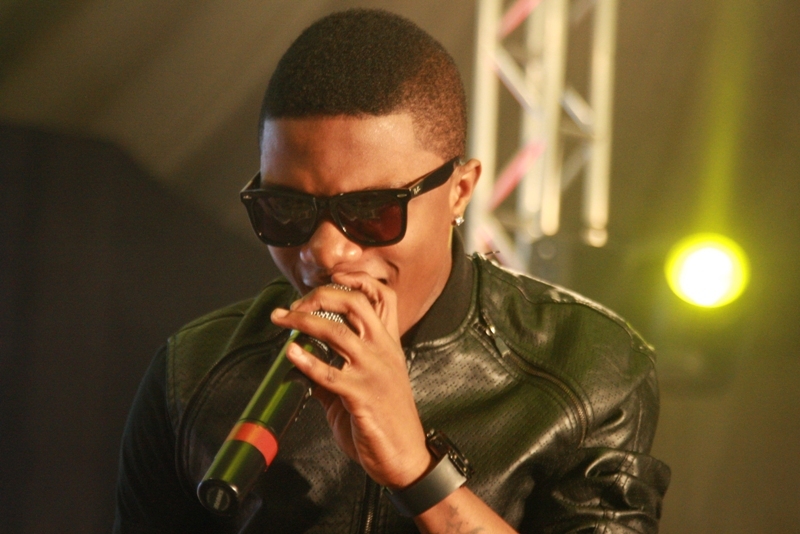
Wizkid didn鈥檛 drop his first single until 2010, and we had to wait till the next year for his debut album.
But if you鈥檙e looking to find when Nigeria鈥檚 most influential artiste of the last decade first announced himself, it was in 2008 on 鈥淔ast Money, Fast Cars鈥�, off MI鈥檚 debut, 鈥淭alk About It鈥�.
MI told me Wizkid recorded the verse off random freestyles, after taking a bike to his house following a phone call. It was a small taste of what was to come.
In the next three years, Wizkid would become the most-sought-after hook-master on the continent, define what it meant to be a wunderkind and break the ceiling for his peers.
Walking Runways In Dolce & Gabbana. Scoring a US No. 1 Hit As A Featured Act On Drake’s “One Dance”. Fronting For Brands Like Ciroc And Moschino.
Wizkid is still breaking ceilings.
For the first time since 2011, he may have genuine contenders for his position as the biggest musician in Nigeria.
But when the trends end, Wizkid鈥檚 legacy will be that he gave the rest a standard to meet, or at the least, aspire to.