Nnamdi Kanu, the leader of proscribed separatist group, the Indigenous People of Biafra (IPOB), has a cat and mouse history with the Nigerian government.
The British-Nigerian activist gained prominence when he launched Radio Biafra in the United Kingdom with which聽he spread his agenda calling for the breakaway of Biafra from Nigeria.
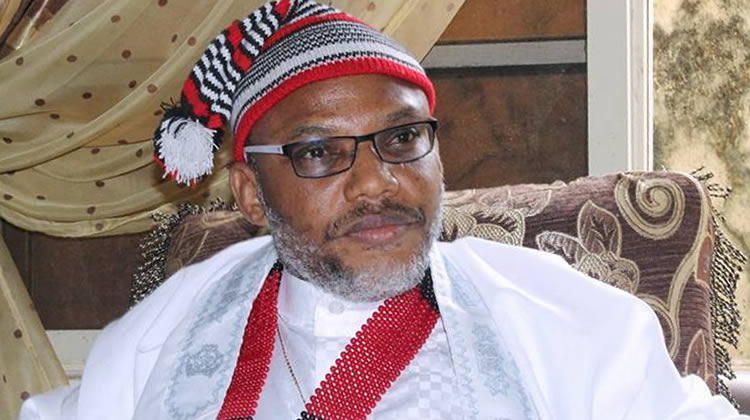
Nnamdi Kanu [Image source: Punch]
Kanu was first arrested in Lagos in October 2015. He was detained for over a year and a half despite court orders demanding his release. In April 2017, he was released on bail on health grounds.
However, he skipped bail and went abroad. He also went against another of the by granting interviews to champion the IPOB movement.
Road to his recent arrest
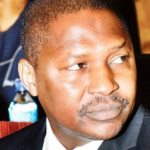
In June 2021, Kanu was to face trial on treason charges. The Attorney-General of the federation, Abubakar Malami, gave no details as to where he was arrested, except to say that it was the collaborative effort of Nigerian intelligence and security services.
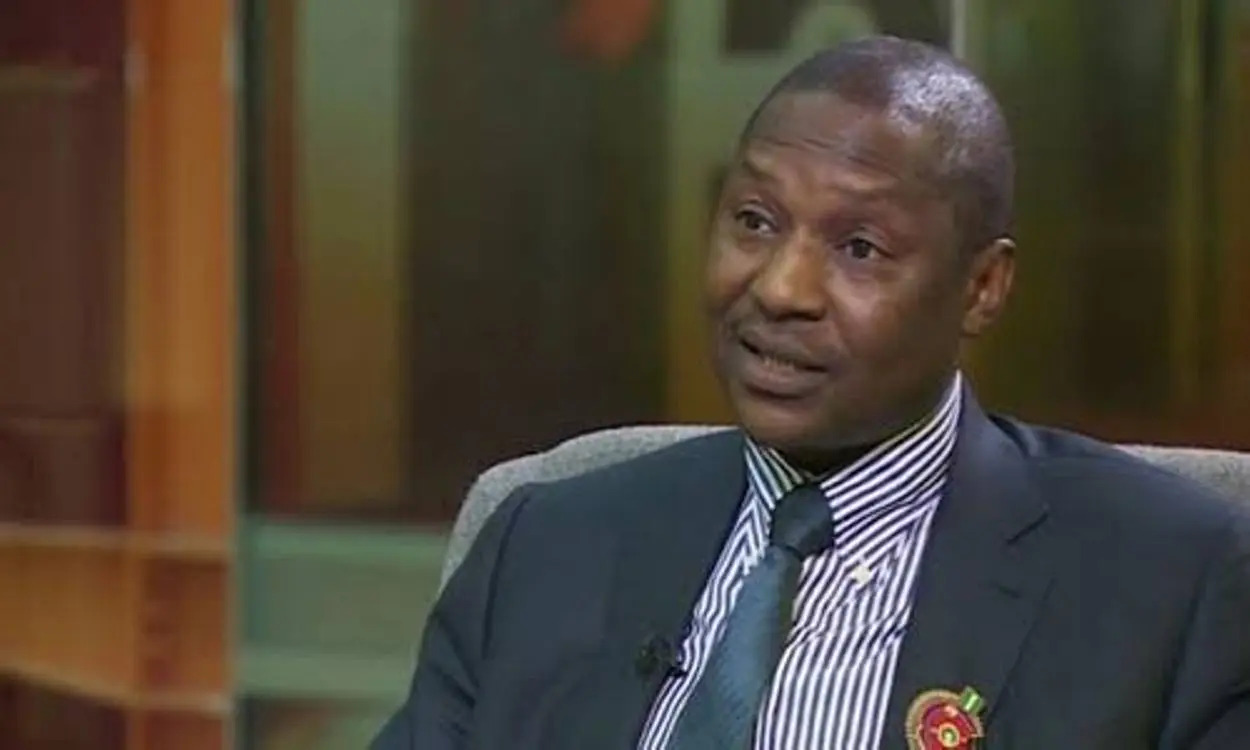
Abubakar Malami [Image source: Vanguard]
In April 2022, brought against him were struck out by the Federal High Court in Abuja. The federal government in May 2022, against Kanu and listed his lawyers as accomplices.
In July 2022, a group backed by the United Nations of Kanu from detention. Almost immediately, a northern coalition of 52 groups , underscoring the highly sensitive and political nature of the matter.
Recently, on October 14, 2022, an appeal court sitting in Abuja freed Kanu of all terrorism charges. It also and the payment of compensation of . The court noted that the federal government violated all known laws when it forcefully extradited Kanu. The extradition was done from Kenya to Nigeria for the continuation of his trial.
Why is Kanu still in custody?
The government said it would not release Kanu despite the court ruling. It said instead, it would and could institute other charges against him. He remains in the custody of the Department of State Services (DSS).
Malami, the Attorney General, said that although the basis upon which Kanu was freed was based on rendition 鈥� that is, the process of sending a suspected criminal to another country for interrogation 鈥� it was not, in his opinion, sufficient enough. He provided four reasons why the government couldn鈥檛 release him.
In , 鈥淚n arriving at a decision whether to release or not release (Kanu), one; you look at the rule of law, two; you look at the public and the national interest, three; you look at the security situation, four; you look at international diplomacy.鈥�
He argued that Kanu had jumped bail before and could not be trusted to not do so again. Malami also argued that his history suggests that he could incite people again after his release. He feared that he could use his influence to launch a foreign attack against Nigeria.
This is not the first time this is happening. In 2017 for instance, despite a court ruling ordering the release of Ibrahim El-Zakzaky, the leader of the Islamic Movement of Nigeria, the Nigerian government , stating that the continued detention was in the 鈥渟ecurity and public interest.鈥�
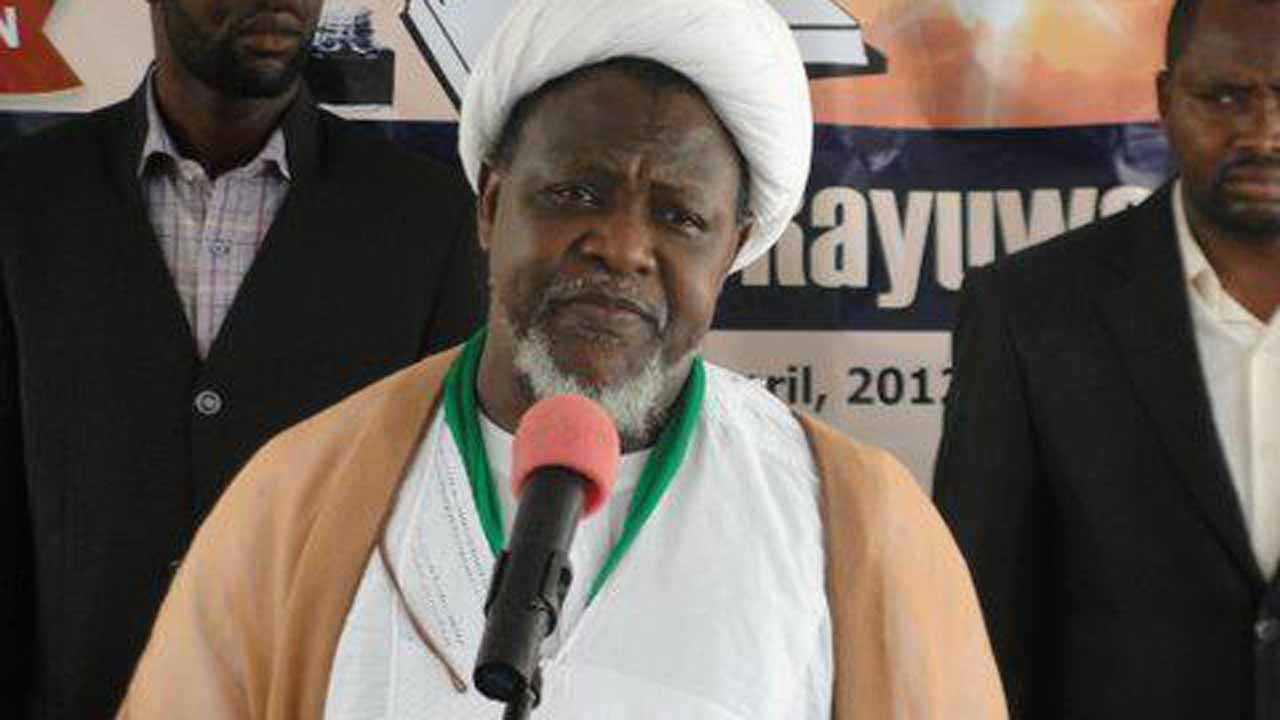
Ibrahim El-Zakzaky [Image source: Guardian]
Where does this leave Nnamdi Kanu?
His legal team has pleaded with the DSS to , following a court order.
It remains to be seen if they would comply.