There鈥檚 a common belief that misogyny is always silently lurking right outside the door of every Nigerian woman. And despite the rise of new-age feminism and increased awareness of women-focused issues, recent events keep reminding us that this belief isn鈥檛 a lie.
For many Nigerians, the idea that 鈥渁bortion is healthcare鈥� has always clashed with strong religious and moral beliefs, often leaving vulnerable women without real autonomy over their bodies. That risk might get even worse soon. On October 26, the Nigerian Senate started considering that proposes a 10-year jail term for abortion-related offences.
So, what exactly is this controversial bill about?
The Senate started its debate with promises of 鈥渦pdating鈥� Nigeria鈥檚 Criminal Code, but somehow, in the process, abortion rights got lost in translation.
At first glance, the Criminal Code Amendment Bill 2025 looks promising. It aims to increase penalties for sexual offences like defilement and assault 鈥� a move that signals progress. But the proposed amendment to the present abortion laws in the bill quickly derailed the initially progressive nature of the debate.
The present laws guiding abortion practices in the country state that if someone supplies drugs or instruments for abortion, they will be sentenced to up to three years in prison. However, the amendment proposes a stricter and much brutal sentence by pushing for an increment to ten years imprisonment without the option of a fine.
But the 鈥渘o nonsense鈥� approach of this amendment was not the only part that stirred up controversy and further debates; its vagueness also left room for questions, forcing some lawmakers to push for clarity on how the bill intends to define an 鈥渦nlawful abortion.鈥� If the bill gets passed without further modifications, even a medically necessary abortion could be punished. It offered no clarity, no safety net, just fear and controlled autonomy.
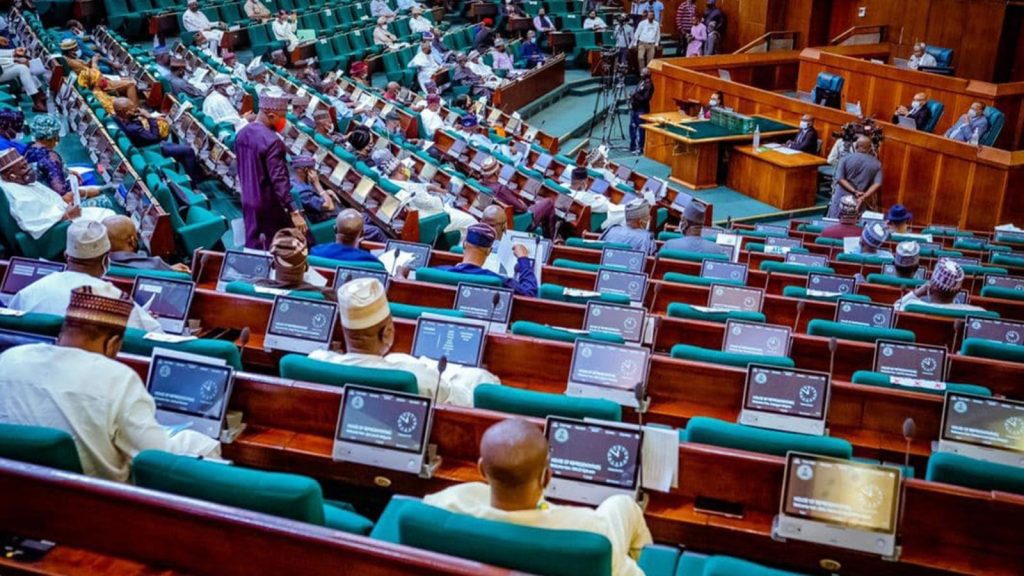
The lawmakers, who would often echo ayes at the end of similar debates, were split. Some argued abortion could save a woman鈥檚 life. Others said women often face unbearable circumstances, including economic hardship, rape, or health crises, which might necessitate terminating a pregnancy.
The chamber was in such a frenzy that Senate President Godswill Akpabio had to call a pause, though this is far from a full halt on the bill, as it has now been sent to the Committee on Judiciary, Human Rights, and Legal Matters for further review. In two weeks, the committee will report back, and the abortion clause could either be reshaped or deleted. Until then, Nigerian women are left waiting in uncertainty.
Why is this bad news for women?
Nigeria already has some of the strictest abortion laws in the world. For context, abortion is only allowed when a woman鈥檚 life is at risk. There鈥檚 no legal protection for survivors of rape, incest, or women who simply want to have a choice over their reproductive lives. This is why hundreds of thousands of unsafe abortions happen every year, contributing up t.
Women end up at quack clinics, take unsafe pills, risk infections, infertility, or death.
The amendment does nothing to fix the root causes, like the limited access to contraception, poor healthcare infrastructure, social stigma, and lack of sex education. Instead, it threatens to pile more punishment on women. Now, doctors might hesitate to provide life-saving care because they fear the possibility of a ten-year jail term, simply for aiding a patient. If this bill is successful, fear becomes the law, and in a country where unsafe abortions contribute to up to 15% of maternal deaths, this is more than just bad policy; it鈥檚 deadly.
It鈥檚 even more unfortunate that when the Senate had the chance to get a woman鈥檚 input from Senator Natasha Akpoti-Uduaghan, who pointed out that abortion directly affects women, she was shut down because Senate rules prevent reopening concluded debates.
What can Nigerians do?
This is where your action matters. There are concrete steps you can take to make your voice heard:
- Pressure your representatives. Flood their lines, emails, and social media with calls to protect women鈥檚 rights. Lawmakers listen when the people push. Find their contact details .
- Spread awareness. Talk about the bill with friends, share credible information online, and correct false narratives. Public scrutiny can stop lawmakers from passing harmful laws quietly.
- Support advocacy groups. Organisations fighting for sexual and reproductive health rights need volunteers, donations, and public attention. Stand with them.
- Demand legal clarity. Push for definitions that protect women and healthcare providers, not laws that punish them vaguely.
- Stay focused on the Senate committee. The next two weeks are critical. The louder Nigerians get, the harder it becomes for lawmakers to ignore.
At the end of the day, this isn鈥檛 just another bill. It鈥檚 a reminder that whenever Nigeria tries to move forward, there鈥檚 someone ready to drag women鈥檚 rights five steps back, and that cycle needs to be broken.