A lot can happen in a month 鈥� you could safely lose , read or make . And if you鈥檙e a Nigerian, one month is enough time for one socio-political group to endorse two different candidates for the 2023 presidential election.

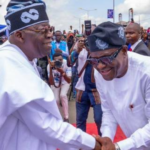
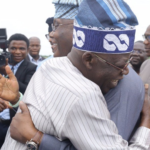
On October 30, 2022, Afenifere, a Yoruba group, endorsed the presidential candidate of the All Progressives Congress (APC), Bola Tinubu. A respected leader of the group, Pa Reuben Fasoranti, in Akure, Ondo State when the candidate visited him. But this wasn鈥檛 Afenifere鈥檚 first endorsement of a 2023 presidential election candidate.
On September 26, 2022, another Afenifere leader, Pa Ayo Adebanjo, behind the presidential candidate of the Labour Party (LP), Peter Obi.
What do the separate endorsements mean?
What鈥檚 clear from Afenifere鈥檚 endorsement competition is that the group is a house divided against itself. Just like political parties in Nigeria, Afenifere has factions that aren鈥檛 always in agreement.
Even though Fasoranti as the group鈥檚 leader for Adebanjo in 2021, they鈥檝e ended up on opposite ends of issues. In his , Adebanjo said the Obi endorsement is the real deal.
Do these endorsements really matter?
On one hand, politics is largely a game of numbers and interests which explains why politicians seek the support of individuals who hold influence over large groups of people. These individuals could be anyone from towering political figures to traditional rulers and religious leaders.
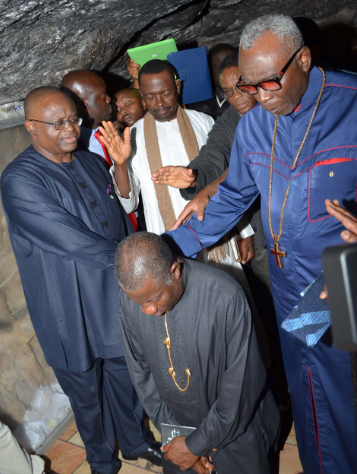
On the other hand, it鈥檚 difficult to measure the impact of these endorsements on elections in Nigeria. For example, former president, Olusegun Obasanjo, publicly endorsed Atiku Abubakar and described him as 鈥溾�� for the 2019 presidential election, but we all know how that ended.

Like the Afenifere, there are many more groups waiting to endorse candidates, whether organic or paid for. But the real question is how much do these endorsements affect real voters?
ALSO READ: One of These 18 Candidates Is Nigeria鈥檚 Next President