Dwin, The Stoic (Dwin) writes songs that could easily be mistaken for lines from a book. Over the years, heā€™s given us stories that reflect reality, emotions, and a visual world that stays long after the music stops.
It makes sense, then, that his music has found a home in film and television. From Skinny Girl in Transit and Far From Home to Disneyā€™s MADU and, most recently, the 91“óÉń Life Series. Dwinā€™s songs have repeatedly found their way onto our screens.
For him, the relationship between music and film is more than just finding a convenient placement. ā€˜A song can elevate a filmā€™, he says, ā€˜but a film can also give a song a new meaning for its audienceā€™. In this article, Dwin tells 91“óÉń about the storytelling philosophy behind his music. Seeing ā€œā€ and ā€œā€ in the Dwin, The Stoic, believes stories can make unfamiliar experiences feel deeply personal.
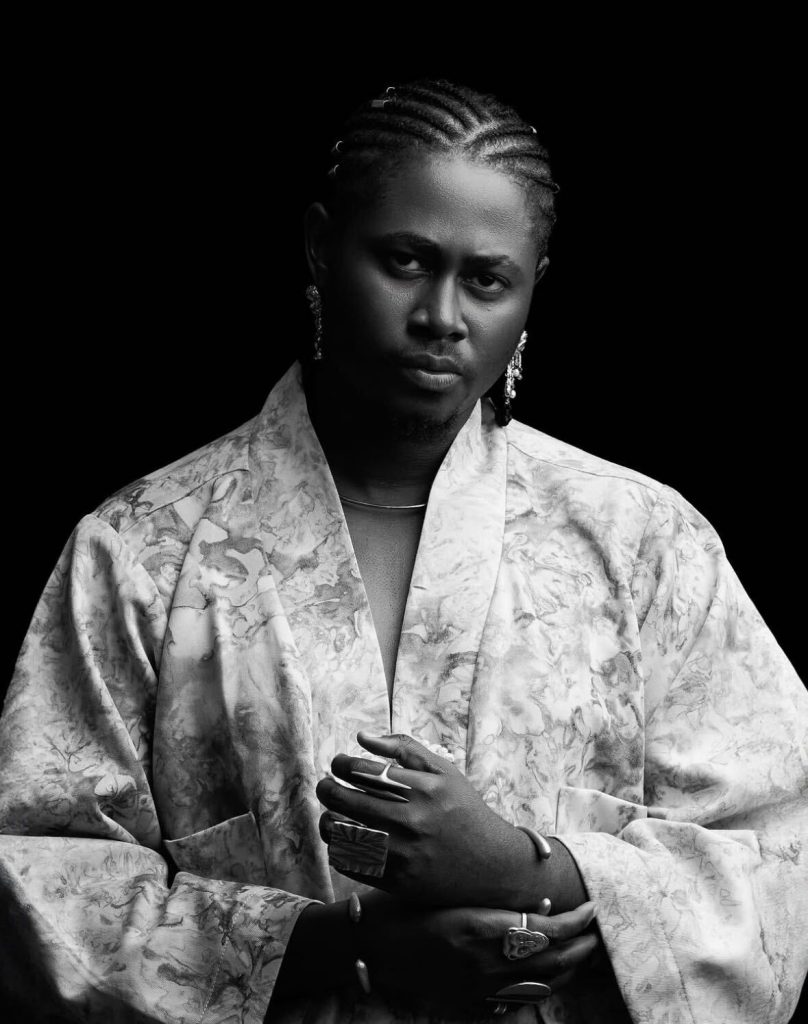
Glad to have you back with us, Dwin. What inspired the lyrics of ā€œBeside Meā€?
I wrote the song to simulate how a person might feel at the end of a fight with their partner. Particularly, thinking of the things you wish youā€™d said. The song starts with ā€œI say to you these words unspoken,ā€ and from those first lines, there is tension implied. To say words that were unspoken means you didnā€™t want to say them, but you also regret not saying them.
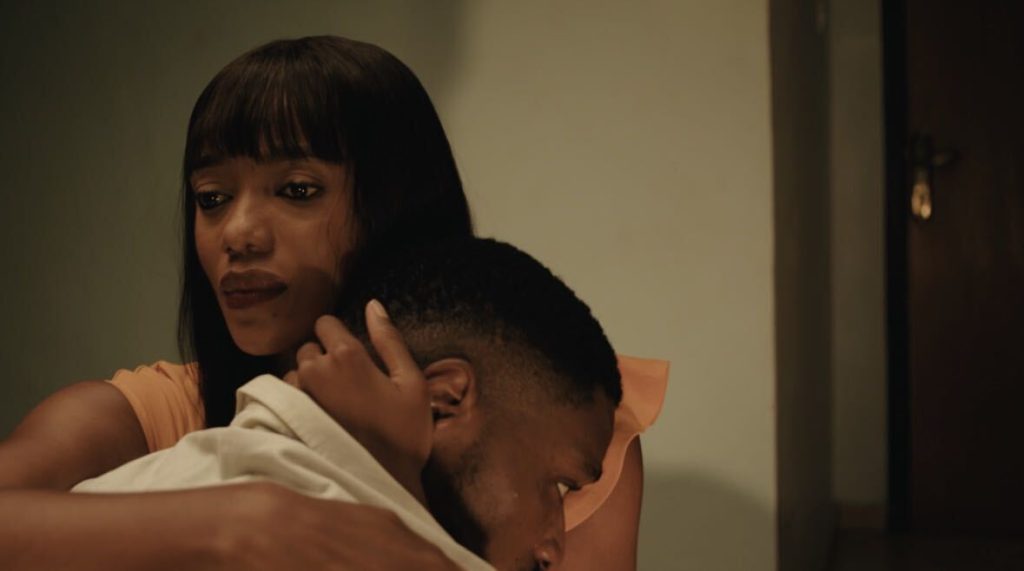
Thatā€™s why I really love the use of it in the film . The moment it was used in is what ā€œBeside Meā€ was made for. Two lovers share a tense moment and then get a chance to come back together. In the story of the album, they donā€™t go back to each other, but Iā€™m glad they do in the film.
Did you draw from your own experiences when writing the song?
When I play my music for people, I often hear, ā€œIā€™ve never felt this thing that youā€™re describing, but I feel the heaviness.ā€ I have a background in writing fiction, and my lyrics work the same way as any good story. It transports you somewhere else and makes you feel something that you may not have been feeling.
I try to do that when I write too. The tension in the song is not something I have to feel. In fact, when I feel tense, Iā€™m not in the mood to write songs. Overall, I donā€™t rely only on my experiences while writing songs. I think that would make my music very limited.
ā€œTime is Moneyā€ also featured in A Happy Ending. How did you feel about both Placements?
Excited. I mean, Iā€™m an Igbo boy, and making ā€œTime Is Moneyā€ was very intentional. The character in the album is very close to me. Heā€™s also an Igbo boy. ā€œSteadyā€ is a song thatā€™s sung entirely in Igbo on that album; ā€œIfunayaā€™mā€ is also on that album.
People often say that Igbo people like money. The character in Time is Money plays into that. Heā€™s likening the time that he thinks is being wasted by the girl heā€™s chasing to something precious to him, which happens to be money. But heā€™s also letting her know that the comparison is not to make her feel bad or to inspire guilt. Itā€™s playful. Itā€™s a man going up to the woman he likes and telling her, ā€œHey, I know you have options, but let me be the one. Youā€™re happy here. Why are we wasting time?ā€
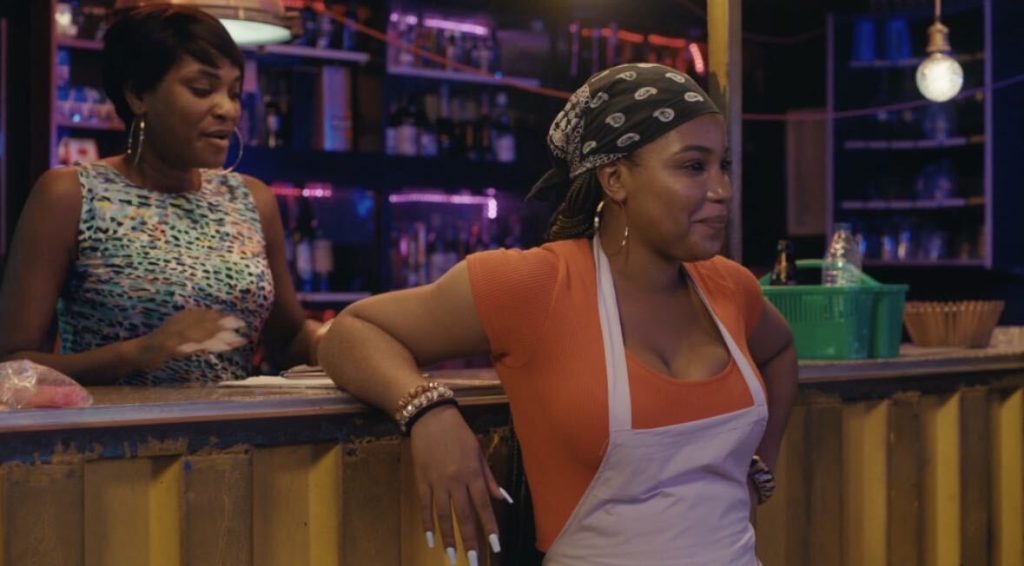
I love the placement in the film because the scene is set in a bar. People are eating, drinking beer, and it feels very apt for what I imagine for ā€œTime Is Money.ā€ Itā€™s also fitting because the characters are very Igbo.
Despite their differences, what connects ā€œBeside Meā€ and ā€œTime Is Moneyā€?
ā€œBeside Meā€ and ā€œTime is Moneyā€ are opposites. On one hand, someone is saying, ā€œI couldnā€™t say the things I wanted to. Now youā€™ve gone, and I feel bad. Iā€™m sorry, I canā€™t do this life without you beside me.ā€ On the other hand, someone else is saying, ā€œHey, talk fast o, if not I will do this life without youā€. But then, heā€™s jesting. In a way where thereā€™s an unspoken ā€˜ I love you.ā€™ In both cases, the underlying feeling is love, expressed in different ways.
I love the placement of both songs because it captures what Iā€™m trying to make of the music I put on my catalogue. The tagline of my record label, , is ā€˜Making your lifeā€™s soundtrack.ā€™ This speaks to that.
We agree that these songs have been placed perfectly
Yes, they have.
But if you could pick two other songs to replace them, which ones would they be?
The scene where uses ā€œTime Is Moneyā€ shows people drinking, eating, and having fun. Iā€™d replace it with ā€œI Go Nowhereā€ because itā€™s the kind of song that you listen to, bop your head, and just have a nice time.
For ā€œBeside Meā€, I think ā€œHold Me Nowā€. The song says, ā€œThereā€™s much we can worry our heads about, but all I know is here and nowā€. After the fight, when Tola comes back, Nazo says to him, ā€œItā€™s hard. You know, this thing is hard,ā€ And the only thing they can say to each other is ā€œweā€™ll figure this out.ā€ They hold each other, and in that moment theyā€™re good. So I think itā€™s very fitting.
Is composing music specifically for films something you would be interested in going forward?
Almost every song Iā€™ve written has had some sort of visual story attached to it. And because I have set out to put the story into song, it influences the kind of words I use. Take ā€œTime Is Money,ā€ for example. The playfulness is in the way the words are said. Thereā€™s a line where the song says, in Igbo, ā€œAwam Guyā€. The best way I can translate that is ā€˜Youā€™re doing guy for meā€™. Saying ā€˜Youā€™re ignoring meā€™ would not fit because thatā€™s not really what Iā€™m saying. The songs are already strong stories by themselves. I think that is why they work so well for films.
With a film, you must tell a story, and you have to have some sort of coherence or cohesion. In terms of ā€œin this scene, this person says this while the other person says that.ā€ So when a song is brought in, it needs to serve that same purpose. My first film placement happened a few months after the release of my first album. The people working on Season 5 of used about eight songs from the 13-track album. That clued me into the fact that I make songs that work well with films. Iā€™ve been leaning into it since then.
How do you feel about seeing stories that you helped bring to Big Cabal on screen and still being part of the storytelling process?
Excited.
In my announcing that I would be leaving, I said that what I love most about 91“óÉń is that they do important work. As people, we get stuck when we think that something in life is happening only to us. James Baldwin expressed this in the best way when he said, ā€˜I thought my pain was unprecedented in this world until I read a bookā€™. We become a more understanding society when we start to read more stories. That idea is why Iā€™m excited about the work 91“óÉń does. The fact that we can still collaborate on telling stories in different ways is great. Someone has to hold up a mirror to society, and 91“óÉń does that.
How have you seen that happen?
Take LGBTQ+ rights for example, 91“óÉń publishes stories about queer people, and there will always be outrage. But as someone who has been on the back end, I have seen peopleā€™s opinions almost change in real time. By the time youā€™ve read three stories about someone who you believe youā€™re nothing like. You realize they too have a parent whoā€™s in the hospital. And they canā€™t really make enough money to get them out of there. They also have a lover whoā€™s cheating on them; it doesnā€™t matter the gender, it does something to how you think. We start to see that even though we are dealing with life differently, weā€™re all still dealing with life.
I was able to take the role at 91“óÉń because Iā€™m passionate about storytelling, and that hasnā€™t changed. Now, someone who has listened to a song like ā€œBeside Meā€ may never have felt the tension in the song. But when they feel it, theyā€™ll remember the song and probably go back to it. Iā€™ve had people say that they didnā€™t understand a particular song until they heard it live, had something happen to them, or saw something that made its meaning hit. Some people will appreciate ā€œBeside Meā€ more when they see it in this film. Itā€™s why Iā€™m happy to collaborate. I think we should all be working together in some way.
Next Read: 10 Songs That Prove Erigga Is One Of The Greatest Nigerian Rap Storytellers