will be the first to admit it 鈥� he was late to the party.
After working shifts at call centres and bars in the UK, he started assisting photographers, artists, and filmmakers at the age of 26. Starting late meant there was a lot of catching up to do. So, he became indispensable. He made himself reliable. He worked hard.
In the beginning, he shared the work he helped make on his blog. But one of the creatives he was assisting saw the site and pulled him aside: 鈥淭hese aren鈥檛 your images,鈥� they said. It was a turning point. From that moment on, Davies committed to making his own work. First came the opportunity to direct a music video, then more followed.
Then came the pandemic 鈥� and with it, . A short film he directed, inspired by his childhood in Nigeria, Lizard was released in 2020 and quickly made waves. In 2021, it won the Grand Jury Prize for Short Film at the Sundance Film Festival, launching Davies into the global spotlight. That same year, it was nominated for the Best British Short Film at the British Academy of Film and Television Arts (BAFTA) Awards.
Now, his first feature film, My Father鈥檚 Shadow, written by his elder brother, Wale Davies (one half of the rap duo Show Dem Camp), is one of the Cannes Film Festival’s Un Certain Regard聽official selections, the first for a Nigerian film at the festival. It follows two sons who spend a day with their estranged father as Nigeria conducts its first democratic election after years of military rule in 1993. Sope Dirisu, the British-Nigerian actor famous for , plays the lead.
In this week鈥檚聽#MadeinNigeria, he opens up his secret for making successful arthouse films, why he calls himself a Nollywood filmmaker and what being selected for Cannes means for the future of Nigerian films.
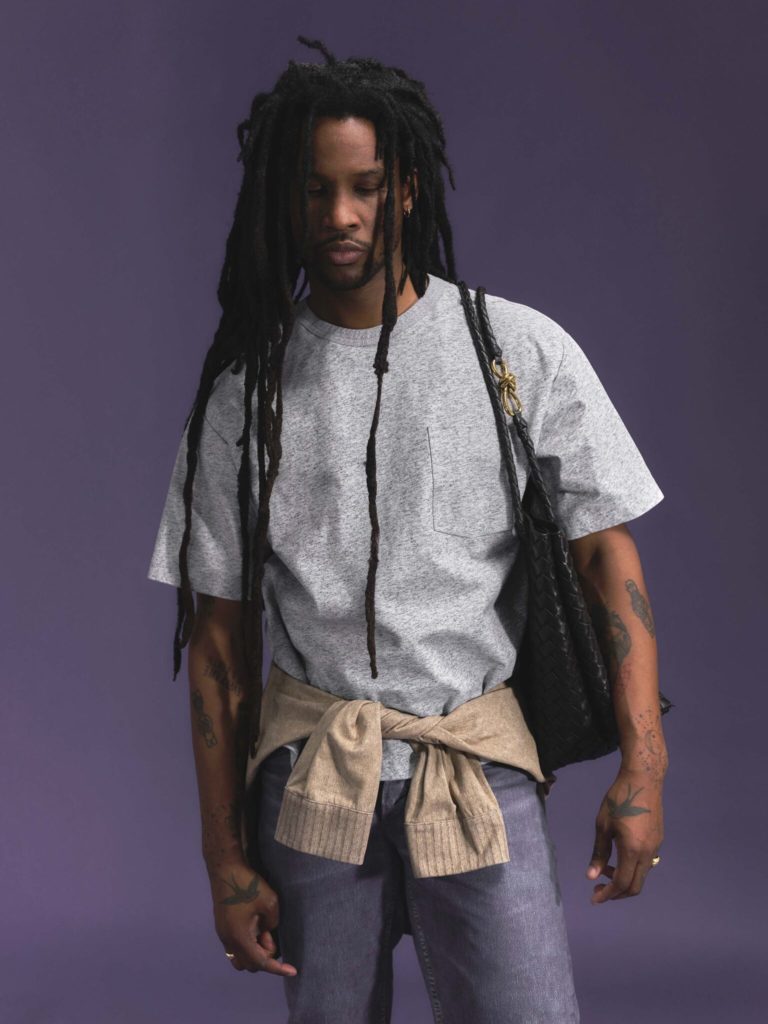
This interview has been edited for clarity and length.
Why did you decide to make My Father鈥檚 Shadow?
The genesis of how it came together was that my brother and I made a short film called Lizard in 2020, just before the pandemic. We were in lockdown when it went to Sundance, and it ended up winning an award. We knew we had a good film, but we didn鈥檛 know how well it would do.
When the time came to choose a feature-length project, I decided it had to be quite meaningful because I always approach things like they鈥檙e the last thing I鈥檒l make. I want to create things with a sense of urgency. My brother Wale had already written it as a short story, which eventually became the feature-length script鈥�In My Father鈥檚 Shadow鈥攁bout two boys spending the day with their estranged father.
We were unfortunate enough to lose our father quite early on. I was 20 months old, just shy of my second birthday, and Wale must have been four or five. It was this question that resonated with us: like, if we could spend a day with him, what would that entail? What would that relationship be like? How would we respond to him?
So a lot of our interests鈥攅ven similar to Lizard鈥攃ome from the psychology of what it is to be a Nigerian child, or even just an African child. A lot of the things that are maybe a bit more permissible in Europe or America鈥攊n terms of psychology, or how children are treated, or dealing with trauma or grief, or even just being on the spectrum, or having special needs鈥攁re things that I鈥檓 quite obsessed with, and my brother has an interest in too.
A lot of the work we think of or hope to make is just to be in service to our community.
When did you start to think of yourself as a storyteller?
Not till fairly recently鈥攕omewhere in the last nine years. I used to assist documentary and fashion photographers, some filmmakers too. I was like a camera operator, assistant producer, or doing production design, even helping out with the costume team. So I wasn鈥檛 necessarily anticipating that I鈥檇 become a director. I just wanted to work in film, but not necessarily in a role I was familiar with.
I guess from working with those creatives鈥攚atching their process, understanding what they do, what it鈥檚 like to be on set, speaking to clients, coming up with ideas, being collaborative鈥擨 just saw that, yeah, I can do this. I鈥檓 Nigerian, and part of our fabric is to be sociable. To engage with people and just be really communicative.
After a while, with the main people I used to assist, my voice started to grow louder. I became more vocal about what I thought we should be doing creatively. And I think, at that point, they just got fed up with this kid always trying to tell everybody what they should do. So they kind of encouraged me to go and try to make some stuff of my own.
I would put the work I鈥檇 made with them on my blog at the time. And I remember one of them seeing it and saying, “Realistically, that鈥檚 not your work. You were definitely part of the production, and you get a credit, but it鈥檚 a bit disingenuous to be putting that on your blog or website as your own. You should make your own stuff, and that way you can stand by it.”
That was around 2015, 2016, and that was when I realised I had the means to tell stories. I made a video for a Nigerian artist based in the UK at the time. I made her a sort of music video-type film, and from then on I just started getting more and more recommendations. The backend of creating that bit of work helped me realise that this is something I can actually do. And the way I pulled people together to make it happen made me say, yeah, I could probably be a director.
I didn鈥檛 start doing anything film-related until I was like 26. I used to work in service, in bars. I worked in retail, call centres鈥攋ust trying to make ends meet. I didn鈥檛 start my journey assisting until I was 26, at which point I already assumed I was pretty late to the game.
I was very focused. Whenever I鈥檇 assist someone, I鈥檇 end up becoming their main assistant because I knew I was late to the party. I was just really diligent about the work, and I made sure I was dependable. I didn鈥檛 really make excuses. Whatever they needed, I鈥檇 move hell or high water to be there.
How did you receive the comment from that person that you shouldn鈥檛 put their work on your blog?
At the time, I was a bit shocked because I obviously knew I was involved in those productions. That particular person鈥擨 mean, we didn鈥檛 really delegate roles as such, but he definitely came up with the idea. He was definitely the director. He edited it. I was just more like his assistant, just kind of helping him out. So I thought it was fine to put all those things on my website.
He said it in the nicest way possible, but he was just kind of like, 鈥淚t鈥檚 really my work. Because if people see it and they don鈥檛 go and read the details of what it is, they might just assume it鈥檚 yours. So it鈥檚 a bit disingenuous.鈥�
And I get it. I understand how people should be credited for their work. I agreed with him. But obviously, it pained me a bit鈥攂ecause I was like, if I remove all this stuff from my site, I鈥檓 not gonna have anything there. So like, 100%, it hurt my ego.
But it motivated me to go and make my own work. Because it鈥檚 very easy to hide behind somebody else鈥檚 work and say it鈥檚 yours, even though you鈥檙e a collaborator. But ultimately, the person coming up with the work, putting themselves out there, coming up with the creative鈥攖hat鈥檚 really the owner.
It wasn鈥檛 my favourite conversation. But it helped in the end.
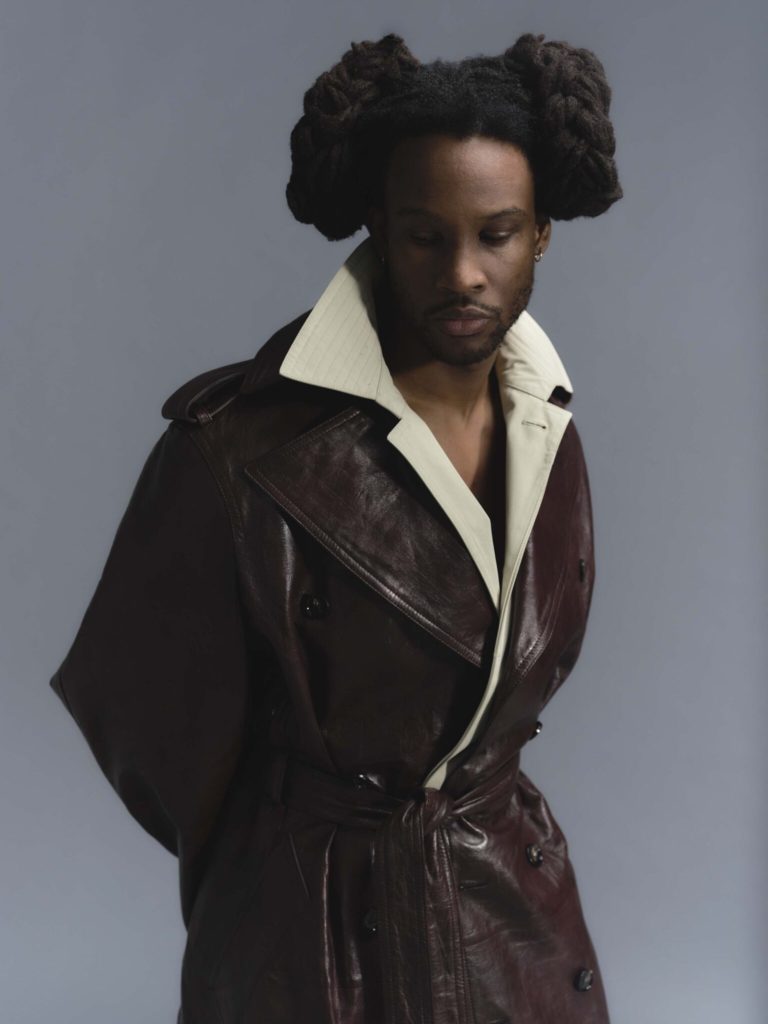
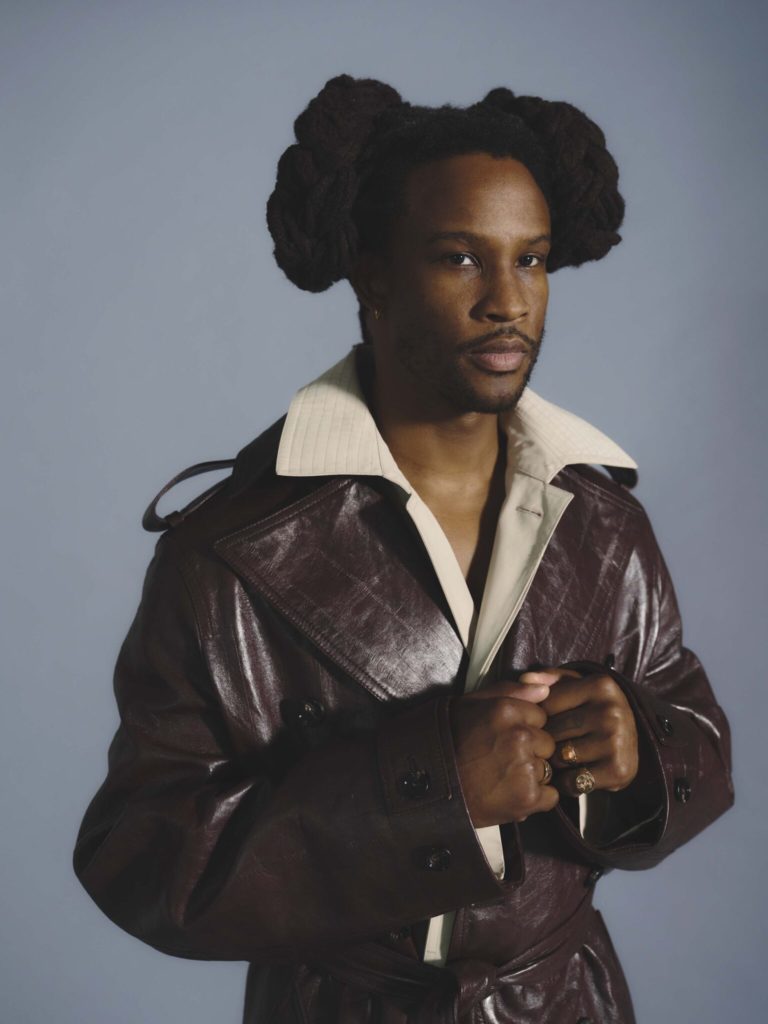
What’s In My Father鈥檚 Shadow about?
I can鈥檛 tell you what it鈥檚 about because it鈥檚 not out yet. But it鈥檚 ultimately about two young boys who spend a day with their father. He takes them on a day trip to Lagos, and they witness him dealing with life, trying to navigate things as an adult in that moment in time. There鈥檚 the aftermath of an election, and he has to get them back home.
It鈥檚 a story about nationhood, fatherhood, grief, and promises that were never delivered on. But it鈥檚 also about motherhood鈥攂ecause the way our fathers are positioned in our lives often comes from the commitment and steadfastness of our mothers.
It鈥檚 just a family film.
How does this film interrogate the father-son dynamic?
Ultimately, we just wanted to try and create the most honest portrayal of what it means to be a Nigerian man, especially in this period of time. Obviously, our character is this father figure, but we鈥檙e not trying to paint a perfect image of him. I don鈥檛 think anyone is perfect.
You grow up as a kid thinking your parents have all the answers, but realistically, they鈥檙e just kids who鈥檝e grown up as well. They make a lot of mistakes. They鈥檙e insecure. They don鈥檛 necessarily have all the answers. They鈥檙e also a product of their parents鈥攖heir nurture determines how they nurture you, and how you鈥檒l nurture your own children. All those things are connected.
I think being human is complex. Being Nigerian is even more complex. We鈥檙e not necessarily trying to glorify fatherhood鈥攚e鈥檙e just trying to give the audience an honest portrayal of a character within a story. It鈥檚 semi-autobiographical, but there鈥檚 a lot of creative license there. It鈥檚 not a like-for-like depiction of my father.
Being a man, especially coming from a traditional patriarchal society, might seem one-dimensional, but there are multiple dimensions to it. Even though Nigeria is quite patriarchal, my mother ran the household. At every gathering I went to, my aunt ran the household. The male presence was kind of authoritative, but also just in the background. I just hope that my film encompasses all of that.
ALSO READ: CJ Obasi on What he Really Thinks of Nollywood
What does it mean to be a man in the ’90s?
I can try to describe it within the context of the film. In 1993, Nigeria was in the throes of one of its first democratic elections at that point in time. And I think there was a lot of excitement鈥攑eople who loved their country probably thought this was going to be the catalyst for real change.
In the context of our film, it鈥檚 just a working-class man trying to do the best for his family, but also anticipating that change will come鈥攖hat it will provide him with the kind of infrastructure he needs to continue doing better for them.
Obviously, I wasn鈥檛 a man then, but I know that even now, being a man in Nigeria means you have to jump through a lot of hoops. For better or worse, the country is the way it is, and there鈥檚 just a lot of bureaucracy and systems in place that maybe seem a lot simpler in other environments.
Why is this film selected for the Cannes Film Festival important?
No one has seen the film yet, but when everybody does, they can answer that question for me. In the interim, what I will say is that it kind of contextualises the fact that our stories are important. We鈥檙e a country of multiple ethnic groups, and there鈥檚 something of interest in every corner of that. It kind of validates that.
As a filmmaker, I鈥檝e spent much of my adulthood in the UK, and I could鈥檝e gone down the route of telling Nigerian stories in the UK. But my first priority is telling stories about Nigeria and making work that reflects Nigeria. Because when I met people from around the world, they all wanted to come to Nigeria. They鈥檝e all heard of Nigeria. And I鈥檓 like, 鈥淣igeria is one of the most chaotic places in the world!鈥� But I don鈥檛 want to romanticise it鈥攊t鈥檚 just what makes us unique. We create in the chaos.
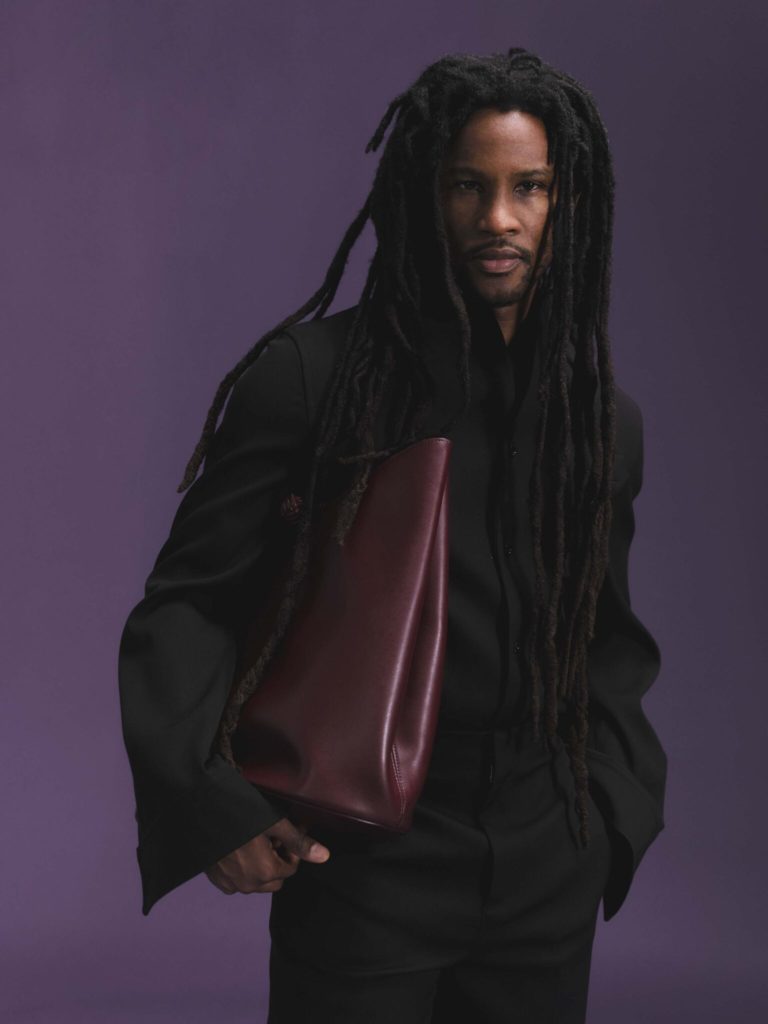
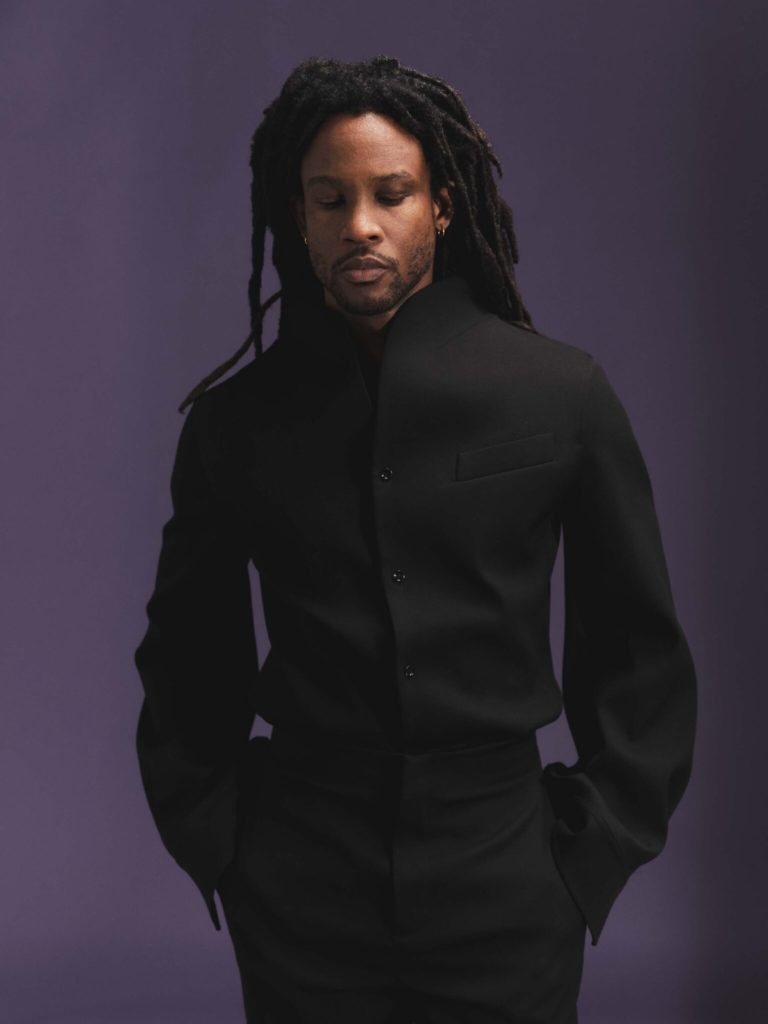
Against all odds, people are creating鈥攁nd that鈥檚 far deeper in our DNA. We are storytellers. We鈥檙e creative people, artisans, nurturers. We come from very astute, important cultures. I just feel like a lot of those stories have not been projected to the world in the way I鈥檇 like to see them. I want to keep those stories not just arthouse-oriented, but authentic to who we are.
I just hope it lets people know that our stories are important. It鈥檚 crucial to find a way to tell those stories that doesn鈥檛 rely on stereotypes or outsiders coming to tell them for us.
What was working with Sope Dirisu like?
I saw Sope in a movie called 鈥攊t鈥檚 on Netflix. It鈥檚 made by a director named Remi Weekes. It鈥檚 a really incredible film about the psychosis that happens through forced migration. I didn鈥檛 even know Sope was Nigerian when I saw the film鈥擨 just thought his performance was incredible.
I remember seeing Sope in a stage play years ago, and I just loved that play. Sope played Muhammad Ali. It used to be on my Instagram. It was one of the most electrifying theatre performances I had seen because it was all Black actors. They made a film out of it called One Night in Miami. When it came time to think of casting for our film, we were considering a lot of the guys we鈥檝e seen in Nigerian movies.
I think Gangs of London had just started, and I remember sending his picture to my brother and saying, 鈥淚 think this is our guy.鈥� We needed someone who could embody a particular stature, strength and sensibility鈥攋ust from the way they carry themselves鈥攁nd Sope was the guy.
I can鈥檛 give him enough credit because I haven鈥檛 made a feature film before. My idea was that I鈥檇 tell him what to do, he鈥檇 act, and everything would go well. But while making the film, I took in a lot of information and spoke to people all the time. I didn鈥檛 get to spend as much time with the cast as I had anticipated. Sope was acting with leads who hadn鈥檛 acted before, but every time I looked, he was literally fathering those boys, giving them advice, encouraging them. He was just being a father to them, which is not what I had anticipated.
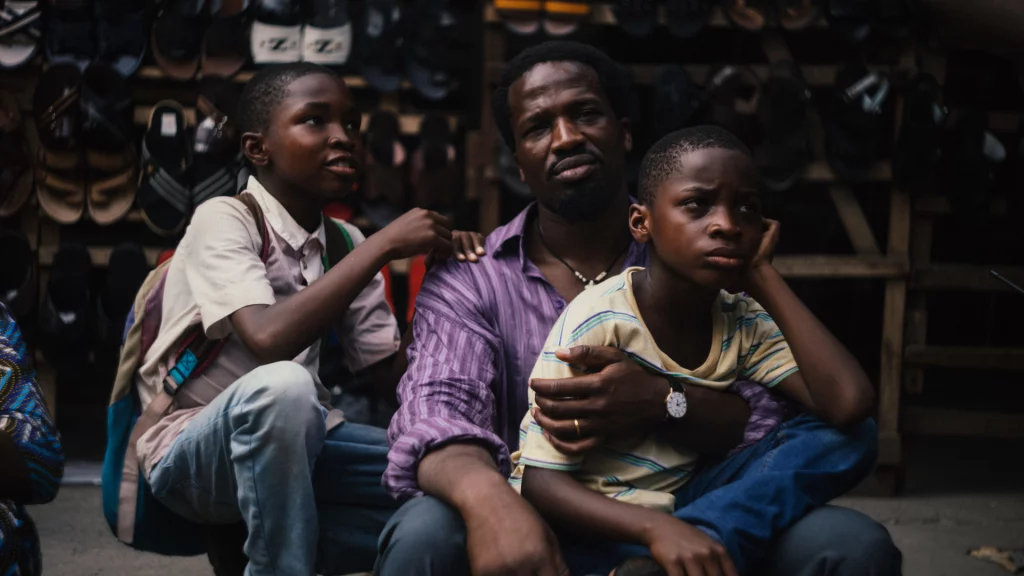
Is this a Nigerian film?
When you see it, you鈥檒l be able to tell me if it鈥檚 a Nigerian film. I mean, it鈥檚 shot in Lagos and Ibadan. Half of the film is in English, the other half is in Pidgin and Yoruba. About 80% of the crew are Nigerians working in Nollywood or making music videos. I鈥檓 Nigerian. I grew up in Nigeria until I was 13. I have a Nigerian passport. My brother鈥檚 Show Dem Camp is in Nigeria. He works and lives there. He wrote the film.
If you ask me, 鈥淚s it a Nigerian film?鈥� I鈥檒l say unequivocally, it can鈥檛 be anything but a Nigerian film. But if you鈥檙e asking me if the finances determine where the film is from, then 100%, we have people who believe in me as a storyteller, as someone who can communicate emotion and feeling onto the screen. They invested in me to tell the stories I want to tell.
That鈥檚 just the makeup of the films we watch. Whether you鈥檙e watching , , or Mati Diop鈥檚 , the way films are financed is international. And if Nigeria wants to consider itself part of an international community, that鈥檚 how some films might get financed. The process of filmmaking is collaborative, both in the actual act of filmmaking and in financing and development.
I鈥檓 sure there are better filmmakers than me in Chad, the Central African Republic, or Gabon who could probably tell better stories than I can. But if you鈥檙e not in a position to exploit the privileges that life has presented you with to make what you want to make, not many people might end up seeing that. So I鈥檓 really grateful to our collaborators.
Do you consider yourself a Nollywood filmmaker?
I do, quite honestly. Because Nollywood exists, that鈥檚 the delusion that gives me the right to believe I can be a filmmaker. If I鈥檇 never seen anybody from where I鈥檓 from make a film, it might have been harder to conceive the idea of making a film myself. 80% of our crew works in Nollywood on a daily basis.
We might not be considered the localised Nollywood, but I still feel like the arthouse film we鈥檙e making is similar to or Mami Wata (even though he doesn’t agree that he is a Nollywood filmmaker). We鈥檙e making arthouse Nollywood, and that doesn鈥檛 take away from what Nollywood is. I can鈥檛 borrow all the collaborators and then say, 鈥淭his is not Nollywood.鈥�
How does one make a Nigerian film that travels?
I can only talk about my own circumstances, which are unique to me. I have dual citizenship, so I have access to film funds and support, which, granted, might be different for others in Nigeria. Not everyone is on the same level playing field in film. But I think the foundation of everything comes from writing. If you鈥檙e a good writer, then there鈥檚 a chance to make a good short film, a good long-form, and a good TV show. Everyone needs to be ambitious in terms of their hopes and dreams. If you get through the quagmire of writing a good story and believe it can be shot, then you need to approach a production company like Fatherland. If they take a chance on you, you get the moment. Once you start getting money from people, you have to entertain their opinions. In some instances, maybe you just have to make that thing to be able to make the next thing. But it鈥檚 been really collaborative.聽
And I鈥檒l say there needs to be a certain understanding of what film festivals can do. I was like, 鈥淚 just want to put Lizard on YouTube.鈥� But my producer was like, 鈥淲e鈥檙e not going to do that. We鈥檙e going to go the film festival route because that will put you in front of other producers and companies interested in films for cinema purposes.鈥� There鈥檚 content creation, and then there鈥檚 cinema. People need to understand where their work fits. If I just put it on YouTube, it鈥檚 considered content creation.
You also have to study your industry and know who does what. I鈥檒l give you an example. made Lizard, and Potboiler made I only worked with Potboiler because they made Half of a Yellow Sun. I knew they had experience working with Nigerian filmmakers. hadn鈥檛 worked in Nigeria, but my producer, who made Lizard, Rachel Dargavel, had gone to Element, so it made sense to go with them. They had more resources, and they believed in her, and they really believed in what we were trying to do. She鈥檚 been to Nigeria.
I don鈥檛 want to bring Europeans who come to Nigeria with a sense of entitlement. I want someone who will work with us as equals and see our stories as just as important as any other story.
Does arthouse film have a future in Nigerian cinema?
I watched a Nigerian film at Berlinale two years ago, and the number of people who went to see that film was incredible. It was a fairly controversial topic in Nigeria鈥攁bout two guys potentially falling in love. The film is called . I鈥檇 say that is super arthouse鈥攙ery minimal, self-contained. I don鈥檛 know how they shot it in Nigeria, but the number of people who came to watch it was amazing.
I鈥檇 say that, just on that basis alone, arthouse cinema has a massive future in Nigeria. The difference between arthouse and commercial is that arthouse leans more into the art, trying to do something above your station. I鈥檓 not saying commercial films can鈥檛 do that, but commercial films tend to try to fit the needs of the status quo, whereas arthouse leans into the sentiment of what the artist is trying to convey. And in the Nigerian population, there are millions of artists.
How do you direct a film?
I want everybody to enjoy what they鈥檙e making and feel like they have the opportunity to voice their opinions, because I believe two heads are better than one. Also, as a man, I might not always see things from a woman鈥檚 point of view, so I really welcome everyone鈥檚 opinions to create a more rounded, fuller story. I鈥檓 very collaborative.
I try to take the burden of pressure off people by creating an environment that鈥檚 jovial and light-hearted. We鈥檙e not performing brain surgery; we鈥檙e telling stories, and I think we should enjoy the process. If people are enjoying what they鈥檙e making, it will show in the work. It鈥檚 all about being encouraging and finding middle ground.
There are things you want, but maybe the costume design hasn鈥檛 provided that yet, and you have to problem-solve. Being a director is about problem-solving. Some people find shouting effective; I don鈥檛. I鈥檝e never been in an environment where shouting brings out the best in people鈥攊t only creates fear.
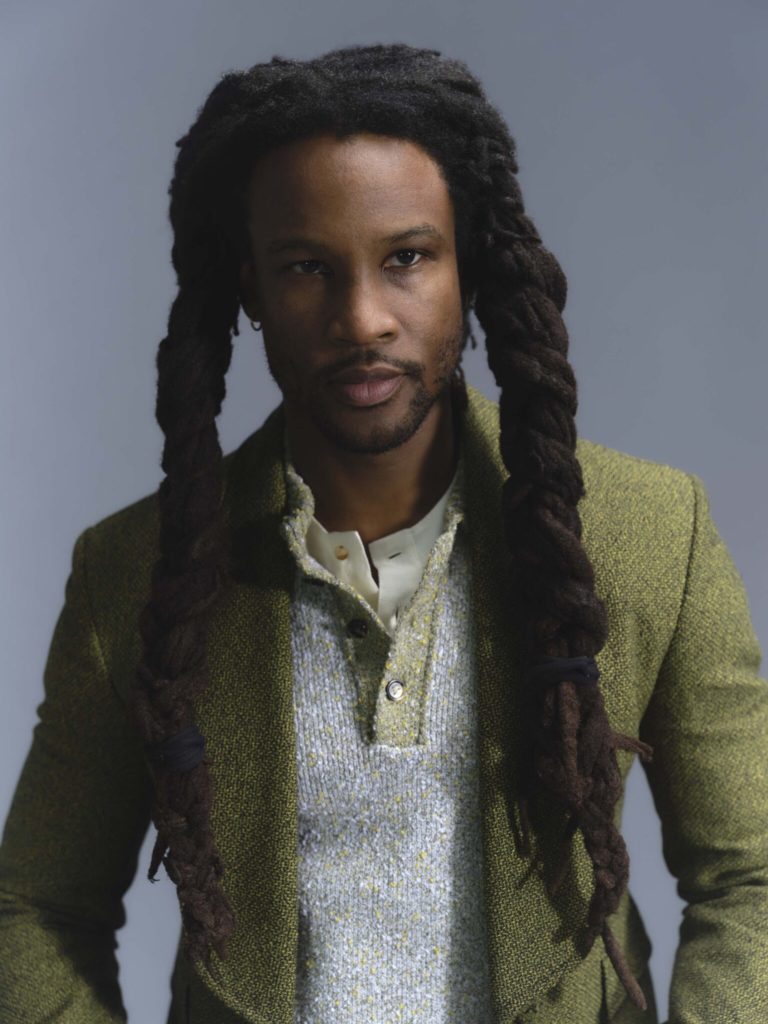
I believe I鈥檓 emotionally intelligent enough to understand when someone is struggling. I try to put my arm around them and figure out how to alleviate some of their feelings. That might come from my experience as an assistant. I鈥檓 very aware of my collaborators, their limitations, and what they鈥檙e dealing with. I still push them when I can, but I鈥檓 also realistic about what we鈥檙e trying to achieve.
There鈥檚 a saying that if you write a script and you manage to get 50% of what you鈥檝e written on the screen, that鈥檚 a success. I鈥檓 just trying to get that percentage higher and higher by being a soft dad, a supportive presence, knowing when to push and when to berate people if necessary. It鈥檚 all about being attentive to the needs of everyone you鈥檙e collaborating with.
What do you mean by berate people?
Sometimes, you have to really push people. I鈥檓 not someone who shouts all the time, but sometimes you need people to focus. If you set a precedent where everything is too cordial or jovial, it might come back to bite you.
One day, we were shooting on the beach in Tarkwa Bay. It was a hard day to shoot because, obviously, there鈥檚 no shade at Tarkwa, and we were trying to shoot some scenes in the water, but the waves were crashing, and it was a stressful situation. I was feeling a bit disheartened, and the crew was enjoying themselves a little too much. I was like, 鈥淕uys, we鈥檙e not getting our stuff together. We think we鈥檙e just on a jolly at the beach here.鈥� I was frustrated.
Afterwards, I spoke to the producers and said, 鈥淚t鈥檚 not working.鈥� And my producer just said, 鈥淪ometimes it鈥檚 not going to work. Let鈥檚 shoot the way you want to shoot, just to be safe.鈥� By the end of the day, we got everything we needed, but I was still upset. The next day, I had to push everyone. I remember a scene where my cameraman, a poor Jamaican guy, was running on sand, and I could see how exhausted he was. But I said, 鈥淟et鈥檚 go again.鈥� They were like, 鈥淲e鈥檝e got it,鈥� but I was like, 鈥淣o, let鈥檚 go again. We need to get the energy back up.鈥�
I don鈥檛 want us to feel like we鈥檙e just having fun, forgetting that we鈥檙e here for a purpose. I don鈥檛 shout at anyone, but sometimes you have to have those tough conversations. That鈥檚 what I mean by berating people.
How do you create?
I consume a lot of content from the internet. When I鈥檓 reading the script, I can tell you exactly what I see. When I鈥檓 moodboarding for a scene or doing the treatment, I鈥檓 always collecting images鈥攆olders and folders of images. It鈥檚 like when I鈥檓 making a music video, I鈥檒l just listen to the music and go through the folder, thinking, 鈥淭his image, this image.鈥� And then I鈥檒l make an edit, another edit, and I鈥檒l say, 鈥淭his best fits the mood of what I鈥檓 trying to create.鈥�
With features, it鈥檚 a bit different because I鈥檓 working with other people, so there鈥檚 a collaborative element to it. But it鈥檚 also just being observational. I鈥檓 very observational. We were doing a recce one day, looking at a location, and there was this guy playing with a puppet. And I said, 鈥淭his guy has to be in the film. He just has to.鈥� I couldn鈥檛 really tell you why, but we dressed him up, and he ended up being perfect for the scene.
I love nature and observing nature in Nigeria. There鈥檚 a scene in the film where they show logs being transported from the Lagoon to Makoko, and one day we just pulled up, and there were a lot of kids jumping into the water. I was like, 鈥淕uys, we need to film that.鈥� That鈥檚 why I love Nigeria and Lagos鈥攅verything is cinematic for me.
I just like to watch. I鈥檓 just so curious. I just want to know. My camera doesn鈥檛 need to do somersaults to be creative. I just point at something. The fact that I鈥檓 showing you that thing means I鈥檓 giving you a sense of levity. It might not be an important shot, but it might just be something subconscious that the viewer picks up on. Music is also a crucial thing for me. I鈥檓 obsessed with manipulating people鈥檚 emotions through sound design and music. That鈥檚 like my kink鈥攊f I had one. I just want you to watch the film and feel it in your body.
What鈥檚 your favourite Nollywood movie of all time?
Lionheart. It might sound like a cop-out, but I absolutely love Genevieve Nnaji. I love Lionheart. I also enjoy films like Osofia in London. I think Lionheart is special because, ultimately, it was a big moment for Nigerian cinema鈥攊t was going to be Nigeria鈥檚 entry into the Oscars. I watched it, and it鈥檚 a good story, not set in Lagos, dealing with family dynamics. If I had to pick, I鈥檇 say Lionheart. I鈥檇 love to collaborate with Genevieve one day.
Where do you see yourself in five years?
I just want to continue in my craft, doing what I love, and continue putting out work. Whatever is in God鈥檚 plan is where I鈥檒l be in five years. I hope to be with my loved ones, collaborating with the people I鈥檓 collaborating with, and telling more Nigerian stories.