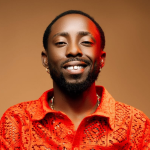
When the world first began watching , he was a different person.
Born in Anambra and raised in Abuja, he was a student and a dancer with dreams of becoming a star. But life, as he quickly learned, isn鈥檛 as easy to choreograph. While his passion for dance propelled him to viral fame, it also plunged him into a whirlwind of overnight celebrity, financial exploitation, and hard-earned lessons in trust and resilience.
This is the story of 鈥檚 evolution 鈥� from a shy, aspiring student to a digital superstar with over 7.3 million followers 鈥� and his fight to keep his voice and credibility intact.
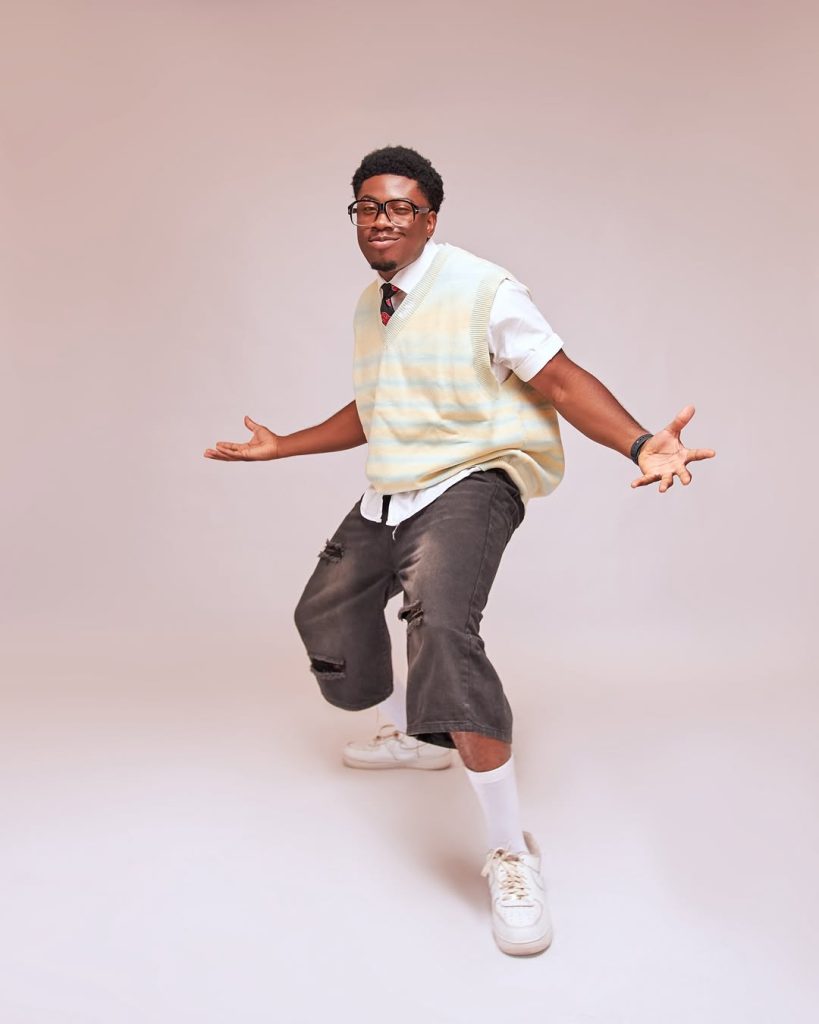
This is Rodney’s story as told to Marv.
The first time I realised my life was changing was back in 2021. I was walking through my neighbourhood on my way to buy bread for my family when, out of nowhere, a group of children recognised me.
鈥淩odney! Rodney! Ehh. He鈥檚 the one! Rodney!鈥� they shouted. I froze, caught off guard, as their voices echoed down the street.
I was in old, faded clothes and slippers, completely unprepared for that kind of attention. They wanted pictures, and I had no choice but to pose. That moment, as overwhelming as it was, planted a seed: people were noticing me, not just online, but in real life. It was exhilarating, but it also made me start paying attention to how I looked when going out, even if it was just to school.
Before TikTok, my life had been… just there. I was studying International Relations, coasting through classes I didn鈥檛 fully understand. Dance was mostly a hobby. I started back in secondary school and eventually joined a group called Dark Illusion, which, looking back, is a crazy name, but I thought it was cool at the time.
My friends always hailed me as a good dancer, and while I didn鈥檛 overthink it, I did have this Step Up-inspired fantasy where I鈥檇 show up at university, show off my dance skills, and somehow become famous.
But when I got to uni, I quickly realised how delusional I鈥檇 been. Adulthood hit me hard, and I had to hustle just to survive.
I kept dancing, but mostly as a way to pay small bills. I鈥檇 earn maybe 鈧�3,000 for a performance at a departmental pageant, a fresher鈥檚 party or some faculty event 鈥� just enough to cover some basic expenses.
I danced through 100 and 200 level, until COVID hit in the second semester of my 200 level, bringing everything to a standstill.
During the lockdown, I was stuck at my parents鈥� house on the outskirts of Abuja. With no events or parties happening, my focus shifted. Instead of performing live, I started pouring my energy into social media, posting more dance videos on Instagram and TikTok.
By the time I was returning to school, I already had some online recognition 鈥� around 300 thousand followers on Instagram and TikTok, though the latter had the biggest following. Back then, TikTok was still new, creators were few, and having a following made people assume you were a big deal.
But for me, it still felt small. I was posting out of boredom, mostly repurposing the same dance content I鈥檇 been sharing on Instagram. The growth was slow at first. My TikTok views were low compared to my following, and that鈥檚 when I realised that being on the app wasn鈥檛 enough. I needed to hop on trends and make quality content.
Then one skit changed everything. It was a funny take on African parents who don鈥檛 show romance despite having up to 10 children. It exploded to around 100,000 views. I was shocked and excited.
Before TikTok, I didn鈥檛 see myself as a funny person beyond my friend group. We鈥檇 troll and joke about situations, but it was all casual. TikTok gave me the confidence to really try comedy.
So, I started mixing in skits with my dance videos, and the audience responded more to the skits. So, I let my dance evolve and mix with comedy. I was still dancing, just in a goofy, funny way that fit my audience and even allowed me to reach more people.
READ NEXT: My Mother Is a CAC Prophetess. But After My Sister Died From a Spiritual Attack, I Left the Church
But shooting videos back then was rough for a while. We didn鈥檛 have Jamboxes, so the sound came straight from the phone as we recorded. I even had to borrow a friend鈥檚 phone just to make content.
Data was another struggle. I relied on night plans to upload videos and check engagement. Slowly, the effort started to pay off 鈥� I was gaining traction, making a bit of money online, and settling bills myself.
Still, growth was slower than I would have liked, mostly due to my camera quality. It matters more than people think. So, I saved up from the content and brand advertising gigs I got and borrowed a little from friends to get an iPhone 6.
The difference was almost immediate.
The first month using it, one of my videos blew up, hitting a million views in a week. Followers started growing exponentially, sometimes 100k a week, other times 100k in a day.
That鈥檚 when I knew this was not just fun anymore. This was now a business.
My popularity in school also exploded. Soon, I couldn鈥檛 walk around campus without someone secretly recording me to post on TikTok or freshers going crazy.
So, I started showing up only when I had strict lectures or exams. Thankfully, my classmates already knew me, so I could navigate without too much fuss. My friend group remained small and loyal, unaffected by my growing popularity. Others became acquaintances, riding the wave of my fame, but willing to help when needed.
Despite all that, I started questioning if I still needed school at all. But I had to push through. My parents never allowed me to rest, and that constant pressure, combined with my own determination, meant I couldn鈥檛 stop. I didn鈥檛 take breaks in the traditional sense, though I wasn鈥檛 present for all my lectures, especially in 400 level, where it was mostly project work.
The thought of quitting school never left my head, but I chose to see it through to the end. I got my degree.
Around this time, I began charging more for gigs. I furnished my space, bought better equipment and improved my content quality. My parents, especially my dad, were sceptical at first. But over time, he saw the money coming in, heard people talking about me, and even started watching my videos.
He eventually gave me his blessing, with one condition: that I chase my dream without compromising my morals. That blessing lit a fire in me. I went harder with my content, posting more, taking on bigger opportunities and getting recognition.
That was when I met my supposed manager. At first, he was just a loyal client who brought multiple gigs. Eventually, he positioned himself as someone who could help me grow.
When we met for the first time in Lagos in 2021, the only time we ever met, he claimed to have industry connections. At first, he seemed helpful. He secured a couple of gigs, and I thought, maybe this will be my big break.
But soon, the red flags emerged.
He was a free agent with no structure, so he started manipulating payments. If a brand paid him 鈧�2,000 naira for my service, he would tell me I only earned 鈧�100. And it was from that same 鈧�100, he would collect his 30% manager fee.
He was a manipulative gaslighter who pretended to care about my career while exploiting me. He presented himself almost as a big brother, giving me a false sense of security. There was one brand that supposedly hadn鈥檛 paid, yet I found out months later that they had. I had to reach out to them directly, only to be shown receipts. Over time, I realised I鈥檇 lost tens of millions of naira to his schemes.
During this period, I tried to branch into music. My first song, 鈥�,鈥� started as a parody video, but fans loved it, so I put it on streaming platforms. In early 2023, I considered releasing another track. My manager convinced me to host a listening party, promising it would boost streams.
I was hesitant about the cost, but he assured me it would be worth it. I ended up spending nearly ten million naira on the event. People showed up, but the experience exposed how disorganised everything was, and how badly I needed a proper team.
By first the quarter of 2023, I was broke, struggling to survive on the little I had left. I even had to reach out to brands myself, realising that he had been sabotaging my career. The revelation was devastating, but it pushed me to reclaim control. I confronted him, threatened to call him out publicly, and the next day, he blocked me. When I tried to travel to Lagos to see him, I found out that he had even left the country, leaving me completely on my own. Last time I heard about him, he was in China.
His actions didn鈥檛 just rob me financially, they threatened my credibility. Brands began reaching out with legal threats, and his explanations were vague, often non-existent. I had no choice but to clean up the mess he created. It was exhausting and infuriating. Yet, it also forced me to recognise my value and the importance of taking control of my career.
Recovering from that betrayal meant starting fresh. I posted online to declare that I was no longer affiliated with him. Transparency became my guiding principle. I joined a new team that was honest, professional, and structured, giving me the support I needed to rebuild. That fresh start helped me regain credibility, attract brands again, and focus on my craft without interference.
Looking back, the journey taught me resilience. It taught me to trust my instincts, to value my work, and to understand that even in moments of overwhelming visibility, control over your own career is paramount.
By the time I had my father鈥檚 blessing and started creating with confidence, I realised something crucial: the money, the followers, and the fame were just tools. The real victory was taking charge, refusing to be manipulated, and ensuring my creativity and hustle were respected and protected.