Genotype compatibility isn鈥檛 up for debate when it comes to Ibrahim鈥檚* choice of a life partner.
His decision comes after losing a cousin to sickle cell and coming to terms with the fact that he didn鈥檛 have to die.
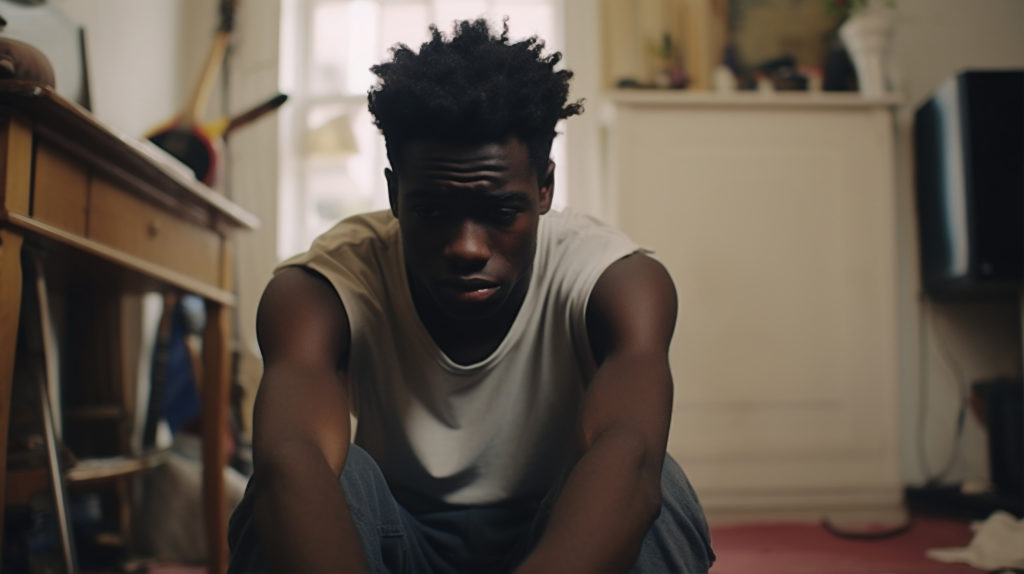
Image by Freepik
As Told to Adeyinka
My cousin and his mum moved in with us one weekend in 2004 and never left.
I remember that day clearly. My mum asked me to clean the guest room, which had become a storage room since we rarely had visitors. I was excited because I knew cleaning the room meant whoever was coming would be staying for a while.
After I finished cleaning, my mum disinfected the room. It smelled of detergent and Izal鈥� the kind of deep cleaning we never really did in the house, but I didn鈥檛 think much of it because the room needed it.
Dotun* arrived that day in a wheelchair, and I had no idea what was going on. He had a bandage around his arm, but he still seemed like the loud and chatty cousin who got on my nerves. His mum, my aunt, looked worried and exhausted, and my mum was giving orders left and right.
They left us to settle in, and I overheard my aunt crying in my mum鈥檚 room. My mum was comforting her, but I didn鈥檛 know why. It confirmed my earlier suspicion that something was up.
At first, everything seemed normal. It was nice having family around, especially a cousin my age. But I started noticing that everyone treated Dotun like an egg. There was also a lot of yelling and constant checking up on him from my mum and aunt.
He wore fancy cardigans and socks when the weather was cold, didn鈥檛 do any chores in the house, and always got whatever he wanted. The funny thing is, it wasn鈥檛 just my aunt who treated him that way. Even my mum, who usually put me first, treated him like he was more important.
Soon, I got jealous and started withdrawing from Dotun. It was clear that something had changed in how I interacted with him鈥擨 snapped a lot and spent hours keeping to myself.
My mum must have noticed the switch because she sat me down one day and asked why I鈥檇 been acting like that. When she realised she wasn鈥檛 going to get any other response than 鈥渘othing鈥�, she went on to explain that my cousin had sickle cell disorder, a condition that meant he might not live long.聽
I didn鈥檛 take her seriously at the time because I assumed it was just an excuse to justify Dotun’s special treatment. The cousin in question had long gotten out of the wheelchair and was five times more energetic than I was in the house. So, it didn鈥檛 make sense to me.
I asked my mum when my aunt and cousin would leave, and she said they鈥檇 be staying with us 鈥渇or now鈥�. She never explained why, but years later, I discovered it was because my aunt had divorced.
A month later, my mum and aunt arranged for my cousin to join me in school. We were both in JSS2, and I was always excited to show him off as my “brother鈥�. Even though I still felt the way I did, he was my cousin with whom I enjoyed spending time. Going to school together meant we were free from our parents, who treated one person better than the other. Plus, he was handsome, and it was the nicest feeling whenever people commented about how we looked alike.
One morning, about three months after we鈥檇 all been living together, we woke up to screams from Dotun鈥檚 room. I rushed in to find him writhing in pain, with my mum and aunt both looking distraught. His eyes looked like they would pop out, and he was flailing his arms and legs. My aunt kept muttering 鈥渃risis鈥� while my mum made arrangements to get him to the hospital.
Our morning routine, which involved having breakfast, watching some minutes of TV and waiting for my mum, was disrupted. My mum left with my aunt and cousin while they sent me to school with a neighbour.
I went to school that morning feeling an equal mix of anger and betrayal at my cousin for being dramatic and stealing all the attention. I was also mad at my mum for leaving me behind. I only continued in school with the hope that everything would return to normal when I returned to the house.
When I got home, no one was there. It wasn鈥檛 strange, but it was disappointing considering how I鈥檇 left in the morning. When no one was home like that, we always stayed at my neighbour鈥檚 place, so I went there. Hours later, my mum returned with my aunt and some relatives, but there was no sign of my cousin. They all looked gloomy and withdrawn, and my aunt kept making these loud, sudden cries. When I asked about my cousin, my mum said he was still in the hospital.
I didn鈥檛 know it then, but my cousin died that morning. It wasn鈥檛 until the eighth-day prayer that I found out the truth.
Even though it鈥檚 been 19 years, I still feel tight-chested when I think about that morning. After my mum finally broke the news, I started crying. To be honest, I don鈥檛 think I fully understood why I was crying鈥攊t just seemed like the natural thing to do.
It took me about four years from Dotun鈥檚 demise to understand the loss and, more importantly, the reason for it. I remember taking a biology class much later in senior secondary school, and that was when I connected the dots. My cousin wouldn鈥檛 have died if my aunt and her husband had compatible genotypes.
I was angry, and I confronted my aunt about it. I remember clearly that my mum didn鈥檛 like that, even though my aunt spent the rest of her years drumming it into my ears that I shouldn鈥檛 make the same mistake.
My aunt stayed with us until she died in 2018, and she never had another child.
Looking back, I realise that all the things I thought were special treatment for my cousin were actually coping mechanisms to keep him alive. No one should go through that pain. That鈥檚 why genotype compatibility is so important to me now.
Until I understood what led to my cousin鈥檚 death, I鈥檇 always assumed love was the most important thing when people decide to start a family. As I grow older, I鈥檝e learnt that so many other things matter, and on top of that list for me is knowing that I did what I could to prevent my kids from a lifetime of pills, hospital visits and untimely death. I never want to relive that experience again.
Read this next: People Judge Our Relationship By His Sickle Cell Disorder