On October 27, 2022, Fitch Solutions, a subsidiary of international credit rating agency, Fitch Ratings, released a Country Risk and Industry Research report that for Bola Ahmed Tinubu (BAT) of the All Progressives Congress (APC).
As you can be sure, supporters of the BAT with uncontrolled joy. For them it was an affirmation of what they already knew, that it was his turn.
Predictably, the Peoples Democratic Party (PDP) and Labour Party (LP) have rejected . But this isn鈥檛 the first time a report or poll has called the result of the 2023 election. , a poll commissioned by ANAP foundation projected LP鈥檚 Peter Obi as the winner of the election.
The trend of different polls projecting different winners has led to broader questions about if they really matter. Just as we recently looked into whether endorsements have any effect on election outcomes, we will dive into whether opinion polls matter in the context of Nigerian presidential elections.

Why are polls conducted?
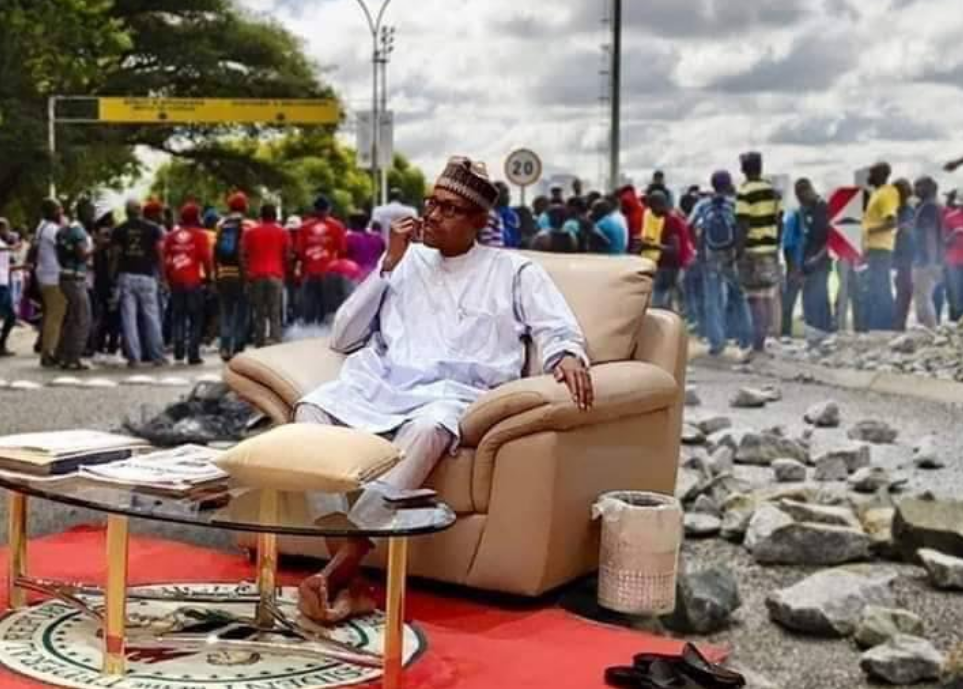
Despite the common trope that Nigerian politicians don鈥檛 care about the masses, they actually care about what they think when it鈥檚 time for elections. It鈥檚 only when they鈥檙e in office they can start unlooking us, just like Buhari has made abundantly clear.
Politicians conduct opinion polls to gauge public support. This also helps them identify the leading issues that drive campaigns. They鈥檙e also a standard in robust democracies like the United States and are a hallmark of a free society.
Opinion polls can have usefulness even outside elections, like in determining approval ratings which show how well or badly the public responds to a political figure. For example in the lead-up to the 2015 elections, Goodluck Jonathan’s approval rating which ultimately affected his chances.

We know polls are a big deal in first-world democracies like the United States, but how reliable is polling for Nigerian elections?
How effective was polling in Nigeria in 2011?
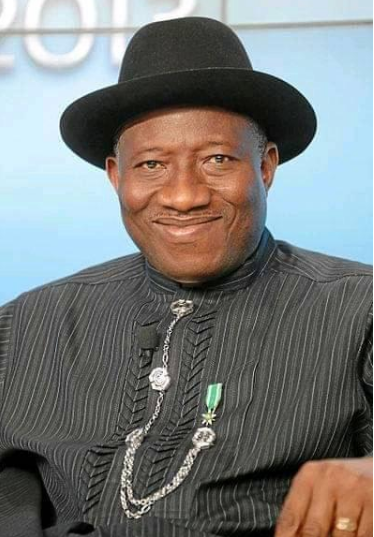
In February 2011, the ANAP Foundation, a non-profit organisation, commissioned the polling agency, NOI polls, to conduct a face-to-face presidential poll nationwide. The showed that 93% of people knew Goodluck Jonathan was running for president, 73% knew Muhammadu Buhari was running and 48% knew that Nuhu Ribadu was running. 53% of those surveyed believed Jonathan would win.
The result of the election followed the exact order of the poll 鈥� Jonathan won and Buhari and Ribadu finished second and third respectively.
How effective was polling in Nigeria in 2015?
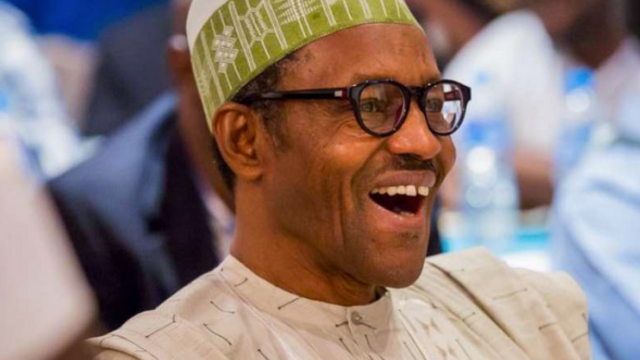
NOI Polls conducted another survey for the 2015 presidential election and concluded it was . Buhari topped that poll with 32% of respondents handing him victory, slightly ahead of Jonathan with 30%. The agency had also reported that fell to 55% in January 2015.
Just like the polls results showed, Buhari won the election and became the first opposition candidate to unseat an incumbent Nigerian president.
How effective was polling in Nigeria in 2019?
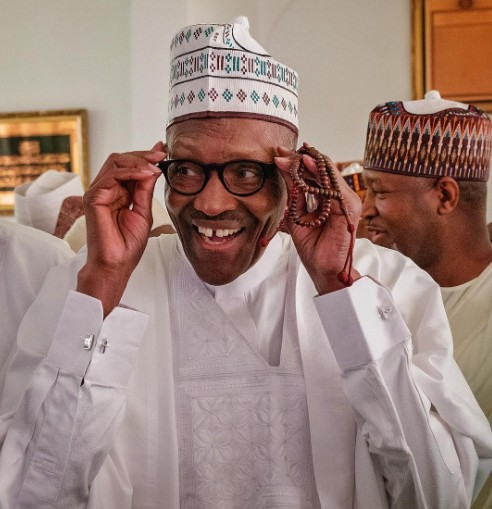
In February 2019, NOI polls . He won the poll with roughly 33% of votes, while Atiku ended up with 25% with the population of undecided voters as high as 38%. While Buhari was expected to win, the poll noted that the margin of undecided voters could swing results in Atiku鈥檚 favour.
The results of the 2019 election largely aligned with the poll, with voter apathy playing a huge part in Buhari鈥檚 re-election. Only about 35% of voters took part, the .
How effective will polling be in 2023?
If the history of polling in Nigeria is anything to go by, pollsters can be quite reliable. Part of their efficiency also comes from timing 鈥� all the polls were conducted very close to the elections. That should probably tell you all you need to know about all the polling reports flying about almost four months to D-Day.
Ultimately, while party supporters may feel relaxed about polls that predict victories for their candidates now, there’s still lots of time for the wind to change before February 2023.
ALSO READ: One of These 18 Candidates Is Nigeria鈥檚 Next President